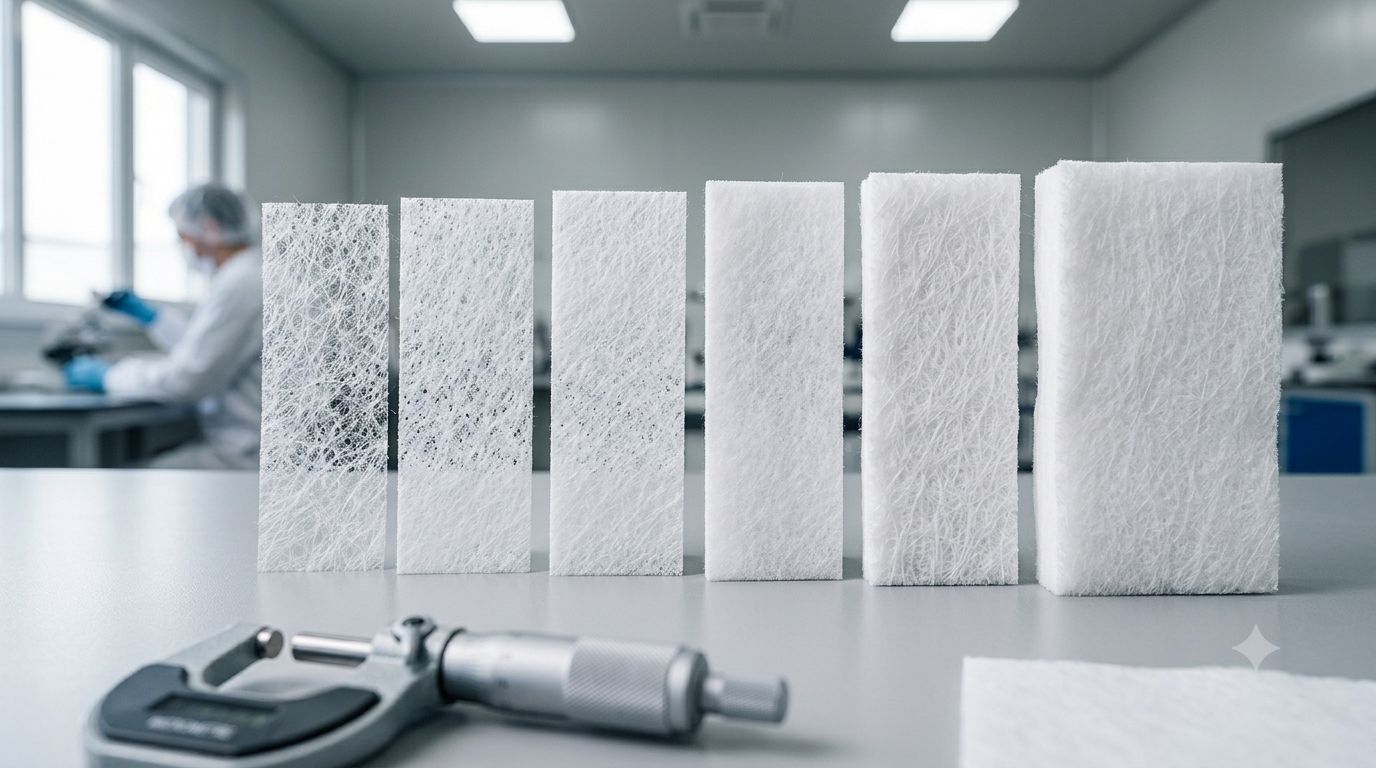
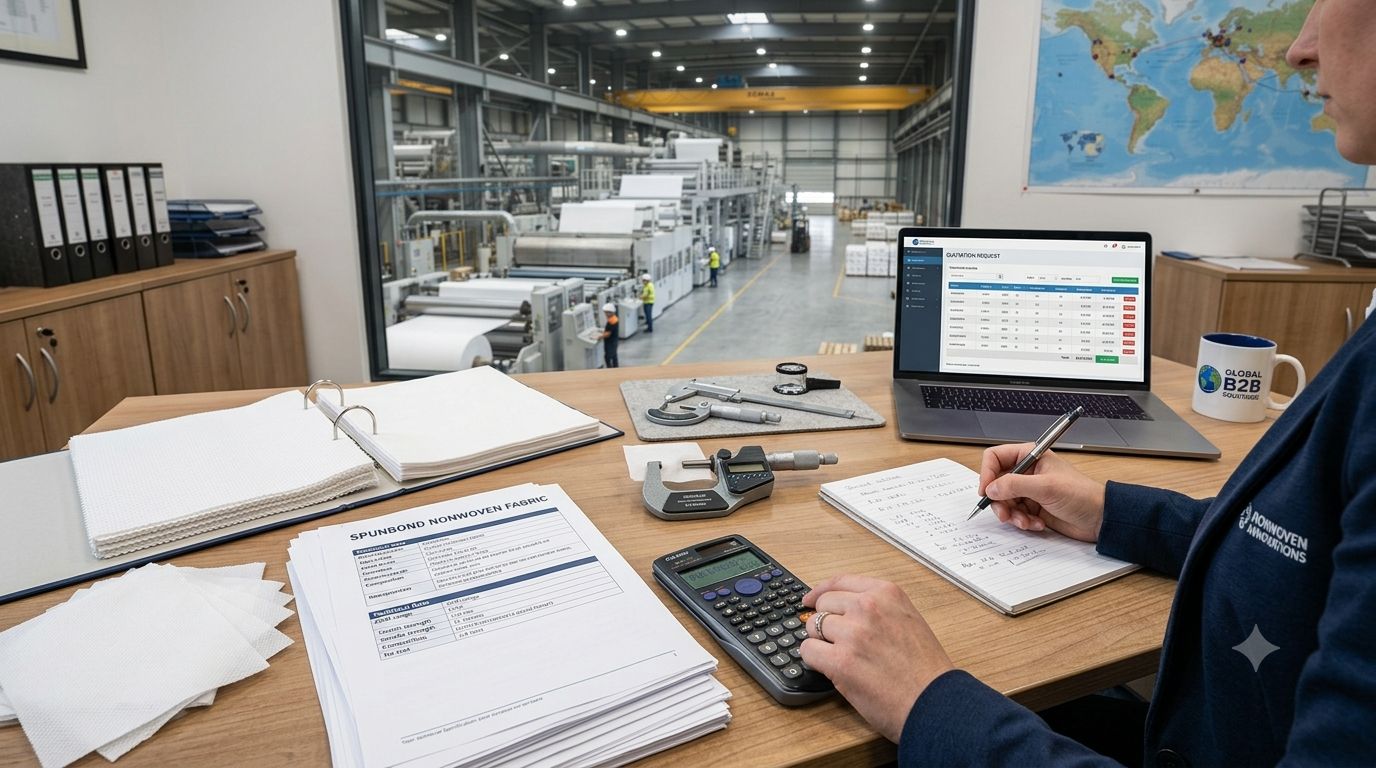
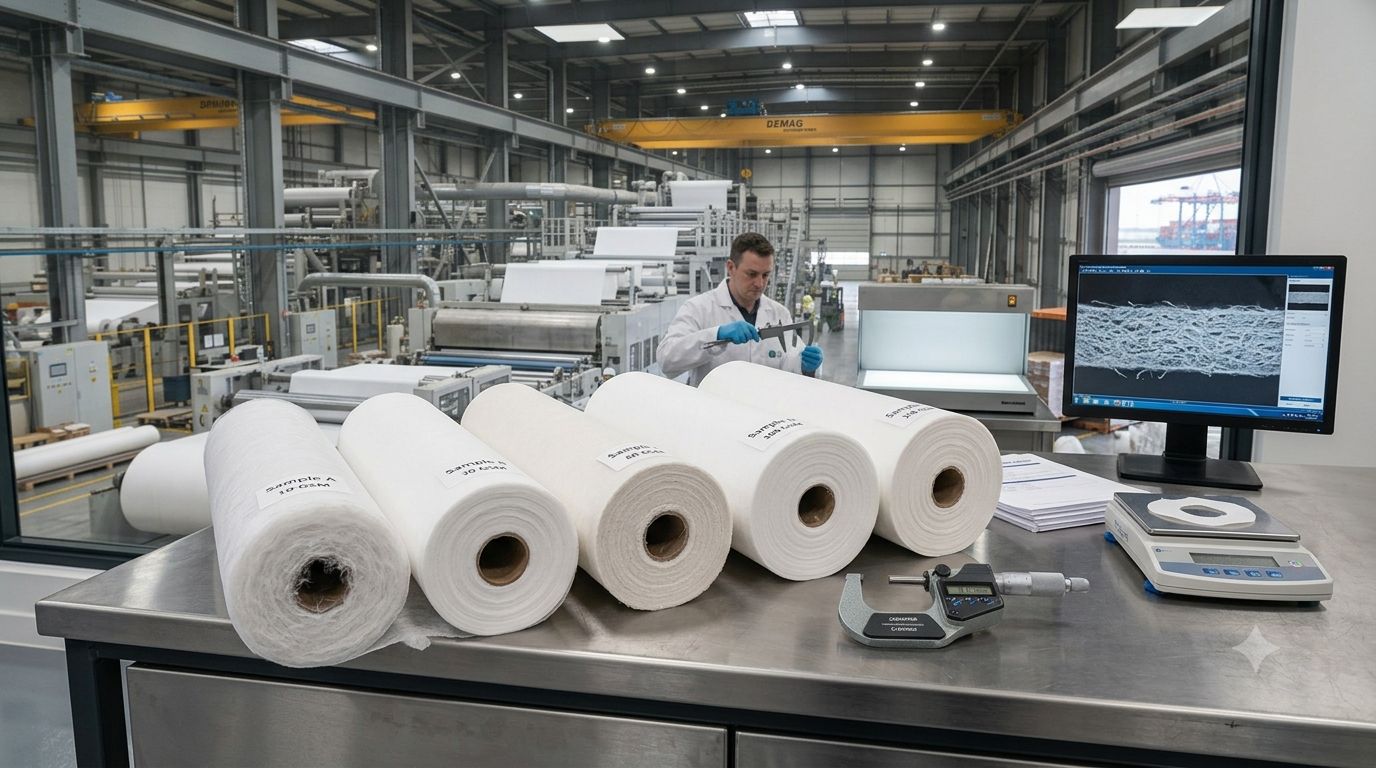
The price of spunbond nonwoven fabric is not random. It depends on: Raw material cost (PP resin) GSM (grams per square meter) Fabric width and roll size Production technology Order volume
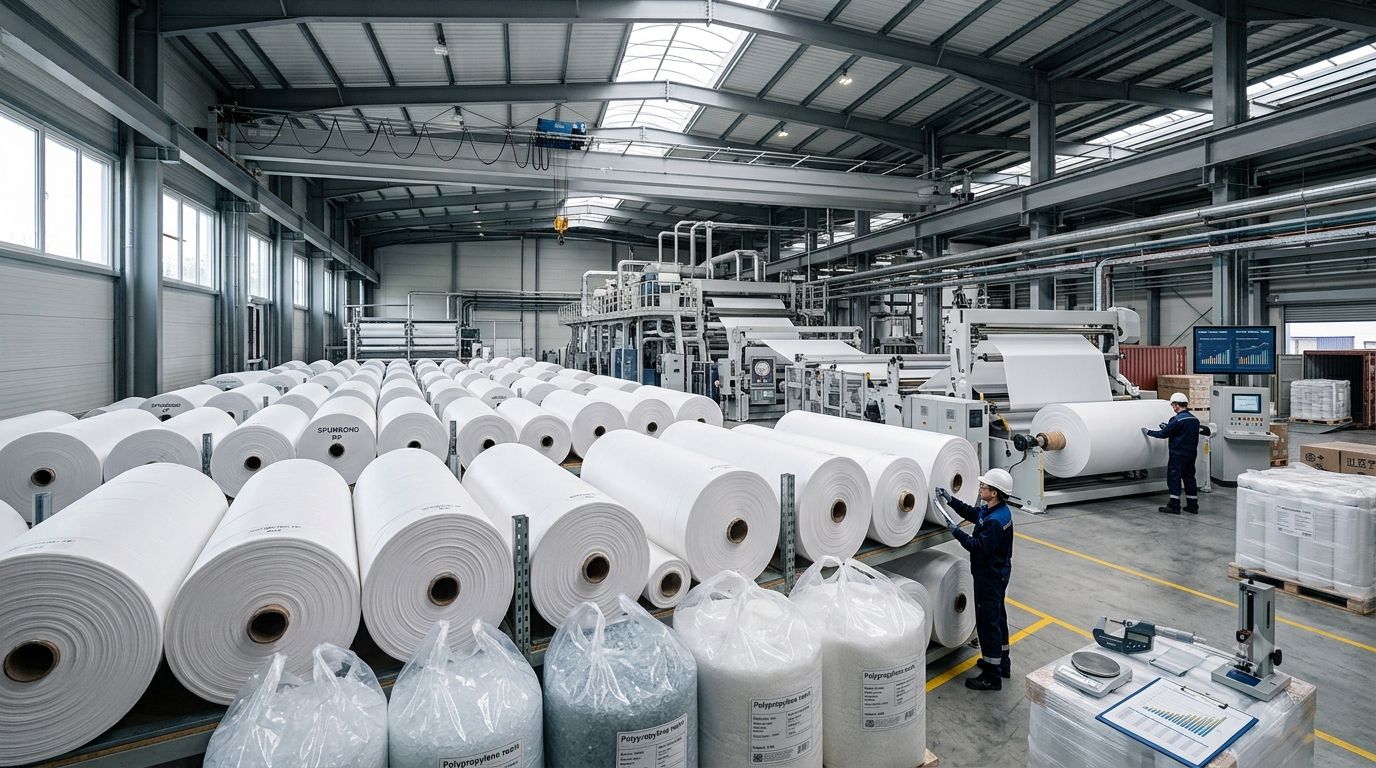
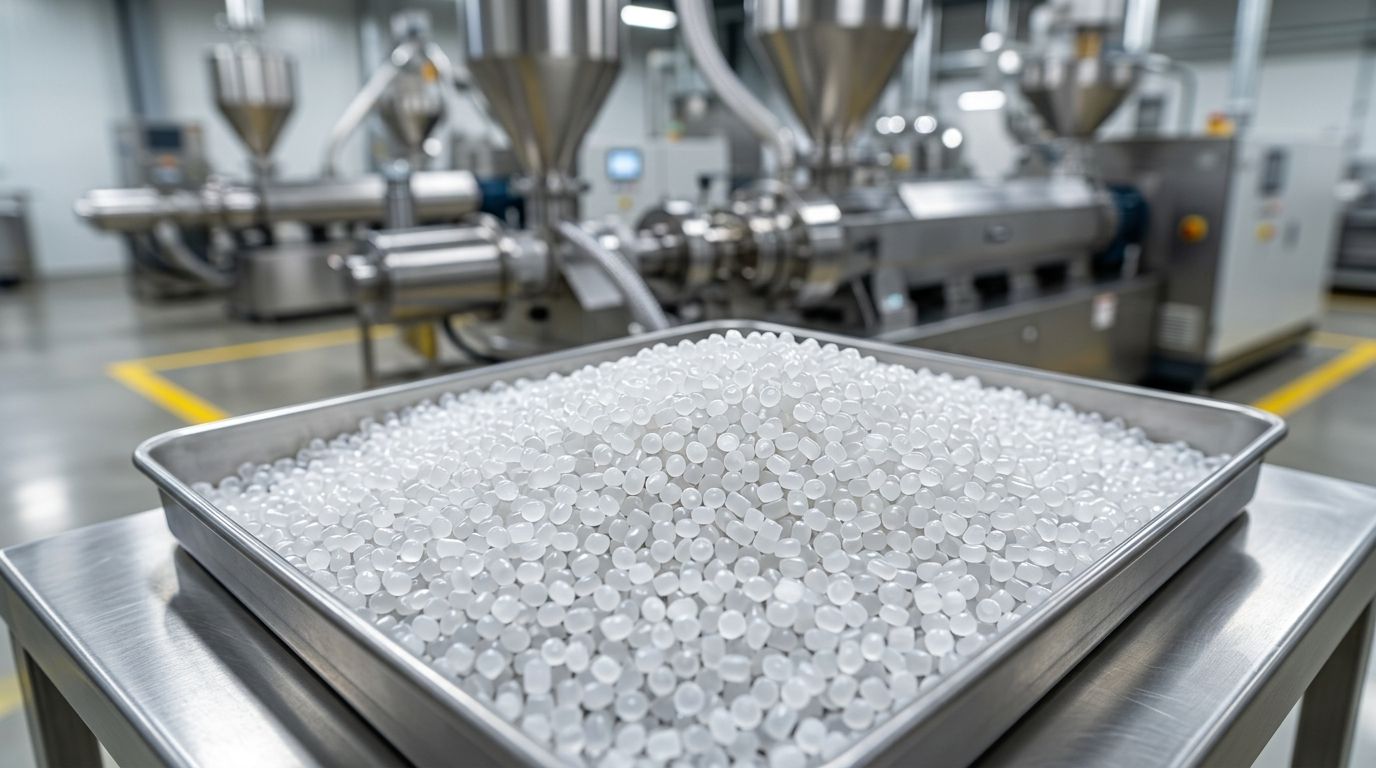
Polypropylene (PP) resin is the primary material used in spunbond fabric manufacturing. When global resin prices increase, fabric prices generally rise as well. Raw material costs can represent a significant portion of total production expenses.
One of the most common questions from buyers concerns the average spunbond fabric price. There is no universal price because every order differs in GSM, width, color, UV treatment, quantity, and destination country. Manufacturers usually provide custom quotations based on project requirements.
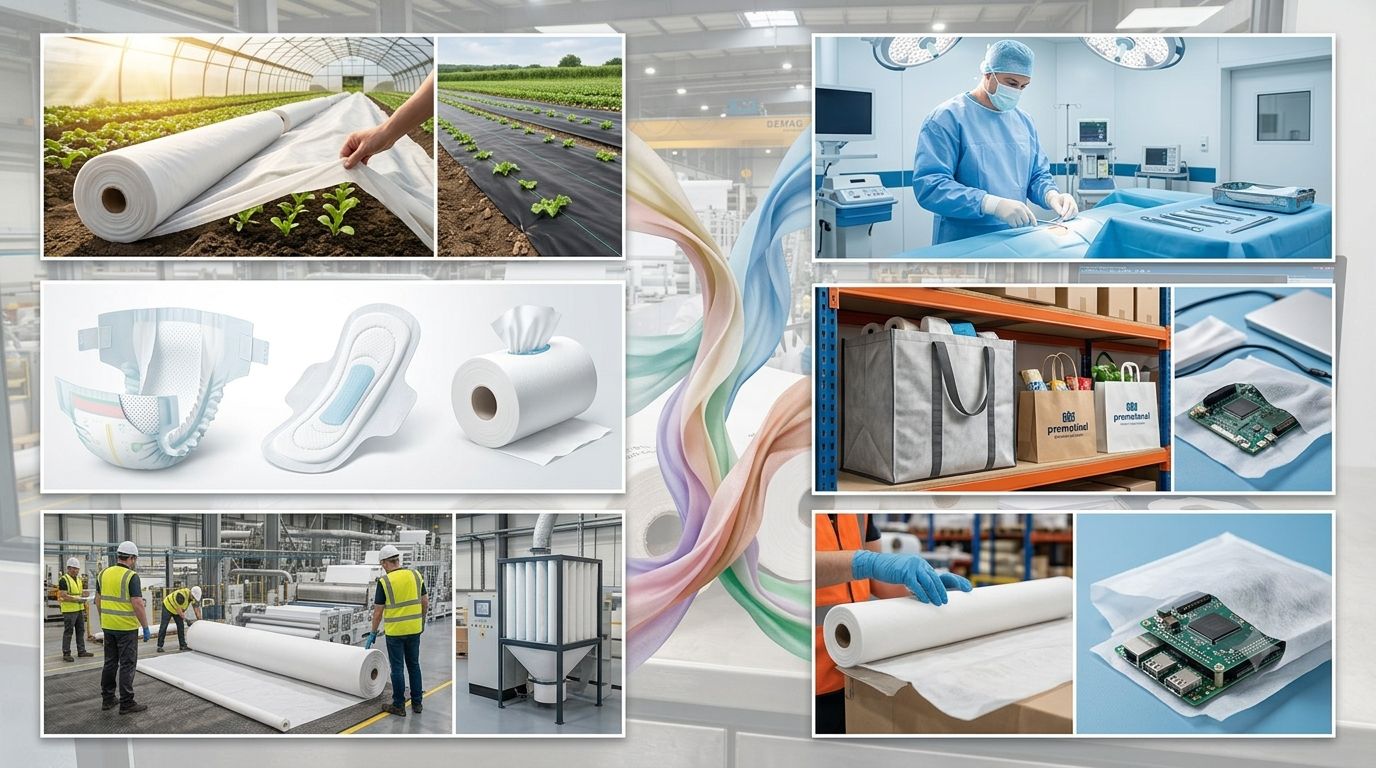
Different industries require different fabric properties. Agricultural Applications Agricultural fabrics often include UV protection additives to improve outdoor durability. Agricultural with UV Medical & Hygiene Applications Medical applications require strict quality standards and production consistency. Industrial Applications Industrial buyers often require higher durability and customized specifications.
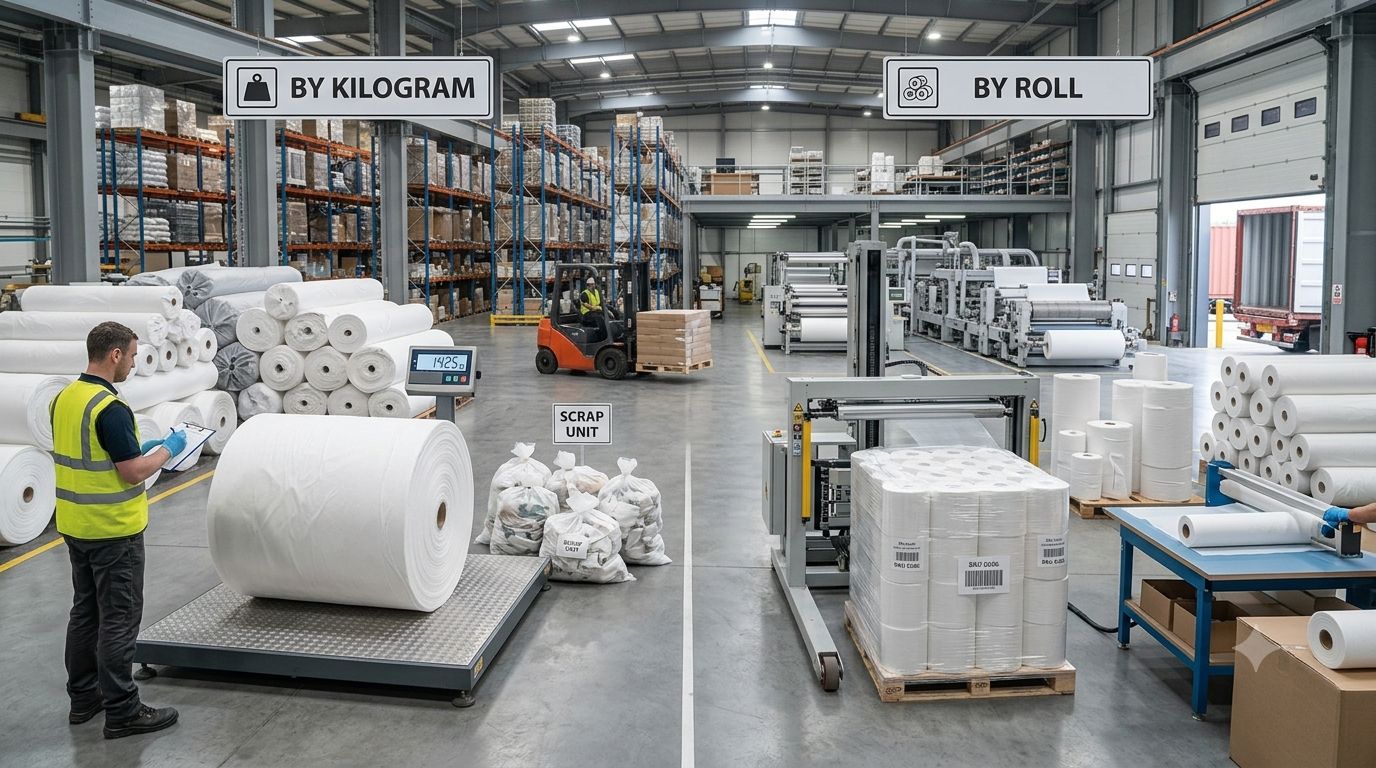
Spunbond fabric is commonly sold: Per Kg Common in export markets Suitable for bulk purchasing Per Roll Suitable for fixed specifications Easier inventory management
Export Factors That Influence Price
International pricing is affected by
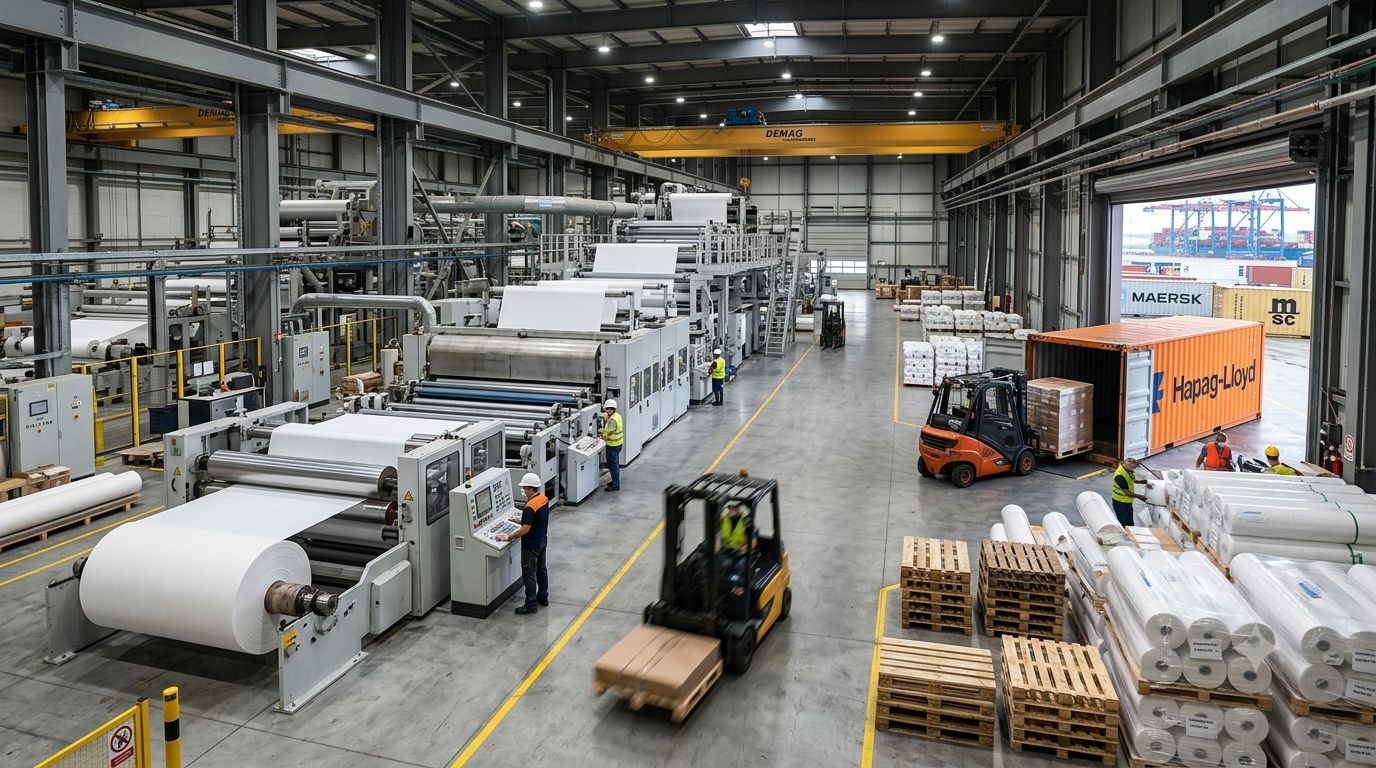
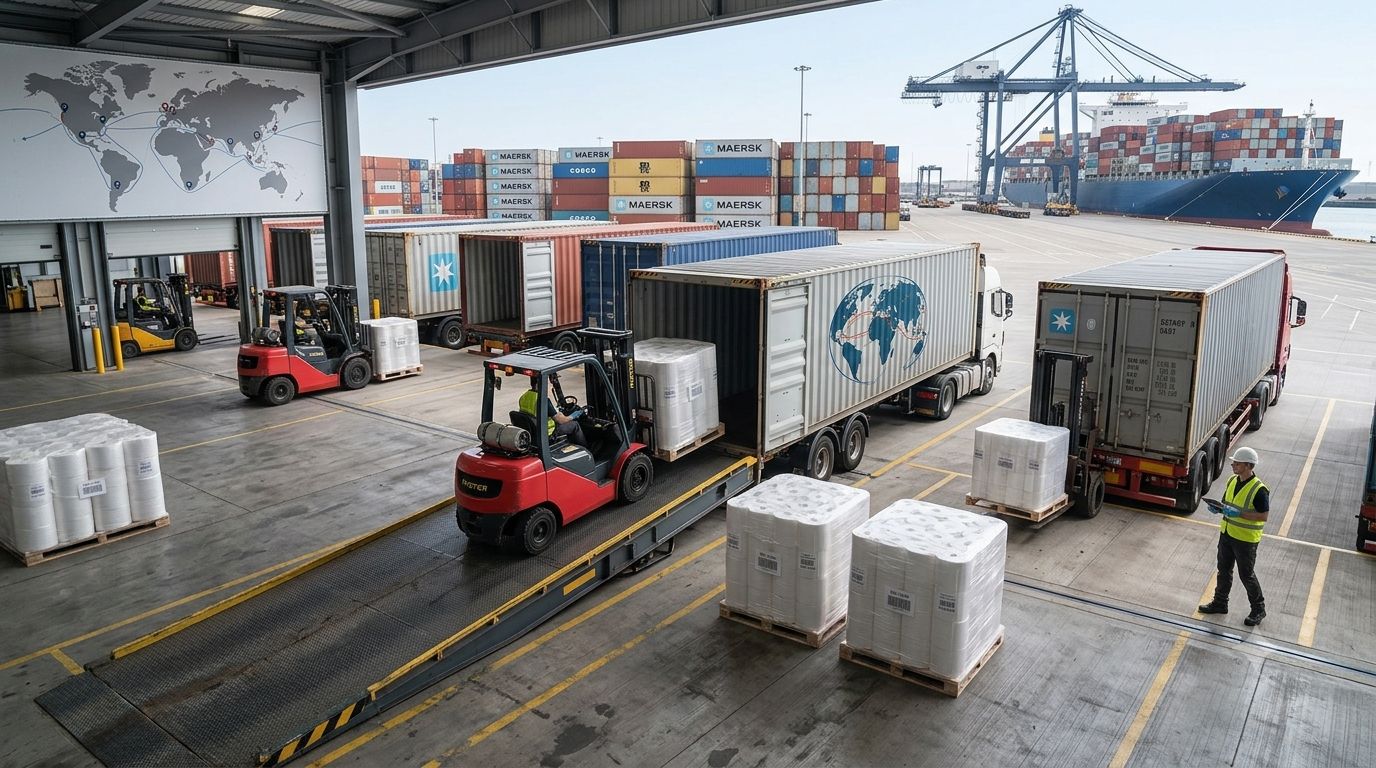
Shipping destination Freight rates Container availability Customs procedures Currency fluctuations These factors can significantly influence final delivered costs.
Bulk Order Pricing Advantages
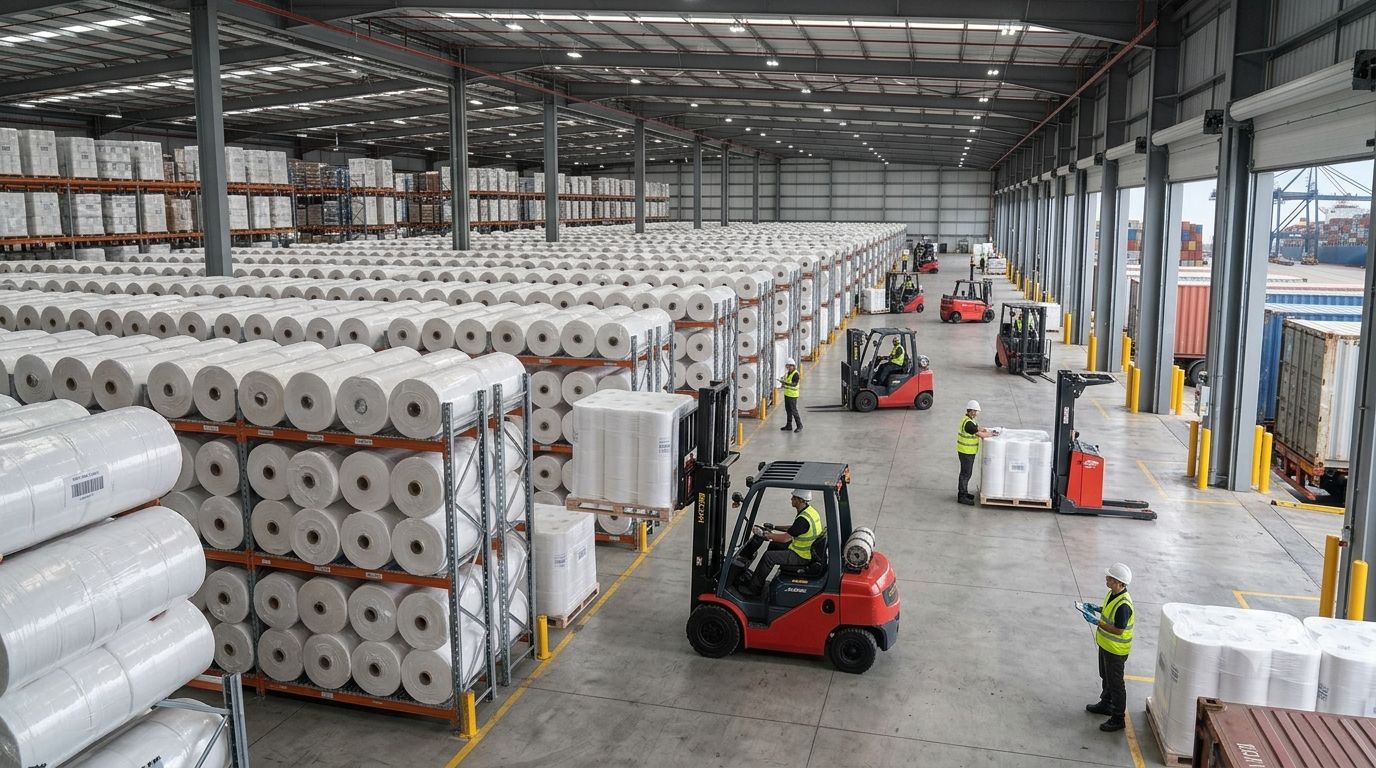
Benefits of large-volume purchasing include: Lower unit costs Improved production efficiency Reduced logistics costs Better long-term pricing opportunities
How to Get the Best Price from a Manufacturer
Buyers can secure better pricing by: Ordering larger quantities Using standardized specifications Building long-term partnerships Working directly with manufacturers Direct sourcing often reduces intermediary costs and improves communication.
Why Direct Manufacturer Pricing Matters
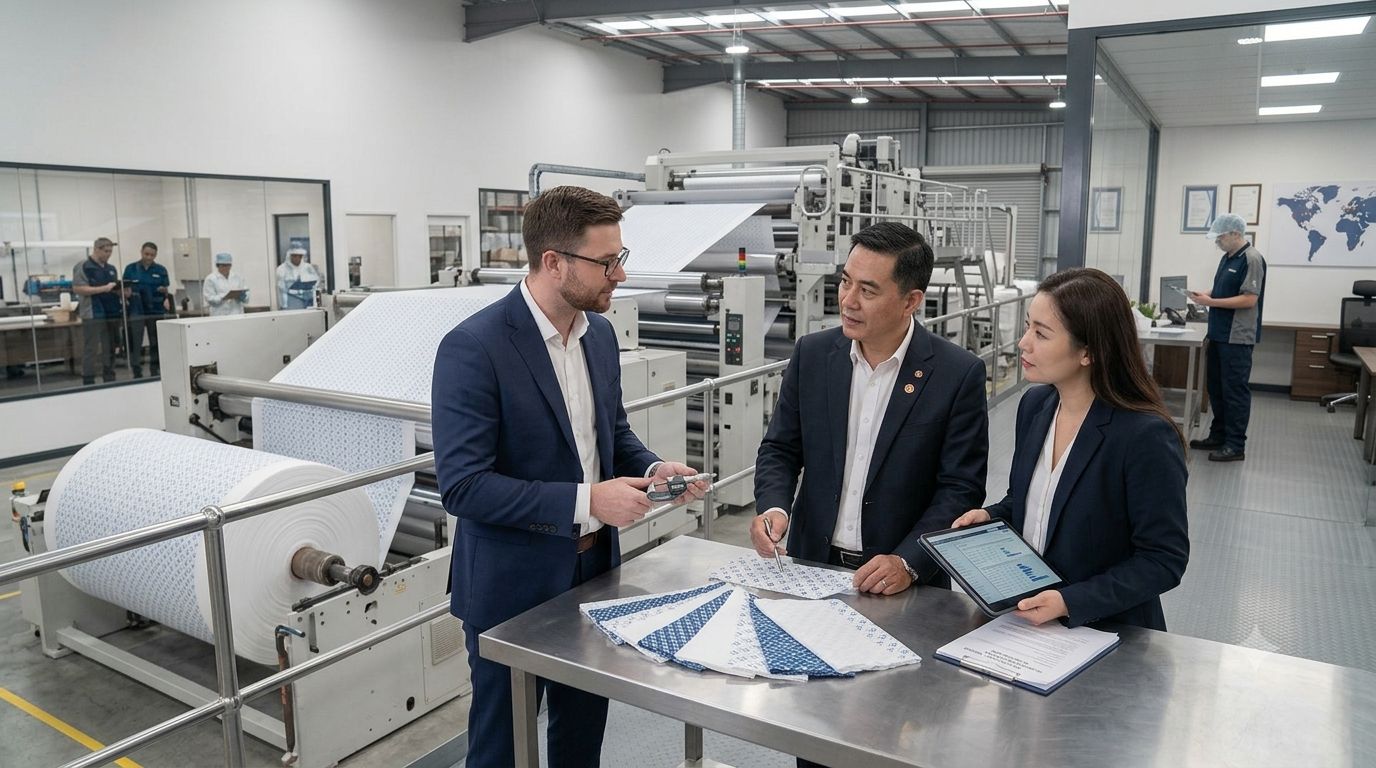
Direct manufacturers provide: No middleman markup Stable quality Custom GSM options Better export support
Get a Custom Quote
Spunbond fabric pricing depends on specification and order size.
What affects spunbond fabric price the most? GSM, raw material cost, order volume, and product specifications. Does higher GSM always mean a higher price? Generally yes, because more raw material is required. Is bulk ordering more cost-effective? Yes. Large orders typically reduce cost per unit. Can manufacturers provide customized pricing? Yes. Most quotations are based on specifications and quantity. Why are export prices different from domestic prices? Export pricing includes logistics, packaging, freight, and destination-specific requirements.