Spunbond Fabric for Medical Applications: Complete Guide
Introduction
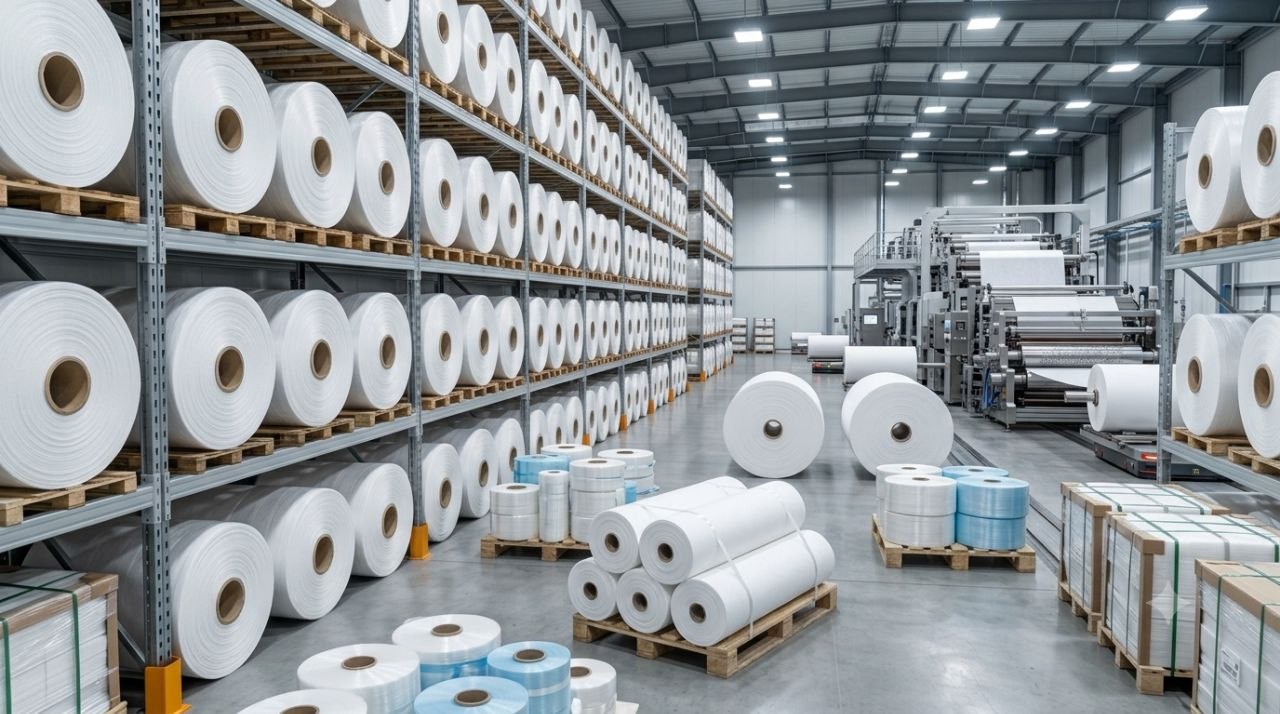
Medical spunbond fabric has become one of the most essential nonwoven materials in the healthcare industry. Manufactured from polypropylene (PP) using advanced spunbond technology, it offers an ideal combination of strength, breathability, lightweight performance, and cost-effectiveness.
From surgical gowns and face masks to disposable caps, shoe covers, and medical drapes, spunbond fabric is widely used in hospitals, clinics, laboratories, and pharmaceutical environments. Its versatility allows manufacturers to produce hygienic, comfortable, and reliable disposable medical products that meet strict quality standards.
In this guide, you’ll learn how medical spunbond fabric is manufactured, its most common applications, recommended GSM ranges, sterilization methods, and the key factors to consider when selecting the right material for healthcare products.
What Is Medical Spunbond Fabric
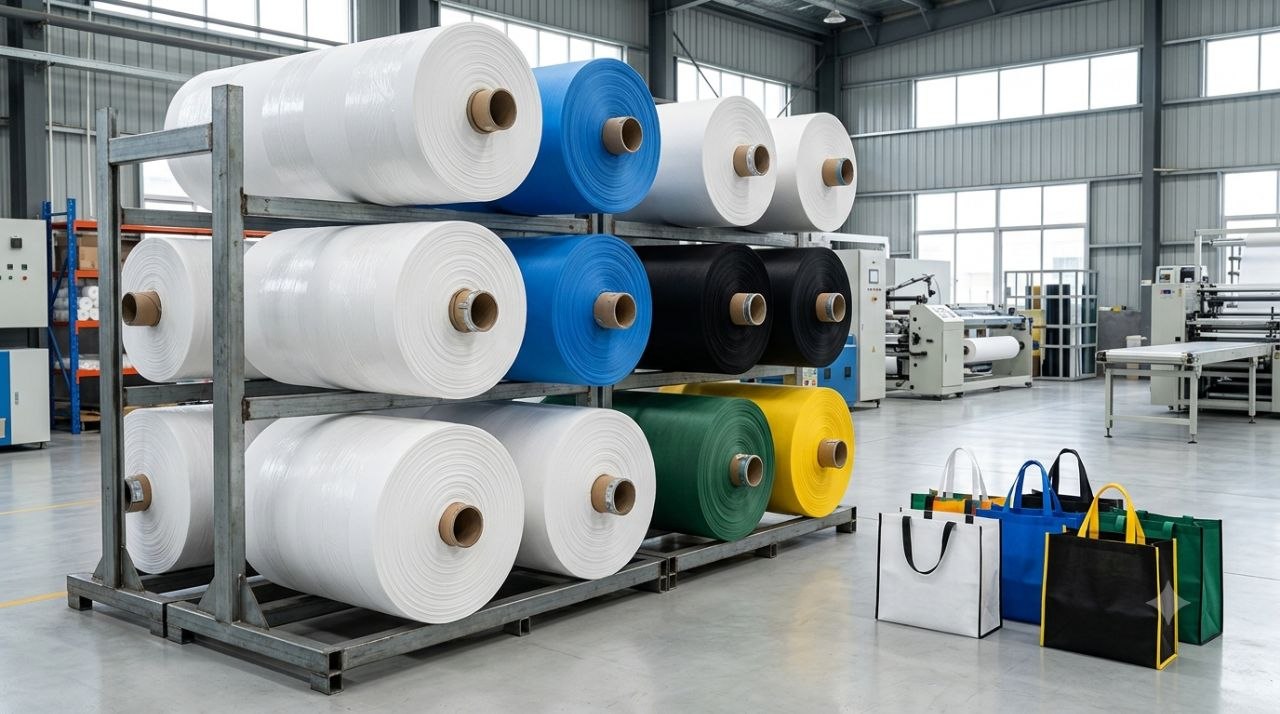
Medical spunbond fabric is a polypropylene (PP) nonwoven material specifically designed for healthcare and hygiene applications. Unlike woven textiles, spunbond fabric is produced by continuously extruding polypropylene filaments, bonding them together through heat and pressure to create a durable, lightweight, and breathable structure.
Its unique characteristics make it an ideal material for disposable medical products that require hygiene, comfort, and reliable barrier performance. Depending on the intended application, medical spunbond fabric can be manufactured as a single-layer material or combined with meltblown layers to create SMS or SMMS composites with enhanced filtration and liquid resistance.
Today, medical spunbond fabric is widely used worldwide in hospitals, clinics, pharmaceutical facilities, and cleanroom environments due to its consistent quality, excellent processability, and cost efficiency.
Why Polypropylene Is Used in Medical Spunbond Fabric
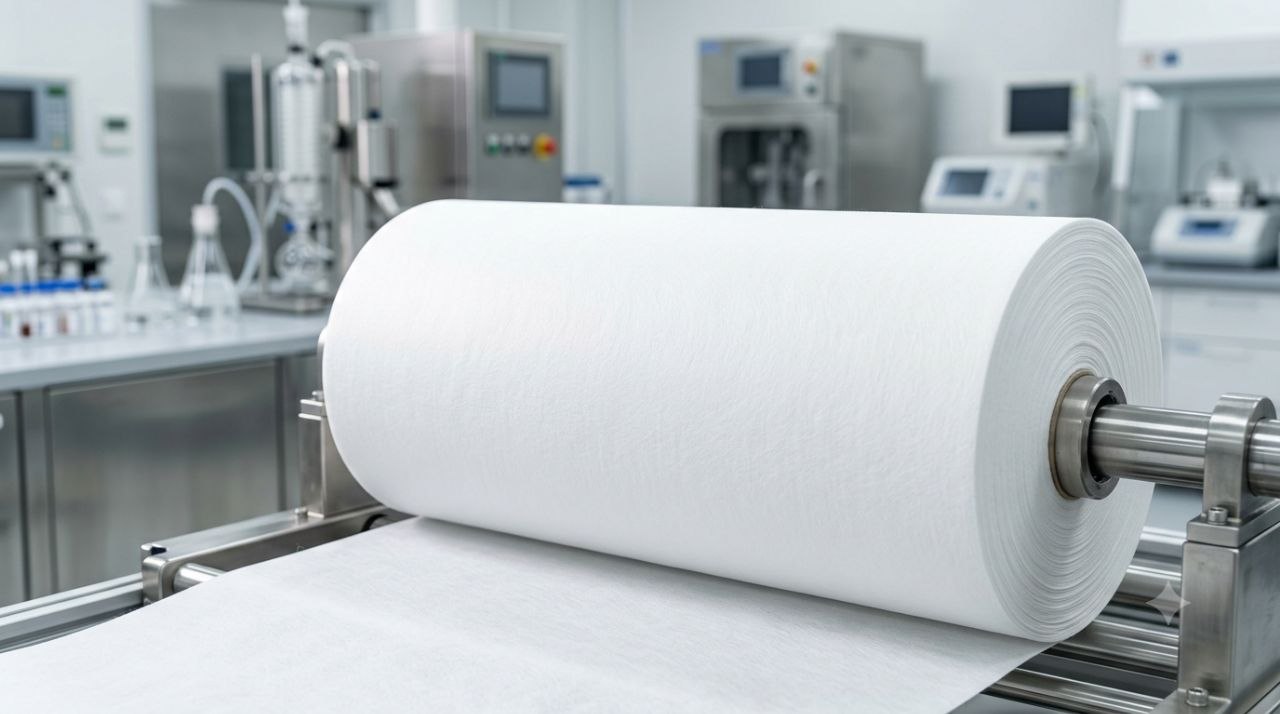
Polypropylene (PP) is the most widely used raw material for manufacturing medical spunbond fabric because it offers an excellent balance of performance, hygiene, and cost-efficiency. Its lightweight structure, chemical resistance, and excellent processability make it the preferred choice for disposable medical products worldwide.
One of the biggest advantages of polypropylene is its resistance to moisture and many chemicals. Unlike natural fibers, PP does not absorb water, helping medical products remain lightweight and maintain their protective properties during use.
Polypropylene spunbond fabric also provides excellent breathability, allowing air circulation while maintaining user comfort during long periods of wear. This is especially important for surgical gowns, isolation gowns, face masks, and disposable protective clothing.
Another major benefit is its compatibility with sterilization processes such as Ethylene Oxide (EO) and Gamma Radiation, making it suitable for a wide range of medical and healthcare applications.
In addition, polypropylene is recyclable, cost-effective, and capable of being converted into multilayer structures such as SMS and SMMS nonwoven, which provide enhanced barrier protection against liquids and particles.
| Property | Benefit |
|---|---|
| Lightweight | Comfortable for long-term wear |
| Breathable | Improves user comfort |
| Chemical Resistant | Suitable for medical environments |
| Moisture Resistant | Helps maintain product performance |
| Sterilization Compatible | EO and Gamma sterilization |
| Cost-effective | Efficient for mass production |
| Recyclable | Supports sustainable manufacturing |
Medical Applications of Spunbond Fabric
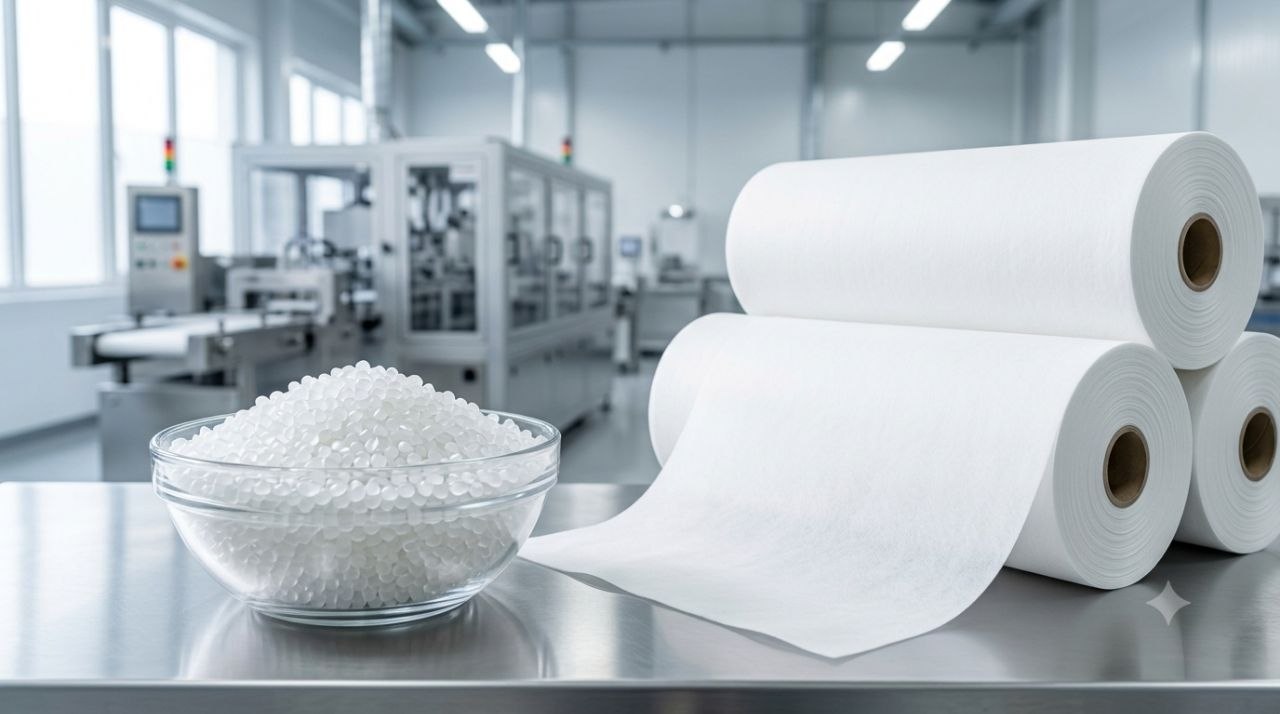
Medical spunbond fabric is widely used in the healthcare industry because of its lightweight structure, durability, breathability, and hygienic properties. It is an essential material for manufacturing a wide range of disposable medical and protective products used in hospitals, clinics, laboratories, and pharmaceutical facilities.
Some of the most common medical applications include:
• Surgical gowns that provide comfort and reliable protection during medical procedures.
• Isolation gowns designed to reduce the risk of contamination in healthcare environments.
• Disposable face masks manufactured as part of multilayer nonwoven structures.
• Surgical caps and bouffant caps used to maintain sterile conditions in operating rooms.
• Disposable shoe covers that help prevent contamination in sensitive medical areas.
• Medical bed sheets and patient drapes for hygienic patient care.
• Sterile packaging materials used for medical devices and healthcare products.
Depending on the required level of protection, spunbond fabric may be used alone or combined with meltblown layers to produce SMS and SMMS nonwoven materials with enhanced barrier performance.
| Medical Product | Typical Material |
|---|---|
| Surgical Gown | PP Spunbond / SMS |
| Isolation Gown | PP Spunbond |
| Face Mask | Spunbond + Meltblown |
| Surgical Cap | PP Spunbond |
| Shoe Cover | PP Spunbond |
| Medical Bed Sheet | PP Spunbond |
| Sterile Packaging | PP Spunbond |
SMS, SMMS and Spunbond: What's the Difference
Although spunbond fabric is widely used in medical applications, certain healthcare products require higher levels of barrier protection. In these cases, multilayer nonwoven materials such as SMS and SMMS are preferred.
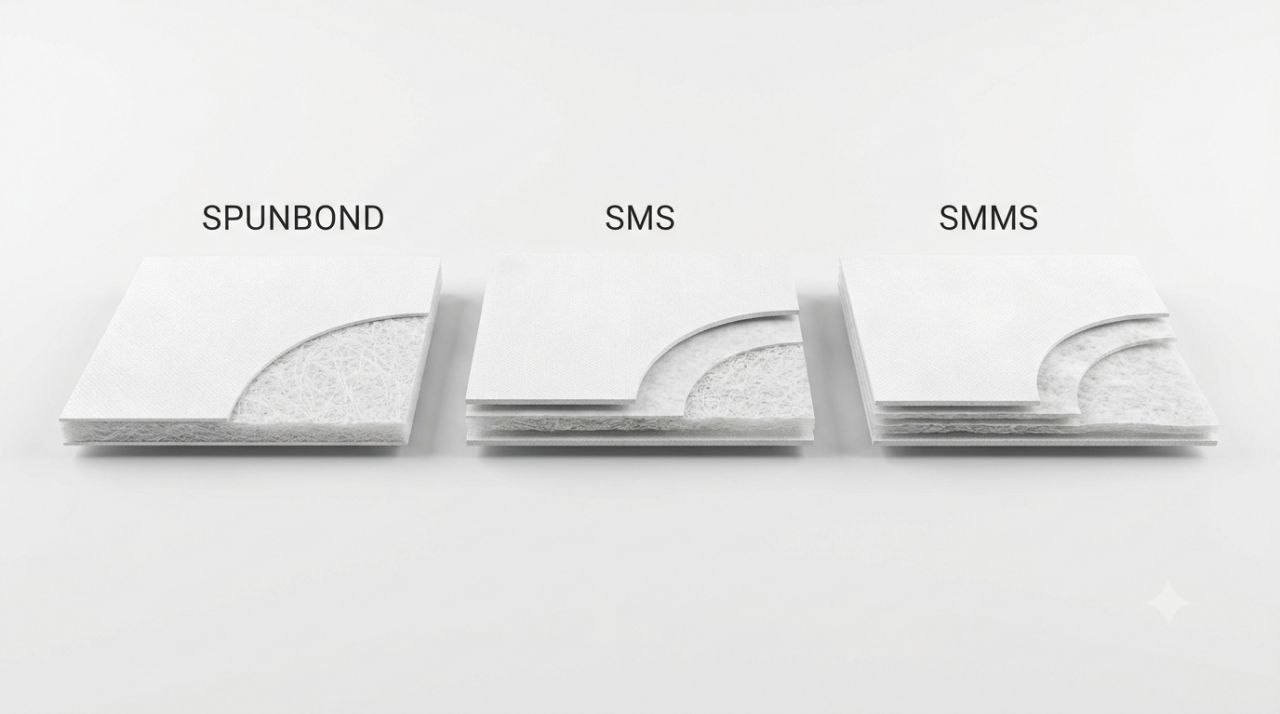
Spunbond fabric consists of continuous polypropylene filaments that provide strength, durability, and breathability. It is commonly used for disposable medical apparel and protective products where basic protection is sufficient.
SMS nonwoven fabric combines two spunbond layers with one meltblown layer. The meltblown layer significantly improves bacterial filtration efficiency (BFE), particle filtration, and liquid resistance, making SMS an excellent choice for surgical gowns, drapes, and medical protective clothing.
SMMS nonwoven fabric features four layers, including two meltblown layers between spunbond layers. This structure offers enhanced barrier performance while maintaining comfort and breathability. SMMS is often selected for high-performance medical garments and products requiring superior protection.
The choice between spunbond, SMS, and SMMS depends on the intended medical application, required protection level, breathability, and cost considerations.
| Material | Structure | Main Advantages | Common Applications |
|---|---|---|---|
| Spunbond | S | Lightweight, breathable, economical | Caps, shoe covers, basic gowns |
| SMS | S + M + S | Better filtration and liquid resistance | Surgical gowns, drapes |
| SMMS | S + M + M + S | Superior barrier protection | High-performance medical apparel |
Manufacturing Process of Medical Spunbond Fabric
Medical spunbond fabric is manufactured using an advanced continuous production process that converts polypropylene (PP) resin into strong and uniform nonwoven fabric. The process is designed to ensure consistent quality, high production efficiency, and compliance with medical industry requirements.
The manufacturing process begins with melting high-quality polypropylene pellets. The molten polymer is then extruded through precision spinnerets to form continuous filaments. These fine filaments are cooled, stretched, and evenly distributed onto a moving conveyor belt to create a uniform fiber web.
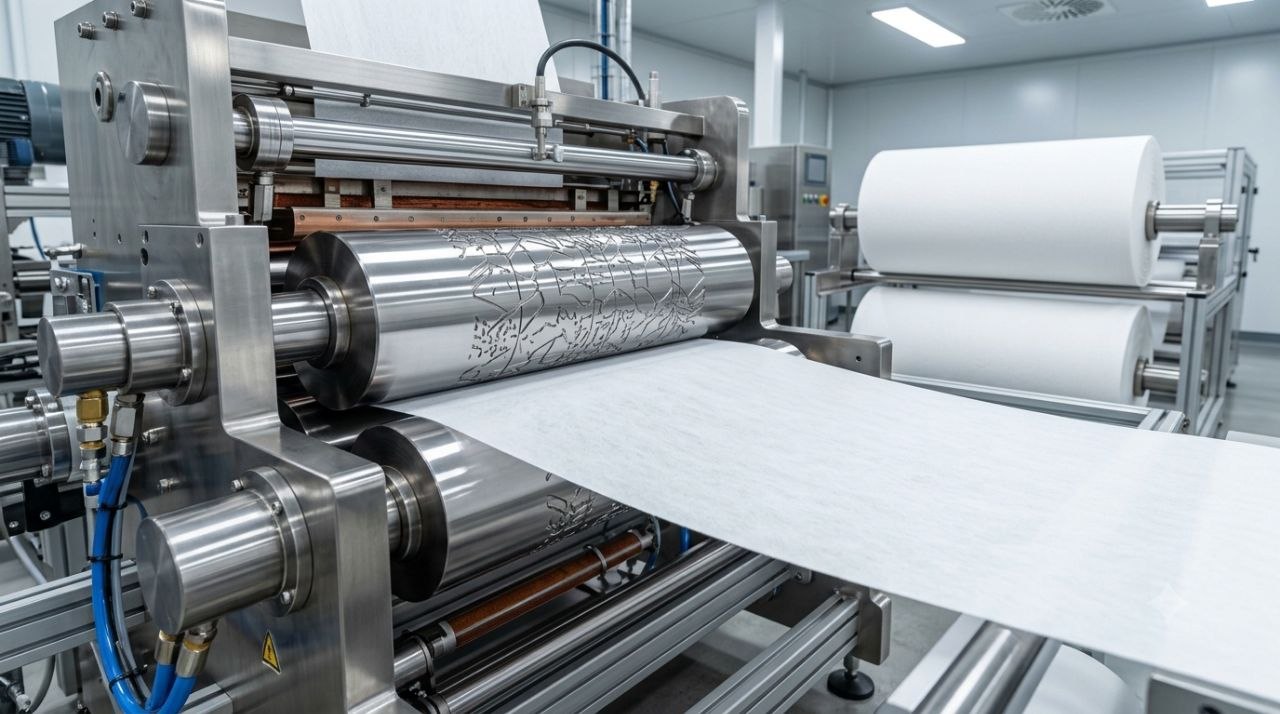
The fiber web is bonded using thermal calender rollers, which apply controlled heat and pressure to produce a durable, lightweight, and breathable nonwoven fabric. Depending on the intended medical application, the fabric may undergo additional treatments or be laminated with meltblown layers to produce SMS or SMMS materials.
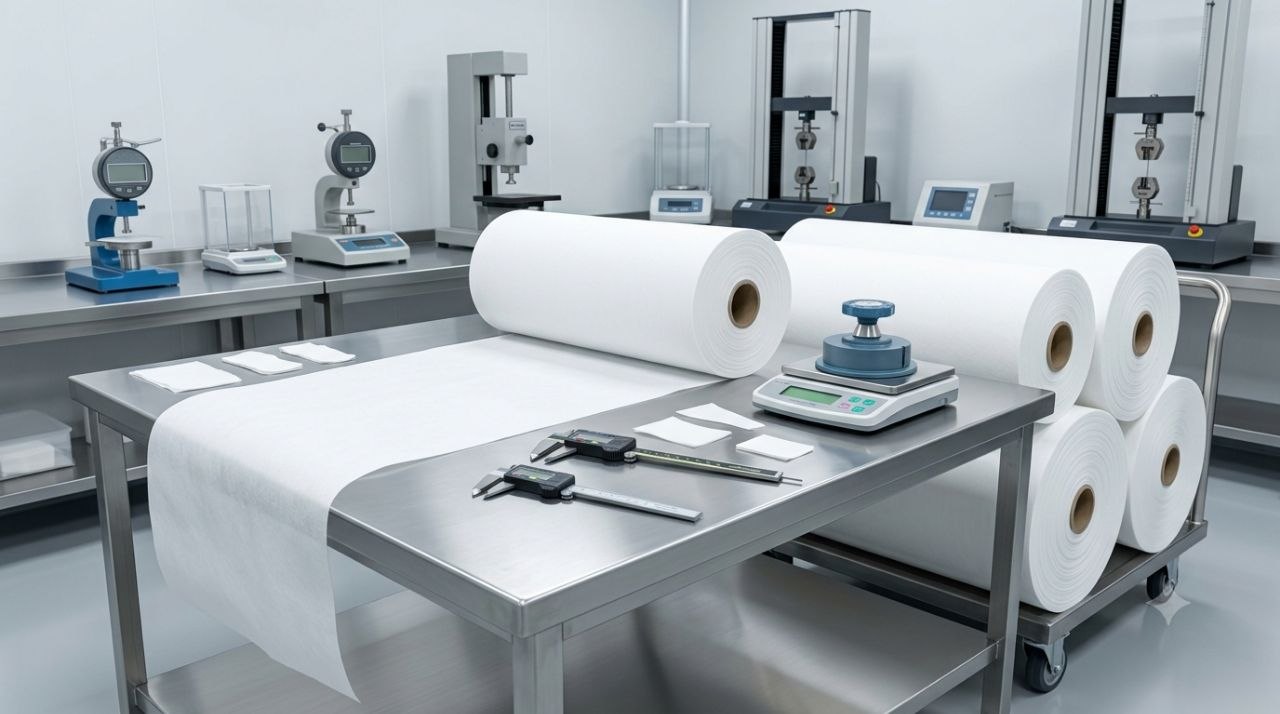
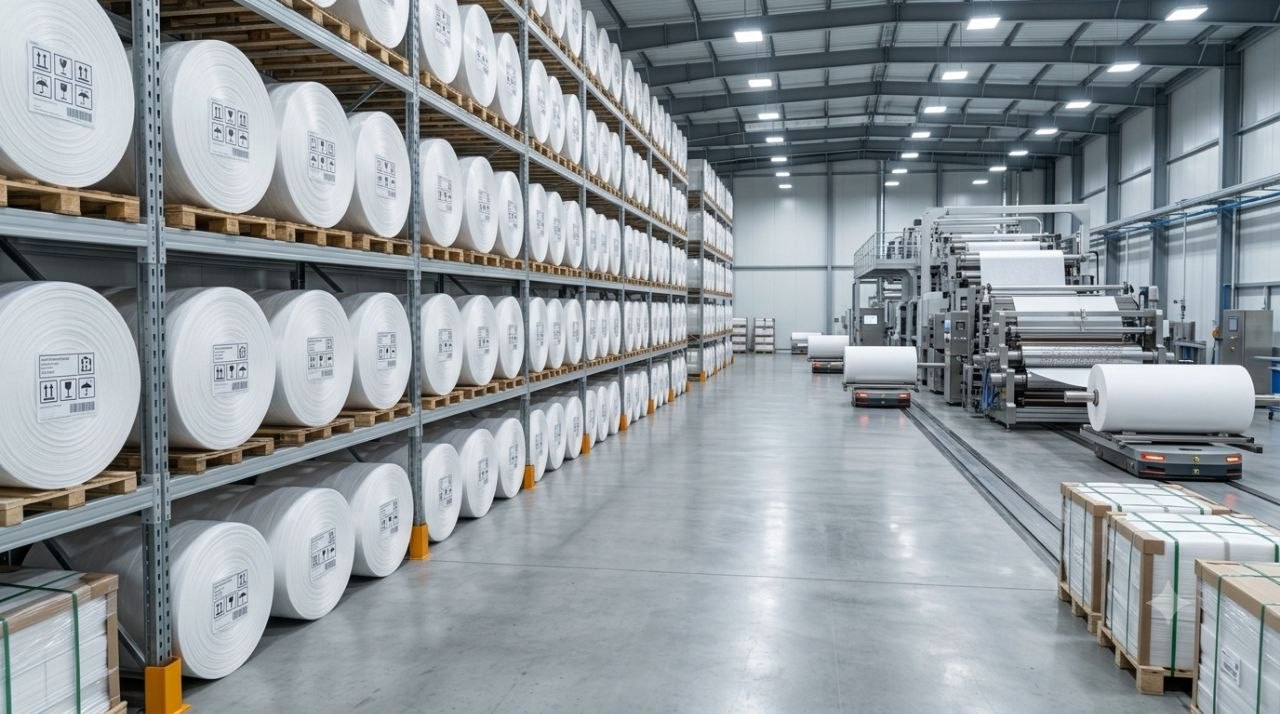
After production, the fabric is carefully inspected for weight consistency (GSM), tensile strength, uniformity, and surface quality before being wound into rolls and prepared for converting into medical products such as surgical gowns, face masks, caps, and protective clothing.
| Step | Process |
|---|---|
| 1 | Polypropylene Melting |
| 2 | Filament Extrusion |
| 3 | Cooling & Drawing |
| 4 | Web Formation |
| 5 | Thermal Bonding |
| 6 | Quality Inspection |
| 7 | Roll Winding & Packaging |
Sterilization Methods
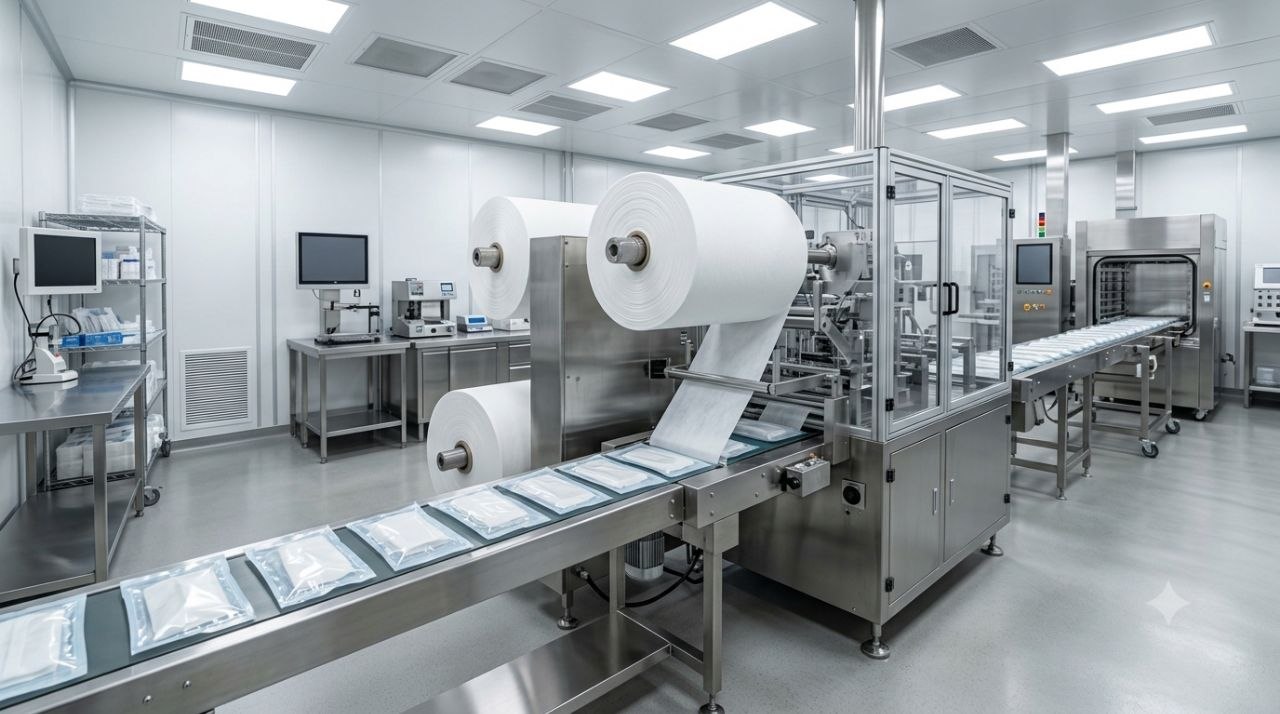
Sterilization is a critical step for many medical products made from spunbond fabric. The appropriate sterilization method depends on the intended application, product design, and regulatory requirements. Medical spunbond fabric is compatible with several widely used sterilization techniques while maintaining its structural integrity and performance.
Ethylene Oxide (EO) sterilization is one of the most common methods for disposable medical products. It effectively eliminates microorganisms at relatively low temperatures, making it suitable for heat-sensitive materials.
Gamma radiation sterilization is another widely accepted method. It provides deep penetration and high sterilization efficiency without leaving chemical residues, making it ideal for many packaged medical products.
In some applications, steam sterilization may also be used, although it is generally more suitable for products specifically designed to withstand high temperatures and moisture.
Choosing the correct sterilization method helps ensure product safety, regulatory compliance, and reliable performance throughout the product’s intended use.
| Sterilization Method | Advantages | Common Applications |
|---|---|---|
| Ethylene Oxide (EO) | Low-temperature sterilization, suitable for heat-sensitive materials | Surgical gowns, medical devices |
| Gamma Radiation | Deep penetration, no chemical residue | Medical packaging, disposable products |
| Steam Sterilization | Fast and effective for heat-resistant products | Selected reusable medical products |
How to Choose Medical Spunbond Fabric
Selecting the right medical spunbond fabric requires careful consideration of the product’s intended application, required protection level, and manufacturing process. Choosing the appropriate material helps ensure product quality, regulatory compliance, and cost efficiency.
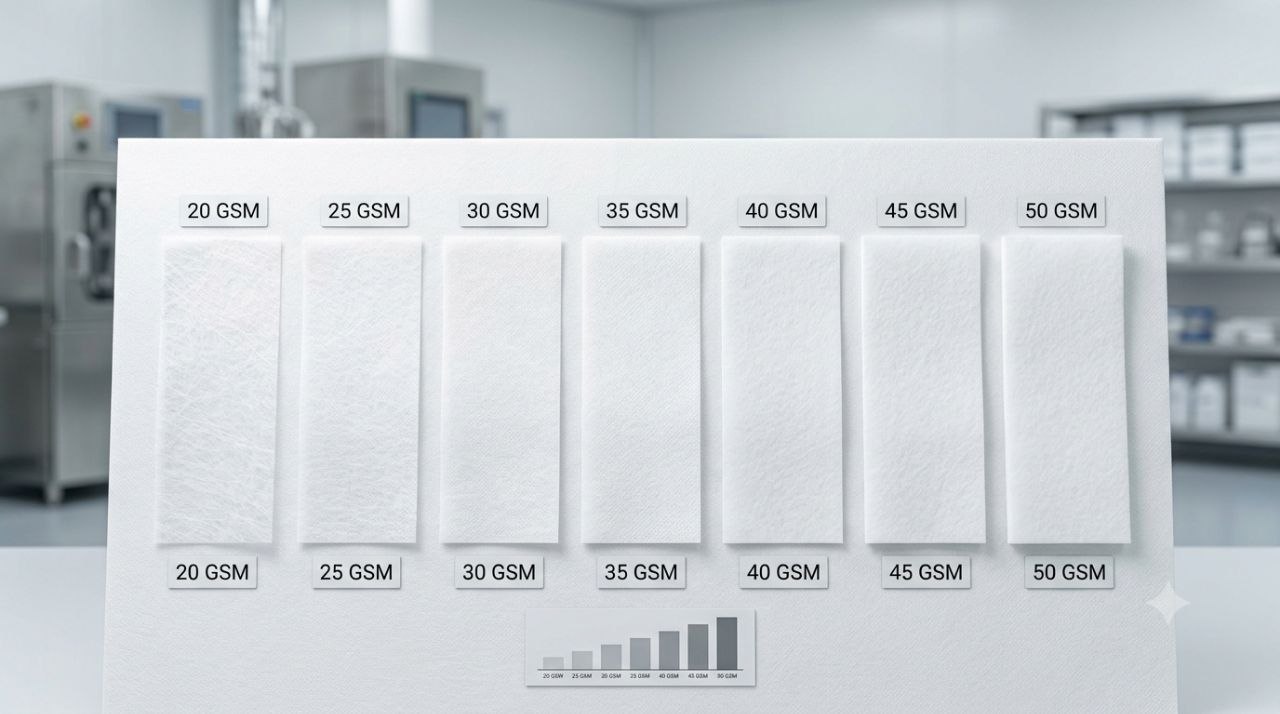
The first factor to evaluate is the fabric weight (GSM). Lightweight fabrics are suitable for disposable caps and face masks, while higher Spunbond fabric GSM materials provide greater strength for surgical gowns, drapes, and protective apparel.
Material quality is equally important. High-quality polypropylene resin, consistent fiber distribution, and uniform bonding contribute to better tensile strength, durability, and overall product performance.
Manufacturers should also consider whether a single-layer spunbond fabric is sufficient or if multilayer structures such as SMS or SMMS are required for enhanced filtration and liquid resistance.
Finally, selecting a reliable supplier with consistent production quality, customization options, and international export experience is essential for maintaining product performance and meeting customer expectations.
| Selection Factor | Why It Matters |
|---|---|
| GSM | Determines strength and comfort |
| Polypropylene Quality | Improves durability and consistency |
| Fabric Uniformity | Ensures stable product performance |
| Barrier Performance | Required for different medical applications |
| Certifications | Supports quality and compliance requirements |
| Supplier Experience | Ensures reliable production and delivery |
Why Choose Nasjiran for Medical Spunbond Fabric
Medical spunbond fabric has become an essential material for modern healthcare products due to its lightweight structure, breathability, durability, and cost-effectiveness. From surgical gowns and face masks to medical drapes, caps, and protective apparel, polypropylene spunbond fabric continues to play a vital role in maintaining hygiene and safety across healthcare industries.
Selecting the right spunbond fabric involves evaluating GSM, material quality, barrier performance, and manufacturing consistency. Working with a reliable supplier ensures that every product meets the required quality standards and performs consistently in demanding medical environments.
Nasjiran is committed to supplying premium polypropylene spunbond fabric for medical applications with consistent quality, flexible customization options, and dependable production capabilities. Whether you require fabric for disposable medical products or large-scale manufacturing, our team is ready to provide reliable nonwoven solutions for domestic and international markets.
Frequently Asked Questions (FAQ)
What is medical spunbond fabric?
Medical spunbond fabric is a polypropylene (PP) nonwoven material widely used to manufacture disposable healthcare products such as surgical gowns, face masks, medical caps, shoe covers, and protective clothing due to its lightweight, breathable, and durable properties.
What GSM is best for medical spunbond fabric?
The appropriate GSM depends on the application. Generally, 20–25 GSM is used for face masks and caps, 25–35 GSM for isolation gowns, and 35–50 GSM for surgical gowns and other protective medical products.
What is the difference between spunbond and SMS fabric?
Spunbond fabric provides strength and breathability, while SMS fabric includes an additional meltblown layer that significantly improves filtration efficiency, liquid resistance, and barrier protection for medical applications.
Can polypropylene spunbond fabric be sterilized?
Yes. Medical-grade polypropylene spunbond fabric is compatible with common sterilization methods such as Ethylene Oxide (EO) and Gamma Radiation, depending on the requirements of the final medical product.
Is spunbond fabric recyclable?
Yes. Polypropylene spunbond fabric is recyclable and is considered one of the more environmentally responsible materials for disposable nonwoven medical products when managed through appropriate recycling systems.

Frequently Asked Questions (FAQ) & Conclusion
What is medical spunbond fabric used for?
Medical spunbond fabric is primarily used for manufacturing disposable healthcare products such as surgical gowns, isolation gowns, face masks, surgical caps, shoe covers, medical drapes, and sterile packaging materials.
What is the best GSM for medical spunbond fabric?
The ideal GSM depends on the application. Fabrics between 20–25 GSM are commonly used for face masks and caps, while 25–35 GSM is suitable for isolation gowns. Surgical gowns and protective medical apparel typically use 35–50 GSM materials.
What is the difference between spunbond and SMS fabric?
Spunbond fabric provides excellent strength and breathability, while SMS fabric includes an additional meltblown layer that offers improved bacterial filtration, liquid resistance, and barrier protection for demanding medical applications.
Can medical spunbond fabric be sterilized?
Yes. Polypropylene medical spunbond fabric is compatible with common sterilization methods such as Ethylene Oxide (EO) and Gamma Radiation, depending on the final medical product and its intended use.
Conclusion
Medical spunbond fabric has become an essential material in modern healthcare thanks to its lightweight structure, durability, breathability, and cost-effectiveness. Selecting the appropriate GSM, material quality, and production specifications ensures reliable performance across a wide range of medical applications.
Nasjiran supplies premium polypropylene spunbond fabric with consistent quality, flexible customization options, and dependable production capabilities to support manufacturers serving domestic and international healthcare markets.