Agricultural Spunbond Fabric: Complete Guide to UV-Stabilized Crop Covers
Introduction
Modern agriculture requires innovative materials that improve crop quality while reducing environmental risks. Agricultural Spunbond Fabric has become one of the most effective nonwoven solutions for protecting crops against frost, excessive sunlight, insects, wind, and other environmental challenges.
Manufactured from Polypropylene Spunbond Fabric and enhanced with UV stabilizers, this lightweight and breathable material creates an ideal growing environment by allowing air, water, and sunlight to reach plants while minimizing damage from external conditions.
Today, Agricultural Spunbond Fabric is widely used in open-field farming, greenhouses, nurseries, fruit orchards, vegetable production, and landscaping projects. Available in different GSM values, widths, and UV resistance levels, it provides farmers with a cost-effective solution that improves crop yield, extends growing seasons, and reduces the need for chemical protection.
This guide explains how agricultural spunbond fabric works, its key properties, common applications, recommended GSM ranges, and the factors to consider when selecting the right material for professional agricultural use.
What Is Agricultural Spunbond Fabric
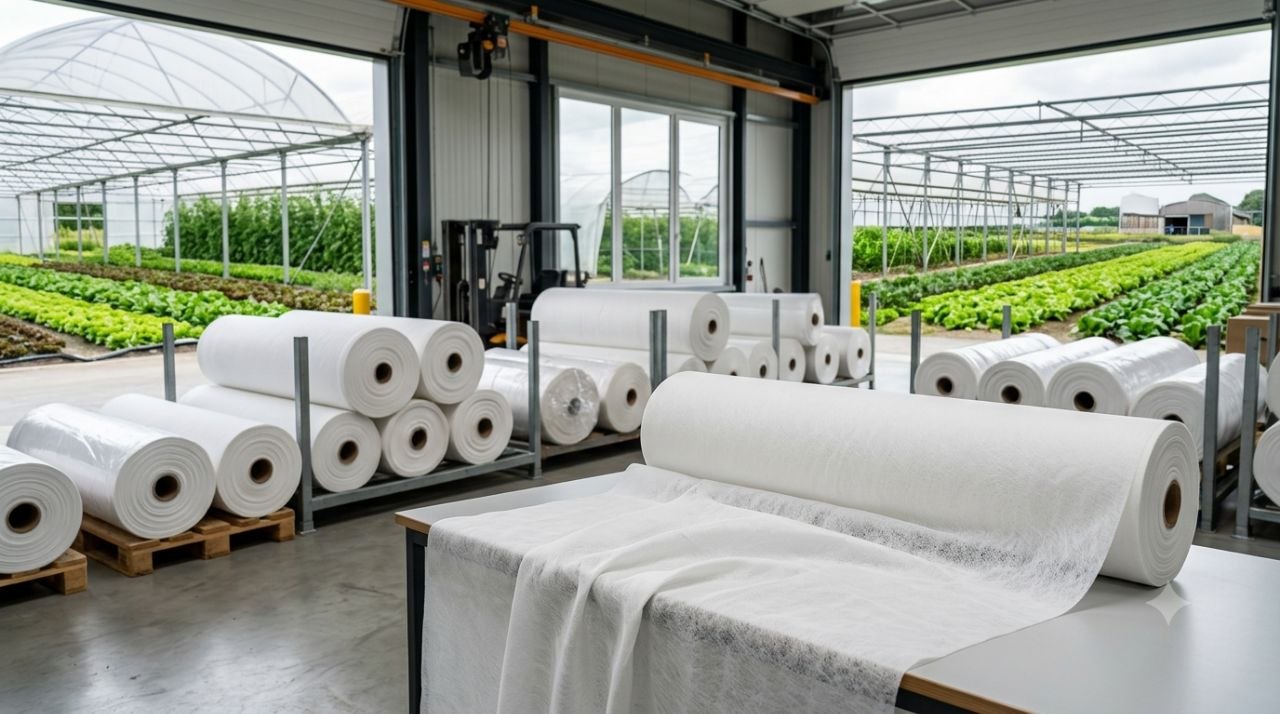
Agricultural Spunbond Fabric is a breathable nonwoven material manufactured from Polypropylene (PP) using advanced spunbond technology. Unlike traditional plastic films, this fabric allows air, water, and sunlight to pass through while providing reliable protection against harsh environmental conditions.
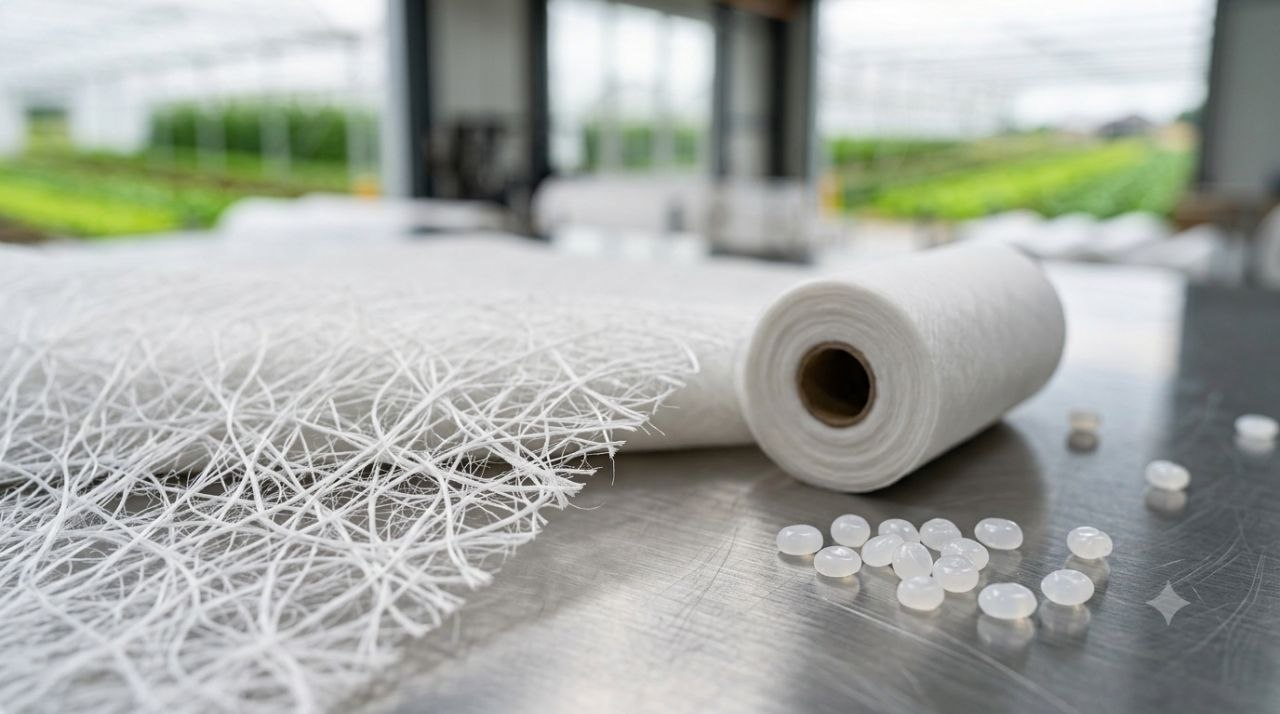
The fabric consists of continuous polypropylene filaments that are thermally bonded to create a lightweight yet durable structure. During production, UV stabilizers are added to improve resistance against prolonged sunlight exposure, ensuring the fabric maintains its strength and performance throughout the growing season.
Because of its breathable structure, Agricultural Spunbond Fabric helps regulate temperature and humidity around plants. It reduces heat stress during hot weather, minimizes frost damage during cold nights, and creates a healthier microclimate that supports stronger plant growth.
Available in multiple GSM ranges and roll widths, agricultural spunbond fabric can be customized for vegetable farms, fruit orchards, vineyards, flower cultivation, greenhouse production, and many other agricultural applications.
How Agricultural Spunbond Fabric Protects Crops
Healthy crops require consistent protection against changing weather conditions, pests, and environmental stress. Agricultural Spunbond Fabric creates a protective barrier that helps maintain an ideal growing environment without restricting the natural exchange of air, water, and sunlight.
Unlike conventional plastic films that can trap excessive heat and moisture, Agricultural Spunbond Fabric is breathable. Its porous nonwoven structure allows fresh air to circulate while permitting rainwater and irrigation to reach the soil. This balanced airflow helps reduce excessive humidity, lowering the risk of fungal diseases and promoting healthier plant development.
During colder seasons, the fabric acts as an insulating layer that minimizes heat loss from the soil. This protection reduces the impact of light frost, sudden temperature fluctuations, and cold winds, helping crops survive challenging weather conditions and extending the growing season.
In warmer climates, UV-stabilized Agricultural Spunbond Fabric diffuses intense sunlight, reducing heat stress and preventing leaf damage without blocking the light required for photosynthesis. This creates a more stable microclimate that supports uniform crop growth.
The fabric also serves as a physical barrier against insects, birds, dust, and other external contaminants, reducing crop damage and decreasing the need for chemical pesticides. As a result, growers can improve crop quality while supporting more sustainable farming practices.
Because Agricultural Spunbond Fabric is manufactured from Polypropylene Spunbond Fabric and is available in multiple GSM options, it can be tailored to different crops, climates, and cultivation methods, making it one of the most reliable crop protection materials used in modern agriculture.
| Protection Feature | Benefit |
|---|---|
| Frost Protection | Reduces cold damage during low temperatures |
| Breathability | Maintains healthy airflow around plants |
| Water Permeability | Allows rainfall and irrigation to reach crops |
| UV Protection | Reduces heat stress and leaf burn |
| Pest Barrier | Helps protect crops from insects and birds |
| Temperature Regulation | Creates a stable growing environment |
UV Stabilization in Agricultural Spunbond Fabric
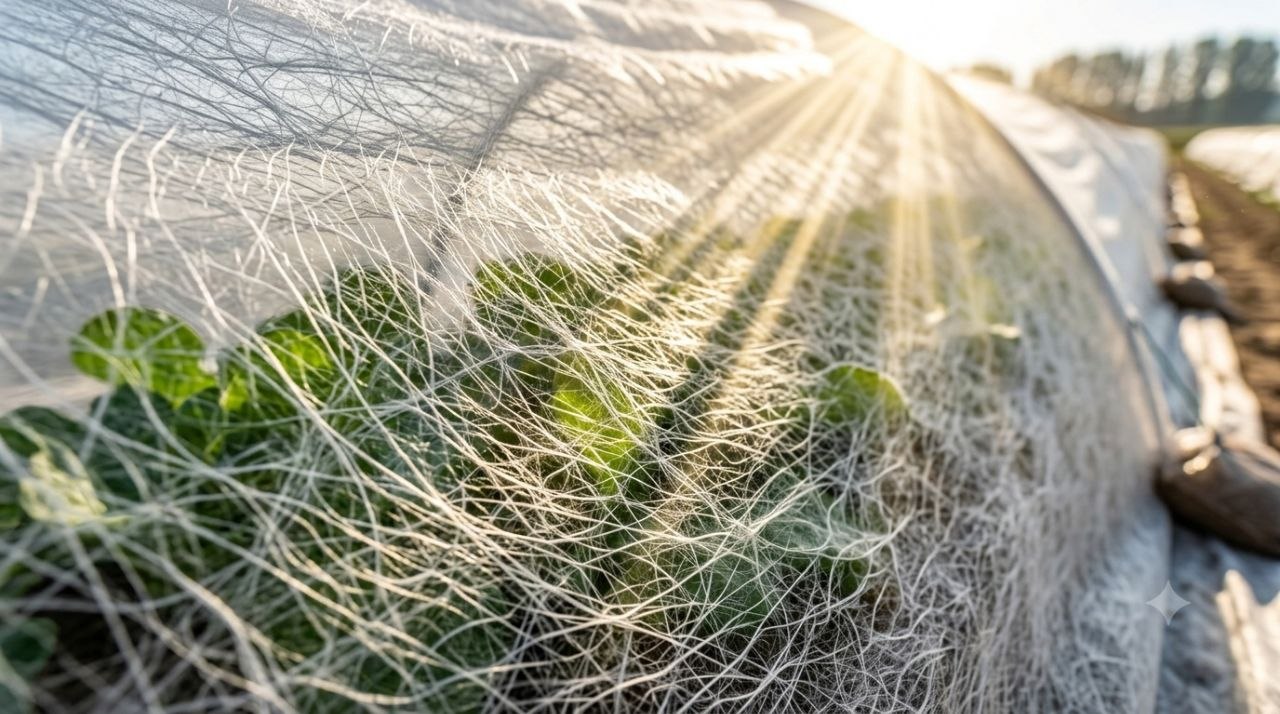
Prolonged exposure to sunlight is one of the biggest challenges for nonwoven materials used in agriculture. Without proper protection, continuous ultraviolet (UV) radiation gradually weakens the polymer structure, reducing the fabric’s strength, flexibility, and service life. For this reason, UV Stabilization is an essential feature of high-quality Agricultural Spunbond Fabric.
During the manufacturing process, specialized UV stabilizers are incorporated into the Polypropylene (PP) resin before the fabric is produced. These additives help protect the polymer chains from degradation caused by prolonged sunlight exposure, allowing the fabric to maintain its mechanical properties throughout the growing season.
The level of UV protection can be customized according to the climate, crop type, and expected period of outdoor use. Agricultural spunbond fabrics designed for regions with intense sunlight generally require higher UV resistance than fabrics used in moderate climates or for short-term seasonal applications.
A properly UV-stabilized fabric provides consistent crop protection while reducing the frequency of material replacement. This not only lowers operating costs but also improves farming efficiency by ensuring reliable performance under demanding environmental conditions.
When selecting Agricultural Spunbond Fabric, growers should consider both the UV stabilization level and the expected service life of the material. Choosing the correct combination helps maximize crop protection, maintain fabric durability, and achieve better long-term value.
| Feature | Benefit |
|---|---|
| Protects Polymer Structure | Prevents premature material degradation |
| Longer Service Life | Extends outdoor usability |
| Better Strength Retention | Maintains tensile performance over time |
| Improved Cost Efficiency | Reduces replacement frequency |
| Reliable Crop Protection | Consistent performance throughout the growing season |
Common GSM Ranges for Agricultural Applications
Selecting the appropriate GSM is one of the most important decisions when choosing Agricultural Spunbond Fabric. The fabric weight directly affects its durability, light transmission, air permeability, and level of crop protection. Choosing the correct GSM helps optimize plant growth while avoiding unnecessary material costs.
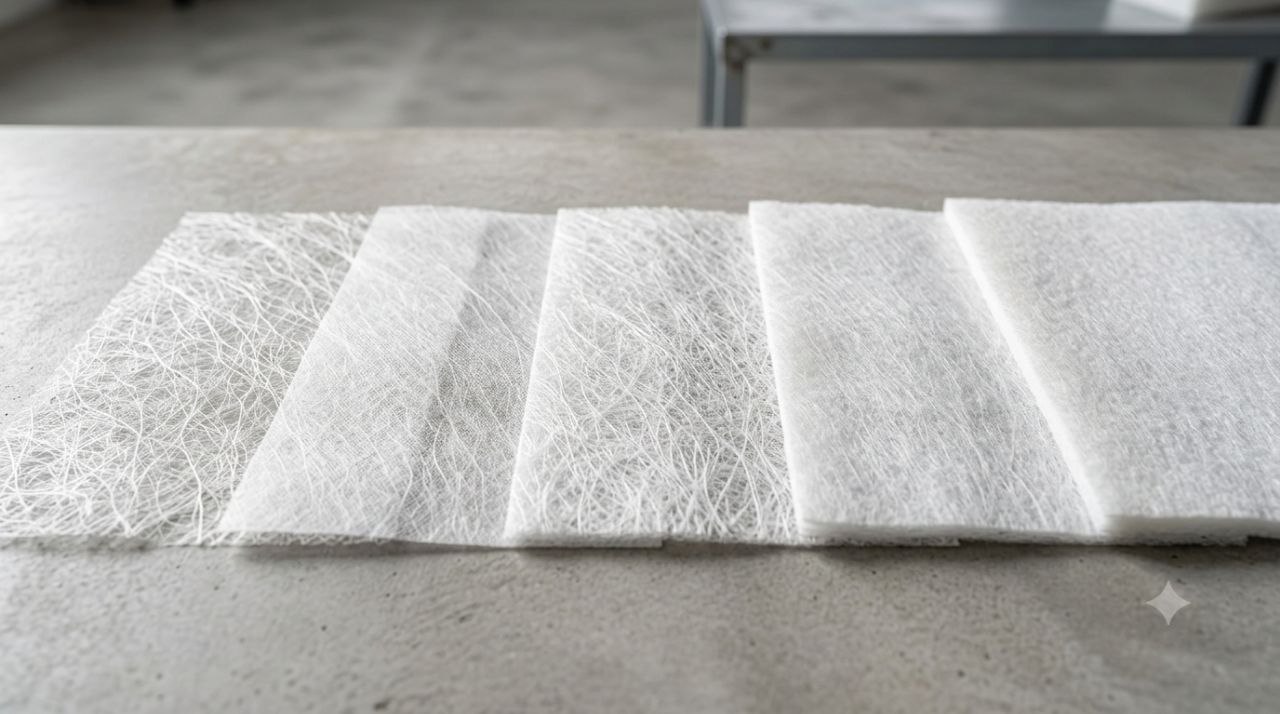
Lightweight agricultural spunbond fabrics are commonly used for seed germination, early plant development, and temporary crop protection. Their high breathability and excellent light transmission create a favourable environment for young plants without restricting natural growth.
Medium GSM fabrics provide an ideal balance between strength and flexibility. They are widely used for vegetable cultivation, fruit production, greenhouse applications, and seasonal frost protection where long-term durability is required.
Heavier GSM grades are selected for demanding agricultural conditions, including areas with strong winds, prolonged outdoor exposure, or applications requiring increased mechanical strength. These fabrics offer enhanced durability while continuing to provide effective airflow and moisture permeability.
The ideal GSM should always be selected based on crop type, local climate, expected service life, UV exposure, and cultivation method. A properly selected Agricultural Spunbond Fabric improves crop performance, extends product lifespan, and increases overall farming efficiency.
| GSM | Typical Application |
|---|---|
| 17 GSM | Seed germination, nursery protection |
| 23 GSM | Frost protection, floating row covers |
| 30 GSM | Vegetable cultivation and crop protection |
| 50 GSM | Greenhouse covers and long-term field protection |
| 60–80 GSM | Weed control, landscaping, heavy-duty agricultural applications |
Applications of Agricultural Spunbond Fabric
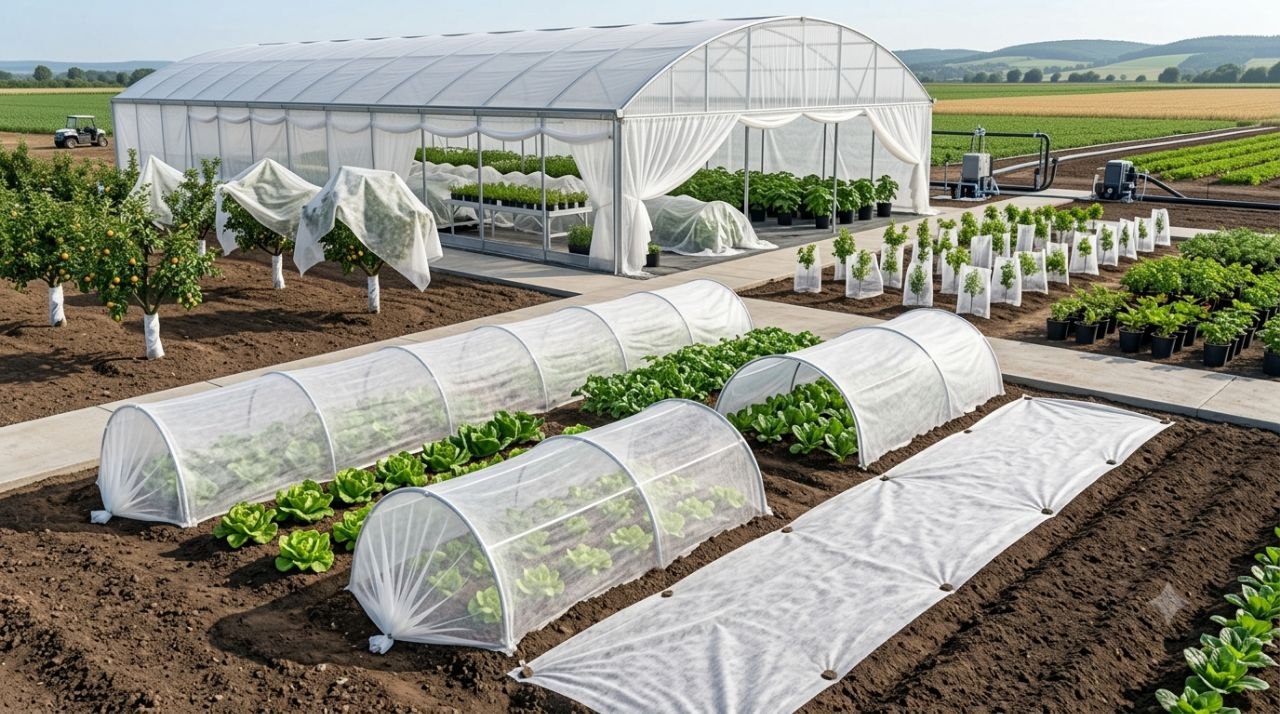
Modern agriculture demands protective materials that improve productivity while reducing crop losses. Agricultural Spunbond Fabric has become an essential solution for growers because it can be adapted to different cultivation methods, climate conditions, and crop types.
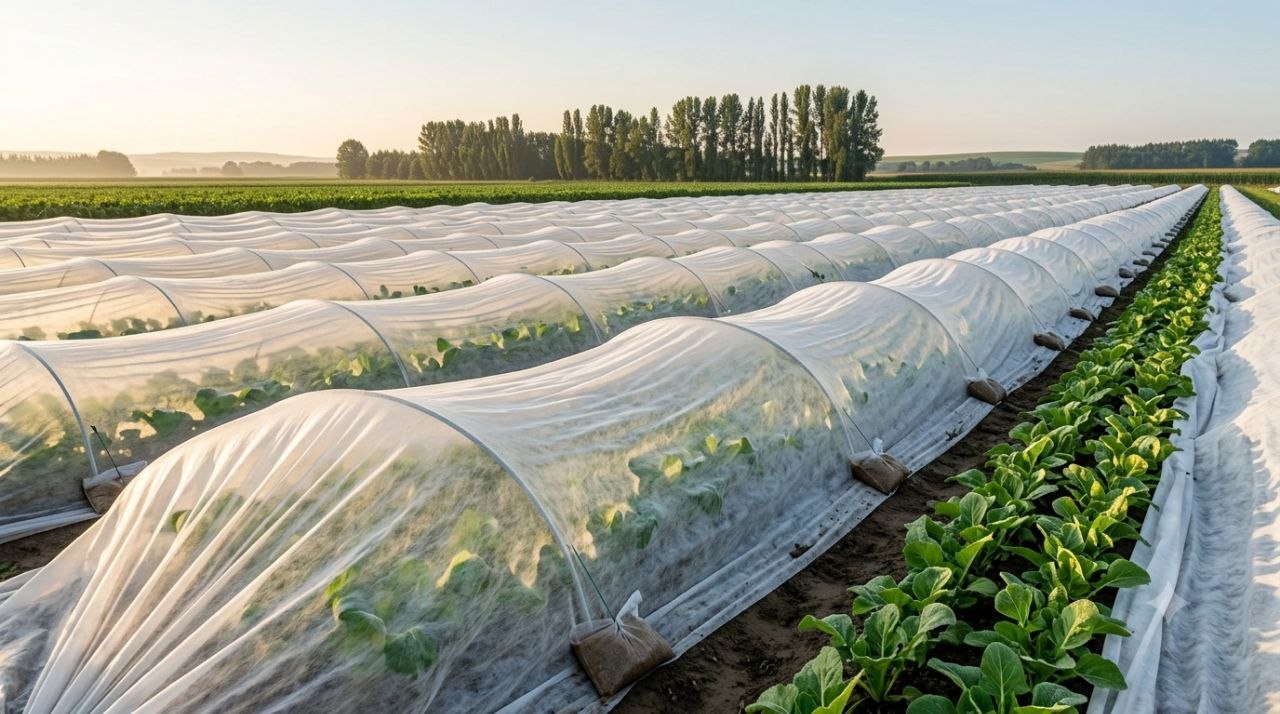
One of its most common applications is as a Floating Row Cover. The lightweight fabric is placed directly over crops without requiring a supporting structure. It protects young plants from frost, wind, insects, and birds while allowing sufficient sunlight, rainfall, and air circulation to maintain healthy growth.
In commercial vegetable production, Crop Cover Fabricis widely used to protect lettuce, cabbage, spinach, tomatoes, peppers, cucumbers, strawberries, melons, and many other crops during their most sensitive growth stages. By creating a stable microclimate, growers can improve germination rates, accelerate plant development, and achieve higher yields.
Inside modern Greenhouses, spunbond fabric serves as an internal thermal screen that helps stabilize temperature fluctuations between day and night. It reduces plant stress, minimizes condensation, and contributes to a more uniform growing environment throughout the cultivation cycle.
Fruit growers also use Agricultural Nonwoven Fabric to protect orchards and vineyards from unexpected spring frost, hail, excessive sunlight, and insect damage. The breathable structure allows continuous air exchange while shielding delicate blossoms and developing fruit from environmental stress.
For weed management, heavier-weightWeed Control Fabric suppresses unwanted vegetation by limiting light penetration while still allowing water and air to reach the soil. This reduces herbicide use, lowers maintenance costs, and supports more sustainable farming practices.
Beyond food production, Agricultural Spunbond Fabric is widely used in landscaping projects, tree nurseries, flower cultivation, forestry, and reforestation programs where reliable soil protection and moisture conservation are essential for healthy plant establishment.
| Application | Primary Benefit |
|---|---|
| Floating Row Covers | Frost, insect and wind protection |
| Vegetable Production | Improved growth and higher yield |
| Greenhouse Cultivation | Temperature stabilization |
| Fruit Orchards | Protection against frost and hail |
| Vineyards | Reduced environmental stress |
| Weed Control | Weed suppression without chemicals |
| Nurseries | Healthy seedling development |
| Landscaping | Soil and moisture protection |
Benefits of Agricultural Spunbond Fabric
The growing adoption of Agricultural Spunbond Fabric is driven not only by its protective capabilities but also by its ability to improve farming efficiency, reduce production costs, and support sustainable agriculture. Compared with conventional plastic films and other crop protection materials, spunbond fabric offers a combination of durability, breathability, and long-term economic value.
One of its greatest advantages is its breathable structure. Unlike impermeable plastic covers, Agricultural Nonwoven Fabric allows continuous air circulation while permitting irrigation water and rainfall to penetrate the fabric naturally. This helps maintain balanced soil moisture, reduces excessive humidity, and minimizes the risk of fungal diseases.
Another important benefit is temperature moderation. During cold nights, the fabric traps a layer of warm air around the crop, reducing frost damage. During hot days, it diffuses intense sunlight and lowers heat stress, creating a more stable microclimate that supports uniform plant growth throughout the season.
When manufactured with UV-Stabilized Polypropylene, the fabric maintains its mechanical strength even after prolonged outdoor exposure. This extended service life reduces replacement frequency and lowers operating costs for commercial farms and greenhouse operators.
The lightweight construction of Polypropylene Spunbond Fabric also makes installation and removal fast and efficient. Farmers can cover large cultivation areas with minimal labour while reducing the risk of damaging delicate seedlings during handling.
Another significant advantage is the reduction in pesticide use. Acting as a physical barrier against insects and some airborne contaminants, the fabric helps decrease pest pressure without restricting crop development. This supports integrated pest management (IPM) strategies and contributes to more environmentally responsible farming practices.
Because the material is available in multiple GSM ranges, roll widths, UV protection levels, and custom specifications, growers can select a solution that matches their crop type, climate conditions, and cultivation method. This flexibility makes Agricultural Spunbond Fabric one of the most reliable crop protection materials used in modern agriculture.
| Benefit | Value for Growers |
|---|---|
| Breathable Structure | Better airflow and healthier crops |
| Water Permeability | Irrigation and rainfall pass through naturally |
| Temperature Moderation | Protection against frost and heat stress |
| UV Resistance | Longer outdoor service life |
| Lightweight | Easy installation and handling |
| Pest Protection | Reduced reliance on chemical pesticides |
| Cost Efficiency | Lower maintenance and replacement costs |
| Customizable Specifications | Suitable for different crops and climates |
How to Choose the Right Agricultural Spunbond Fabric
Why Choose Nasjiran for Agricultural Spunbond Fabric
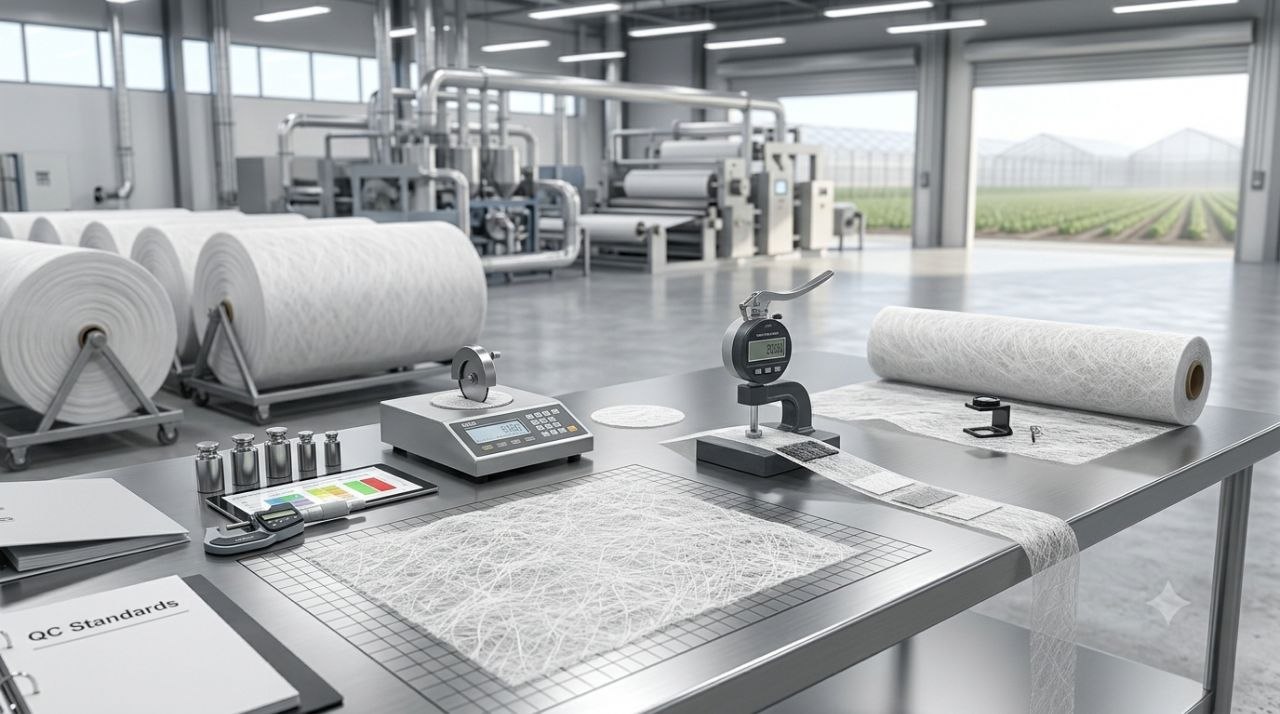
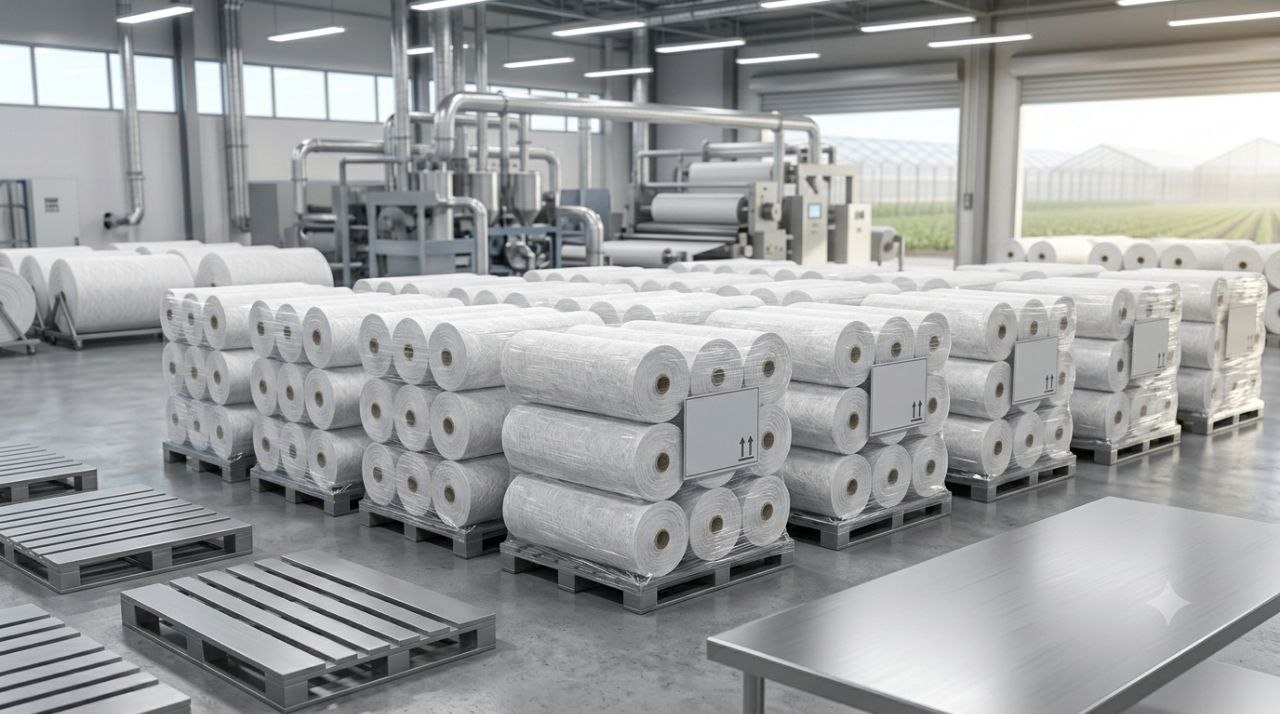
Choosing the right supplier is just as important as selecting the right agricultural fabric. At Nasjiran, we combine advanced manufacturing technology, premium raw materials, and strict quality control to produce Agricultural Spunbond Fabric that meets the performance requirements of professional growers, distributors, and industrial customers.
Our fabrics are manufactured from high-quality Polypropylene Spunbond Fabric using modern production lines that ensure consistent fibre distribution, uniform GSM, and reliable mechanical strength. Every production batch is carefully monitored to maintain stable quality and dependable performance.
To meet the needs of different agricultural applications, Nasjiran offers flexible production options, including multiple GSM ranges, custom roll widths, various colours, and tailored UV-Stabilized Spunbond Fabric solutions designed for different climate conditions and cultivation methods.
With experience serving both domestic and international markets, we understand the technical requirements of agricultural professionals. Our commitment to product consistency, timely production, and customer-focused manufacturing has made Nasjiran a trusted partner for businesses seeking reliable nonwoven solutions.
Whether you require crop protection fabrics for open-field farming, greenhouse cultivation, nurseries, orchards, or landscaping projects, Nasjiran provides high-quality agricultural spunbond fabric designed to deliver long-term performance and value.
| Advantage | Customer Benefit |
|---|---|
| Premium PP Raw Materials | Consistent product quality |
| Modern Production Lines | Uniform GSM and fibre distribution |
| Custom Manufacturing | Tailored widths, GSM, and colours |
| UV-Stabilized Solutions | Reliable outdoor performance |
| Strict Quality Control | Stable production quality |
| Export Experience | Reliable international supply |
Frequently Asked Questions (FAQ)
### What is Agricultural Spunbond Fabric?
Agricultural Spunbond Fabric is a breathable nonwoven material manufactured from Polypropylene Spunbond Fabric. It is designed to protect crops from frost, insects, wind, and excessive sunlight while allowing air, water, and light to pass through. It is widely used in open-field farming, greenhouses, nurseries, and orchards.
### What GSM is best for Agricultural Spunbond Fabric?
The ideal GSM depends on the application. Lightweight fabrics around 17–23 GSM are commonly used for floating row covers and frost protection, while 30–50 GSM fabrics are suitable for greenhouse applications and long-term crop protection. Heavier GSM grades are often selected for Weed Control Fabric and landscaping projects.
### Is Agricultural Spunbond Fabric waterproof?
No. Agricultural Spunbond Fabric is water-permeable rather than waterproof. Rainfall and irrigation can pass through the fabric, allowing crops to receive sufficient moisture while maintaining proper airflow.
### How long does UV-stabilized Agricultural Spunbond Fabric last?
The service life depends on the UV stabilization level, climate conditions, and exposure to sunlight. High-quality UV-Stabilized Spunbond Fabric can maintain its strength and performance throughout one or more growing seasons when used under appropriate conditions.
### Can Agricultural Spunbond Fabric be reused?
Yes. Premium-quality Agricultural Spunbond Fabric can often be reused if it is handled carefully, cleaned properly after use, and stored in a dry environment away from direct sunlight when not in service.
### What crops can be protected with Agricultural Spunbond Fabric?
It is suitable for a wide variety of crops, including vegetables, strawberries, melons, herbs, flowers, nursery plants, vineyards, and fruit orchards. The appropriate GSM and UV protection level should be selected based on the crop type and local climate.
Conclusion
Agricultural Spunbond Fabric has become an essential crop protection solution for modern agriculture by combining durability, breathability, and long-term cost efficiency in a single nonwoven material. Unlike conventional plastic covers, it creates a balanced growing environment that protects crops while allowing air, water, and sunlight to reach the plants naturally.
Manufactured from Polypropylene Spunbond Fabric and enhanced with UV stabilization, the material helps reduce frost damage, minimise heat stress, protect against insects, and improve overall crop performance. Its availability in different GSM ranges, roll widths, and custom specifications makes it suitable for open-field cultivation, greenhouse production, orchards, vineyards, nurseries, and landscaping projects.
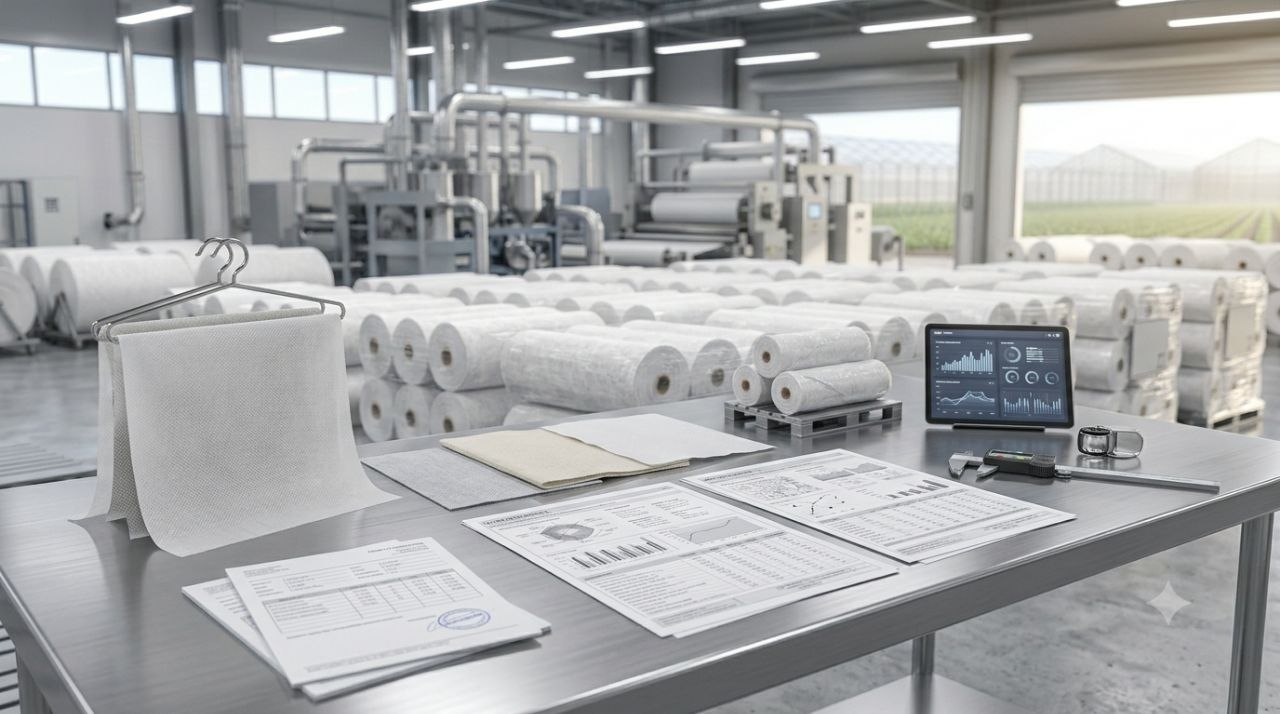
Selecting the appropriate fabric according to crop type, climate conditions, and cultivation method is essential for achieving the best results. Factors such as GSM, UV resistance, raw material quality, and manufacturing consistency directly influence both service life and crop protection performance.
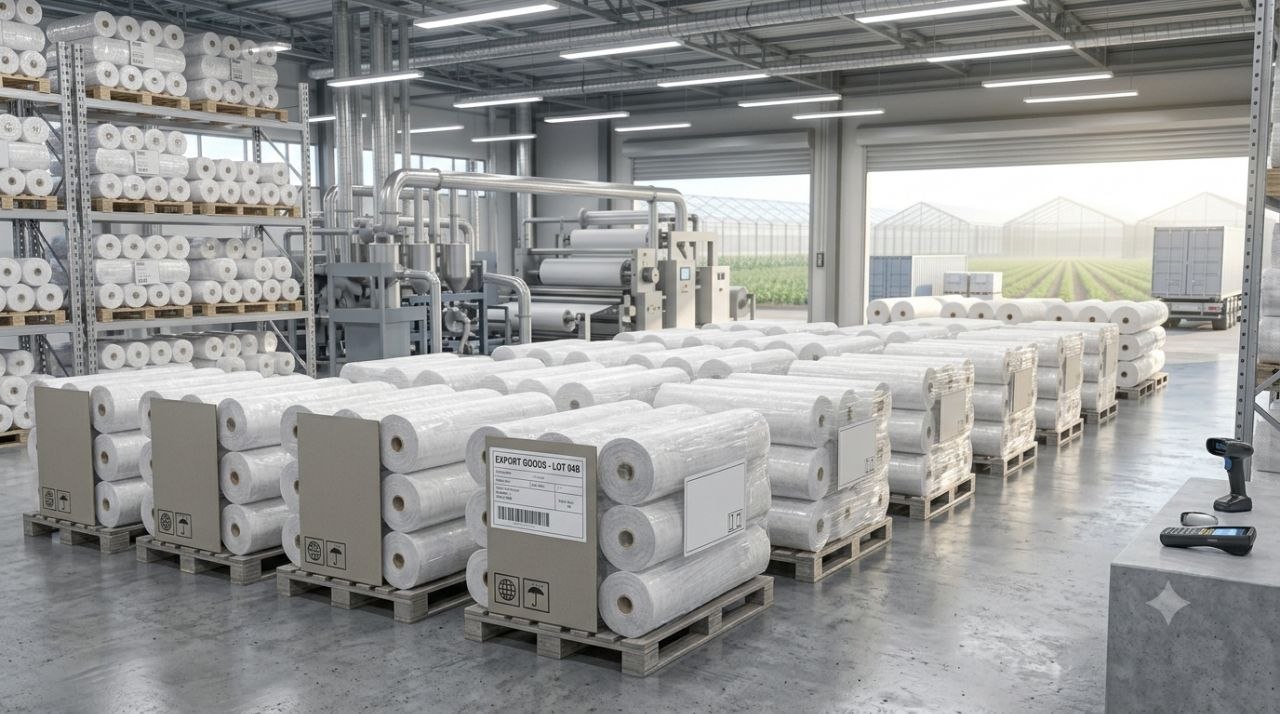
At Nasjiran, we manufacture premium Agricultural Spunbond Fabric using high-quality polypropylene raw materials and advanced production technology. With flexible customization options, strict quality control, and export-ready production capabilities, we provide reliable nonwoven solutions for agricultural professionals and distributors worldwide.
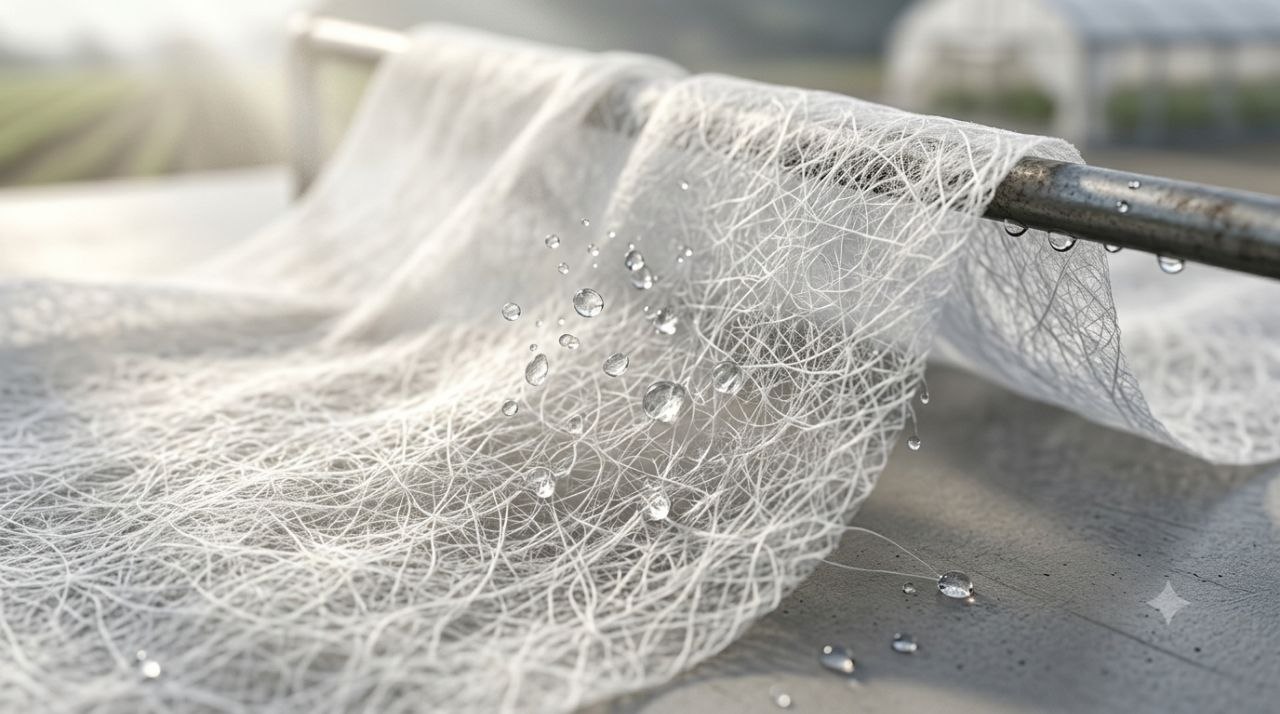
Selecting the right Agricultural Spunbond Fabric requires more than simply choosing a fabric with the lowest price. Crop type, climate conditions, cultivation method, expected service life, and material quality all play a critical role in achieving reliable field performance.
The first factor to evaluate is the GSM (Grams per Square Meter). Lightweight fabrics are ideal for floating row covers and seed germination, while medium and heavier grades are better suited for long-term crop protection, greenhouse cultivation, and weed control. Choosing an unsuitable GSM may reduce plant protection or increase production costs unnecessarily.
The second consideration is UV Stabilization. Agricultural fabrics remain under direct sunlight for extended periods, making UV resistance essential. High-quality UV-stabilized fabrics retain their strength, flexibility, and protective performance throughout the growing season, reducing the need for frequent replacement.
Raw material quality is equally important. Fabrics manufactured from Virgin Polypropylene (PP) provide better tensile strength, fibre uniformity, and long-term durability than products made with low-quality recycled materials. Consistent raw materials also improve fabric appearance and overall performance.
Growers should also consider Roll Width and Roll Length according to their cultivation system and installation equipment. Selecting the correct dimensions reduces material waste, shortens installation time, and improves operational efficiency.
Another important factor is selecting a supplier with proven manufacturing expertise. A reliable producer should offer consistent quality control, custom GSM options, UV stabilization levels, multiple roll widths, and technical support for different agricultural applications.
By carefully evaluating these factors, growers and distributors can choose Agricultural Spunbond Fabric that delivers reliable crop protection, longer service life, and greater return on investment.
| Selection Factor | Why It Matters |
|---|---|
| GSM | Determines protection level and durability |
| UV Stabilization | Extends outdoor service life |
| Virgin PP Quality | Improves strength and consistency |
| Roll Width & Length | Reduces waste and installation time |
| Tensile Strength | Better resistance to tearing |
| Breathability | Supports healthy crop growth |
| Reliable Manufacturer | Ensures consistent quality and supply |