How to Choose the Right Spunbond Nonwoven Fabric for Your Industry
Understanding UV-Enhanced Spunbond
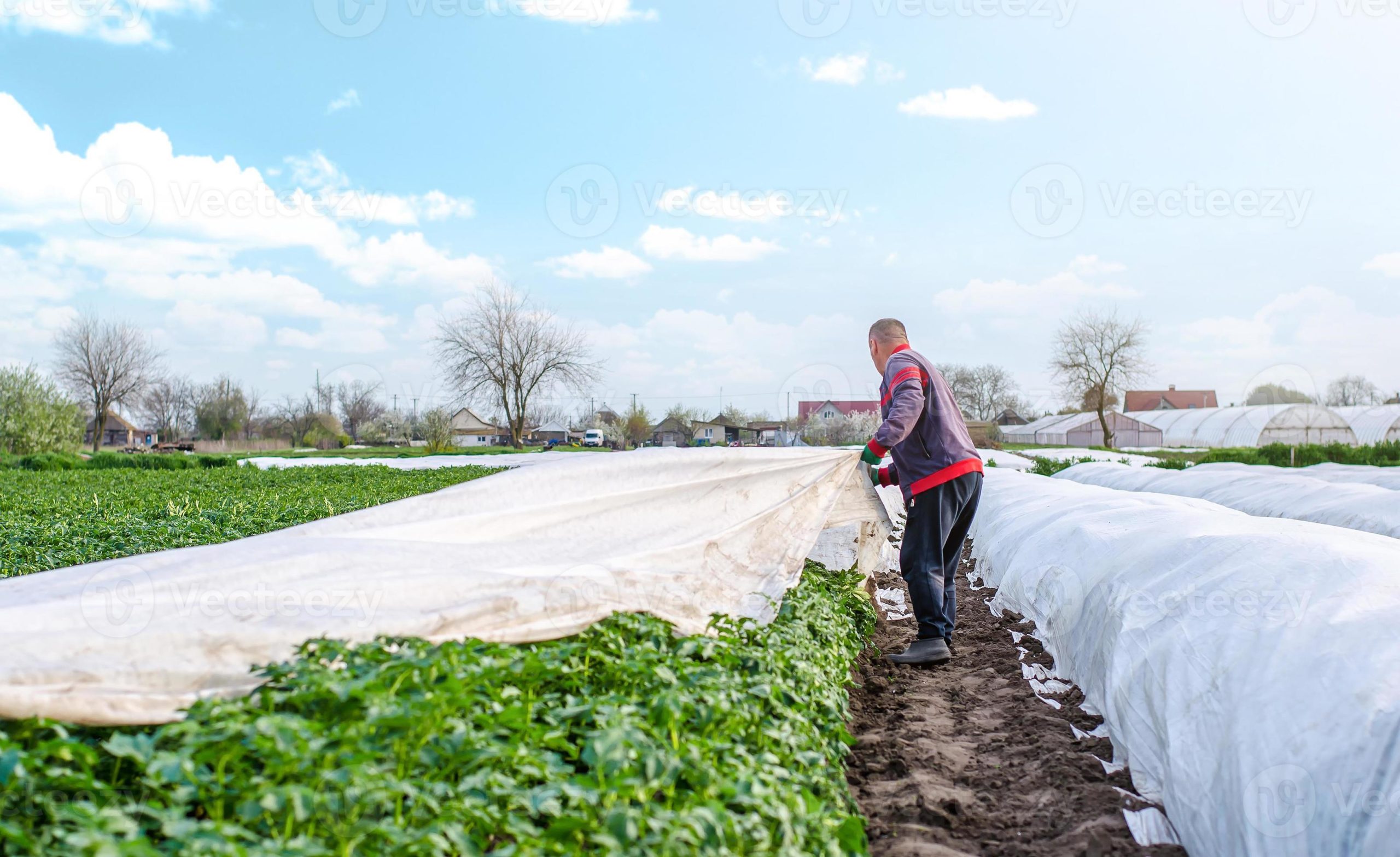
Spunbond is a type of nonwoven fabric made from continuous polymer filaments, bonded together for strength and flexibility. What sets UV-enhanced spunbond apart is the addition of ultraviolet (UV) stabilizers during production.
These additives prevent degradation caused by prolonged sunlight exposure, ensuring the fabric maintains its protective qualities even in harsh outdoor conditions. Unlike traditional greenhouse covers or plastic sheets, UV-enhanced spunbond is lightweight, breathable, and resistant to tearing — making it a long-lasting solution for crop protection.

Benefits for Greenhouse Farming
One of the primary advantages of UV-enhanced spunbond is its ability to filter harmful UV rays while still allowing sufficient sunlight for photosynthesis. This ensures that plants receive the light they need to grow healthy and strong, without the risk of leaf burn or stress caused by overexposure to ultraviolet radiation. By maintaining optimal growing conditions, farmers can increase both the quantity and quality of their harvests
Why Fabric Durability Reduces Long-Term Costs
The fabric’s durability reduces the need for frequent replacements. Traditional polyethylene or plastic covers often deteriorate quickly under intense sun and fluctuating temperatures, leading to additional costs and labor.
With UV-enhanced spunbond, greenhouse operators enjoy a reliable, reusable material that provides consistent protection season after season.
need for frequent replacements
In addition, the fabric’s durability reduces the need for frequent replacements. Traditional polyethylene or plastic covers often deteriorate quickly under intense sun and fluctuating temperatures, leading to additional costs and labor. With UV-enhanced spunbond, greenhouse operators enjoy a reliable, reusable material that provides consistent protection season after season
Applications Across Agriculture
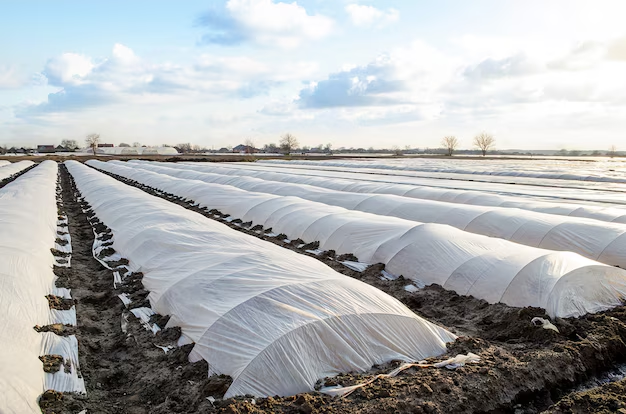
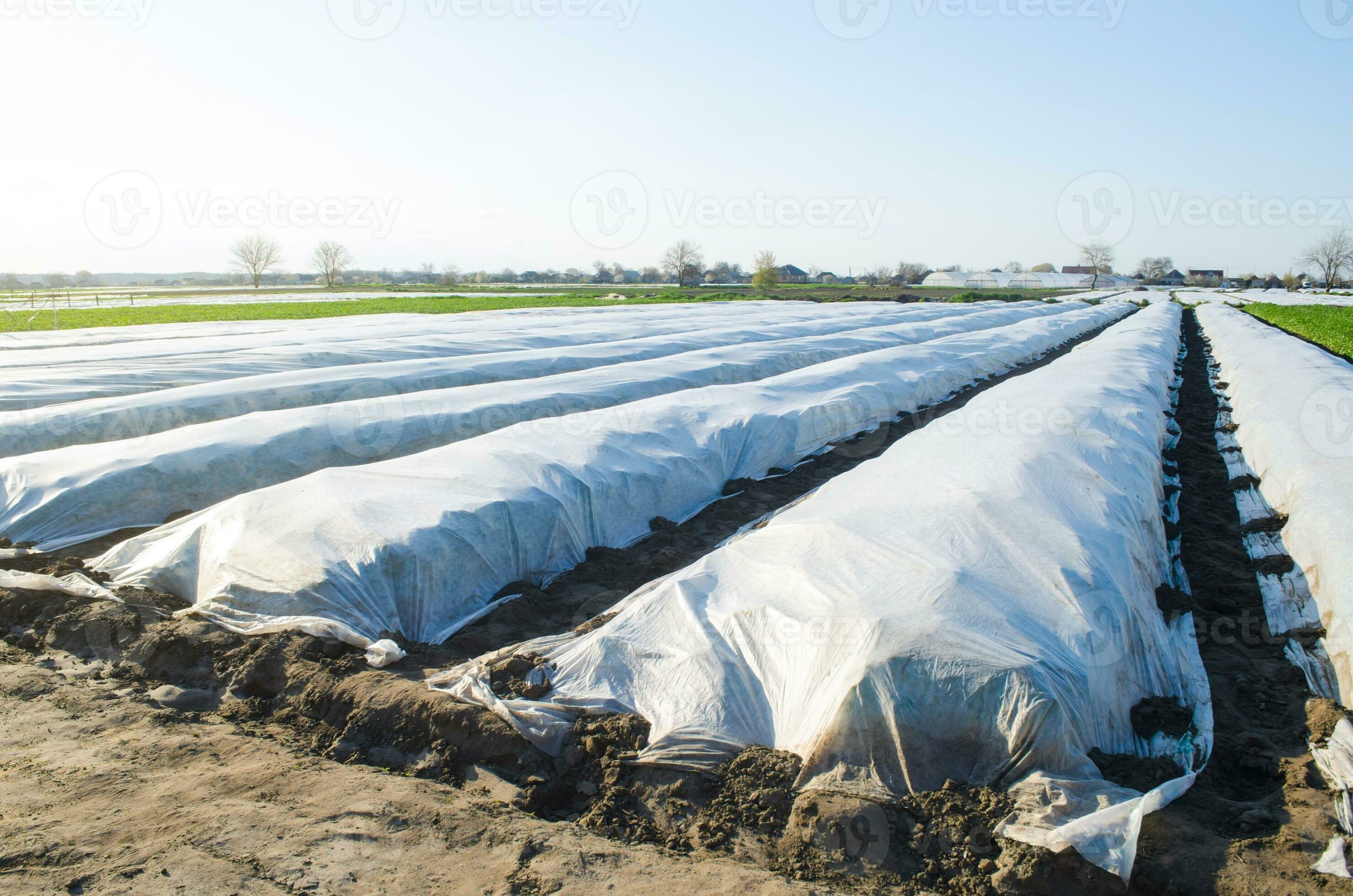
UV-enhanced spunbond is highly versatile. In small-scale greenhouses, it offers an easy-to-install solution that protects seedlings and delicate plants from harsh weather conditions. For larger commercial operations, it can cover extensive greenhouse structures, shielding crops from excessive heat wind, and pests. Some farmers also use it as ground cover or mulch to reduce soil moisture loss and suppress weeds, further improving crop management
Moreover, the lightweight nature of spunbond makes handling and installation much simpler compared to heavier fabrics or plastic alternatives. This reduces labor costs and allows for quick adjustments as needed, which is especially valuable during changing weather patterns
Practical Tips for Using UV - Enhanced Spunbond
To maximize the benefits of UV-enhanced spunbond, it is important to consider proper installation and maintenance. Ensuring that the fabric is taut and free of wrinkles will maintain consistent light distribution across plants. Periodic cleaning can prevent dust or debris from reducing light penetration
Additionally, storing the fabric in a dry, shaded area when not in use prolongs its lifespan, making it a cost-effective investment over multiple growing seasons
Conclusion
UV-enhanced spunbond is revolutionizing greenhouse farming by offering a combination of protection, durability, and sustainability. It allows plants to thrive under controlled yet natural light conditions, extends crop lifespan, and reduces long-term operational costs. For farmers targeting export markets, this innovation also supports sustainable practices and meets the rising global demand for high-quality produce
In an era where efficiency, sustainability, and crop quality are paramount, UV-enhanced spunbond represents a practical and innovative solution. By adopting this technology, greenhouse operators can confidently protect their crops, optimize yields, and position themselves competitively in both domestic and international markets