Spunbond Fabric for Shopping Bags: A Complete Guide to Materials, GSM & Manufacturing
Introduction
Reusable shopping bags have become an essential alternative to single-use plastic bags as businesses and consumers focus on sustainability and environmental responsibility. Among the various materials available, polypropylene spunbond fabric has become one of the most popular choices because of its durability, lightweight structure, cost-effectiveness, and excellent printing performance.
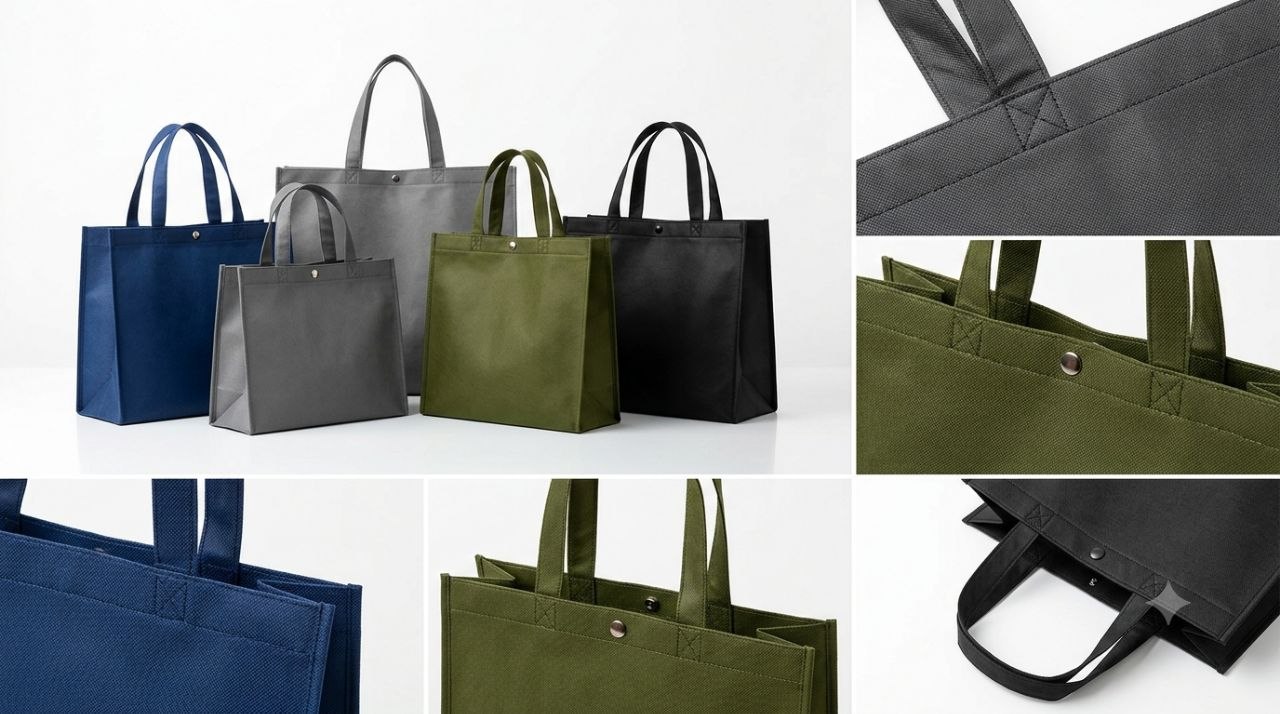
Manufacturers worldwide use spunbond nonwoven fabric to produce reusable shopping bags for supermarkets, retail stores, exhibitions, promotional campaigns, and packaging applications. The material offers high tensile strength while remaining lightweight, making it ideal for repeated daily use.
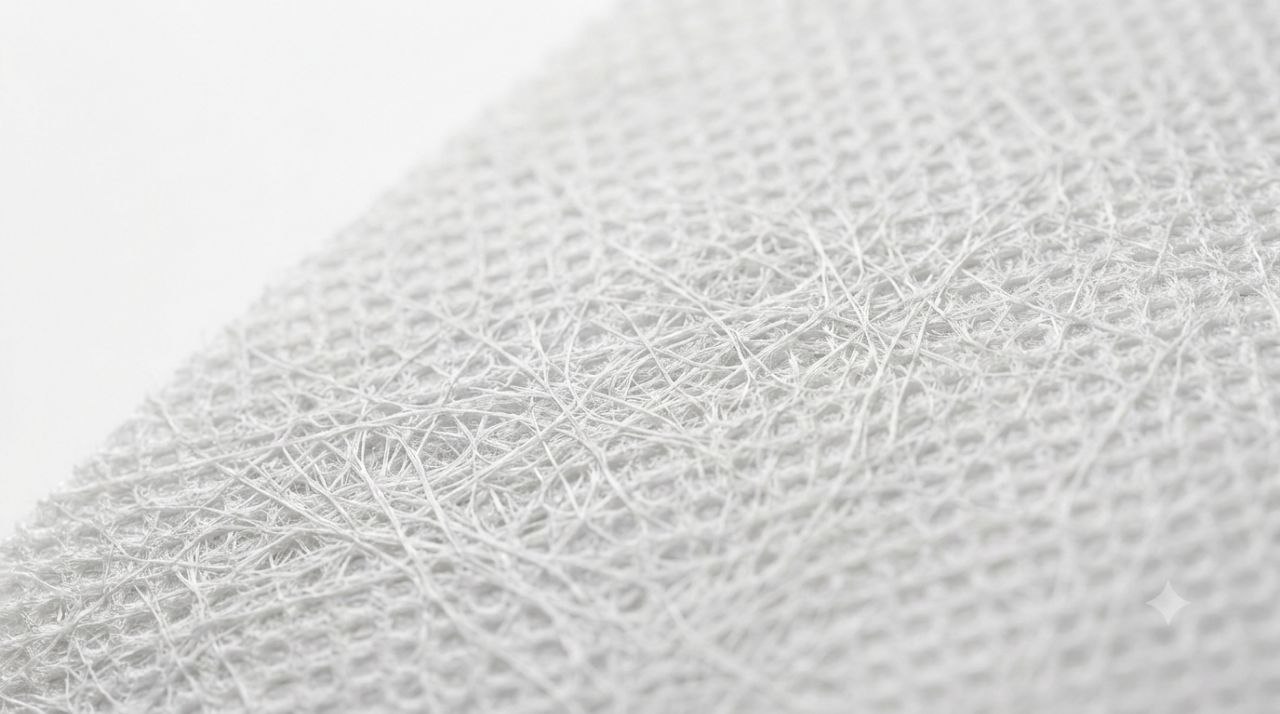
Different surface finishes are also available depending on the desired appearance and application. For example, many premium reusable bags are manufactured using embossed spunbond fabric, which provides an attractive texture and improved visual quality while maintaining the same mechanical performance.
Selecting the correct fabric requires understanding several factors such as GSM, roll width, printing compatibility, durability, and intended application. Businesses looking for reliable materials should also consider product quality, consistency, and manufacturing standards when choosing a supplier.
This guide explains everything you need to know about spunbond fabric for shopping bags, including material properties, manufacturing methods, recommended GSM, printing techniques, industrial applications, and how to choose the right supplier for your business.
WhaWhat Is Spunbond Fabric for Shopping Bags?t Is Embossed Spunbond Fabric
Reusable shopping bags have become an essential alternative to single-use plastic bags as businesses and consumers focus on sustainability and environmental responsibility. Among the various materials available, PP spunbond nonwoven fabric has become one of the most popular choices because of its durability, lightweight structure, cost-effectiveness, and excellent printing performance.
Manufacturers worldwide use spunbond nonwoven fabric to produce reusable shopping bags for supermarkets, retail stores, exhibitions, promotional campaigns, and packaging applications. The material offers high tensile strength while remaining lightweight, making it ideal for repeated daily use.
Different surface finishes are also available depending on the desired appearance and application. For example, many premium reusable bags are manufactured using **embossed spunbond fabric**, which provides an attractive texture and improved visual quality while maintaining the same mechanical performance.
Selecting the correct fabric requires understanding several factors such as GSM, roll width, printing compatibility, durability, and intended application. Businesses looking for reliable materials should also consider product quality, consistency, and manufacturing standards when choosing a supplier.
This guide explains everything you need to know about spunbond fabric for shopping bags, including material properties, manufacturing methods, recommended GSM, printing techniques, industrial applications, and how to choose the right supplier for your business.
Why Polypropylene Spunbond Fabric Is the Best Choice for Shopping Bags
Polypropylene (PP) spunbond fabric has become the preferred material for manufacturing reusable shopping bags because it combines durability, lightweight performance, and cost efficiency. Compared with paper, woven fabrics, and disposable plastic materials, spunbond fabric offers an excellent balance between strength and flexibility, making it ideal for everyday shopping bags.
Its lightweight structure allows manufacturers to produce durable bags without adding unnecessary weight. Despite being light, polypropylene spunbond fabric provides excellent tensile and tear strength, enabling shopping bags to carry groceries, clothing, promotional products, and other retail items safely.
Another major advantage is its moisture resistance. Unlike paper bags that can lose strength when exposed to water or humidity, spunbond fabric maintains its performance in different environmental conditions. This makes reusable shopping bags suitable for both indoor and outdoor use.
The fabric also offers excellent printability. Businesses can easily print company logos, promotional messages, and custom graphics using screen printing, flexographic printing, or other commercial printing methods. As a result, reusable shopping bags have become an effective branding and advertising tool for retailers around the world
How to Choose the Right Spunbond Nonwoven Fabric
- Lightweight but durable
- High tensile strength
- Tear resistant
- Moisture resistant
- Excellent printability
- Reusable
- Recyclable
- Cost-effective
- Available in different GSM options
- Suitable for custom colors and sizes
Best GSM for Shopping Bags
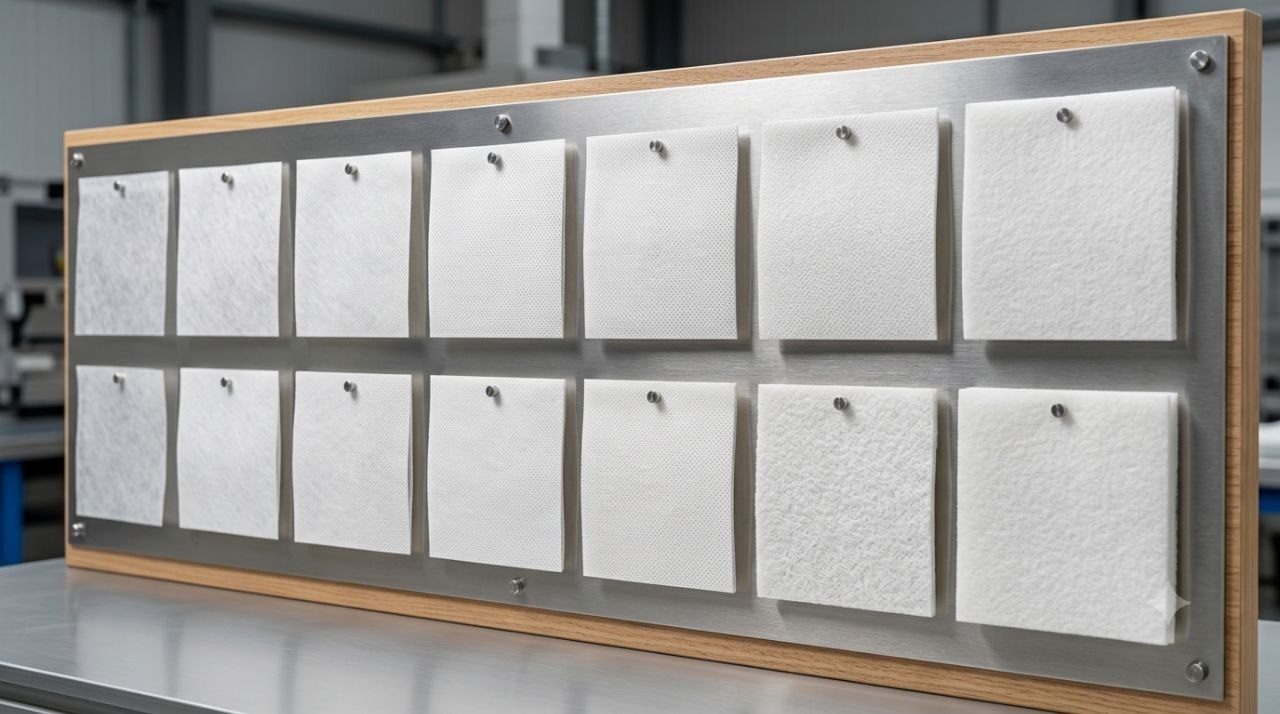
Selecting the correct GSM (grams per square meter) is one of the most important factors when manufacturing reusable shopping bags. GSM directly affects the strength, thickness, flexibility, and overall durability of the final product. Choosing the wrong GSM may result in bags that are either too weak for heavy loads or unnecessarily expensive to produce.
For lightweight promotional bags distributed at exhibitions or marketing events, fabrics between 20 and 30 GSM are usually sufficient. These bags are designed for short-term use and lightweight products, making lower GSM materials a cost-effective option.
Retail stores, supermarkets, and clothing brands generally prefer fabrics ranging from 40 to 60 GSM. This range provides an excellent balance between durability, appearance, and production cost, making it the most common choice for reusable shopping bags worldwide.
For applications requiring higher strength, such as grocery shopping or carrying heavier products, 70 to 90 GSM spunbond fabric is recommended. These fabrics offer improved tear resistance and can withstand repeated daily use without losing their structural integrity.
Premium reusable bags designed for industrial applications or luxury retail packaging often use fabrics above 100 GSM. These bags provide maximum durability, a premium appearance, and an extended service life.
Businesses should carefully evaluate the intended application, expected load capacity, and printing requirements before selecting the most appropriate fabric weight. Choosing the right spunbond fabric not only improves product performance but also reduces manufacturing costs and increases customer satisfaction.
| GSM | Recommended Application |
|---|---|
| 20–30 GSM | Promotional bags & exhibitions |
| 40–60 GSM | Retail shopping bags |
| 70–90 GSM | Grocery & heavy-duty shopping bags |
| 100+ GSM | Premium reusable bags & industrial packaging |
Manufacturing Process of Spunbond Fabric for Shopping Bags
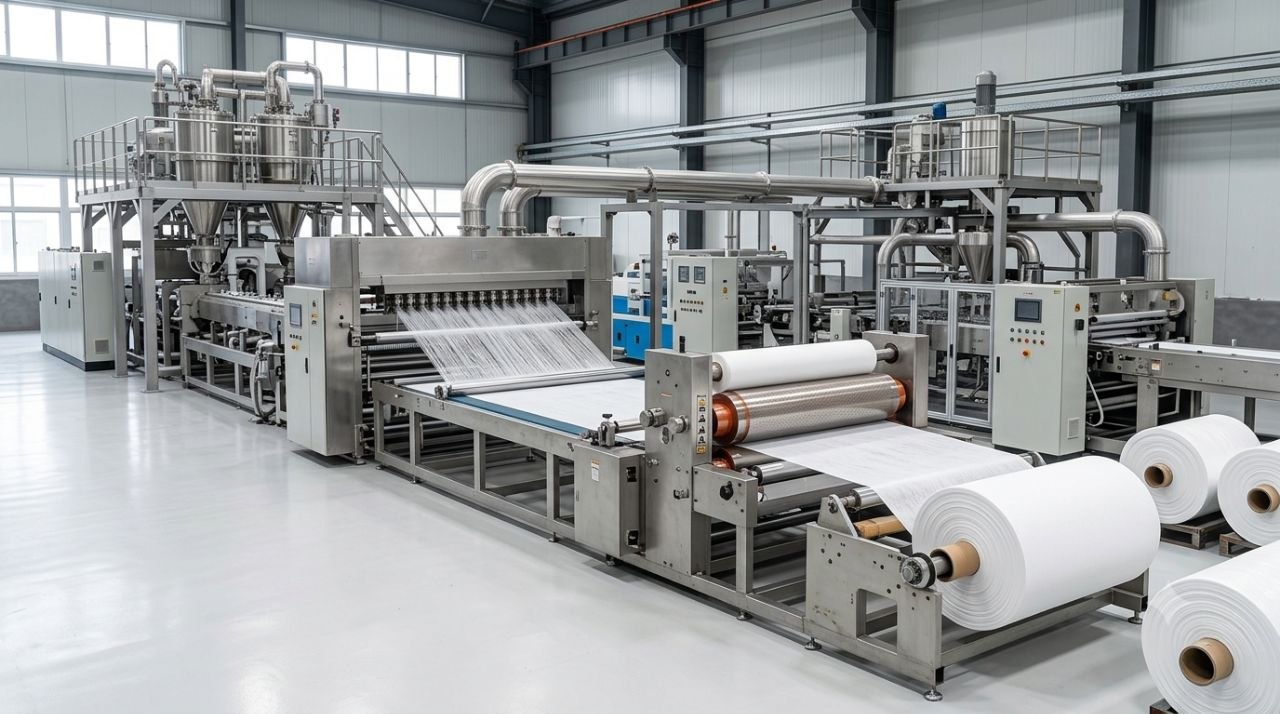
The quality of reusable shopping bags depends not only on the raw materials but also on the manufacturing process used to produce the spunbond fabric. Modern production lines utilize advanced technology to ensure consistent fabric quality, uniform thickness, and excellent mechanical properties.
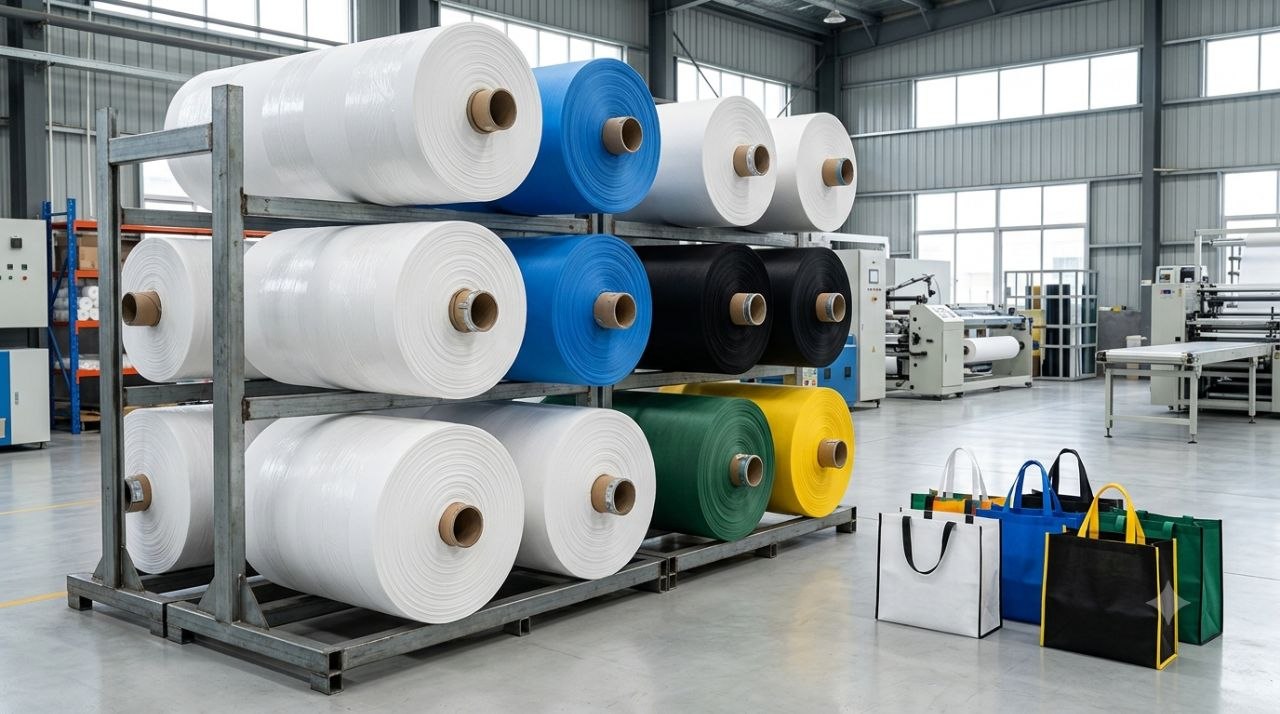
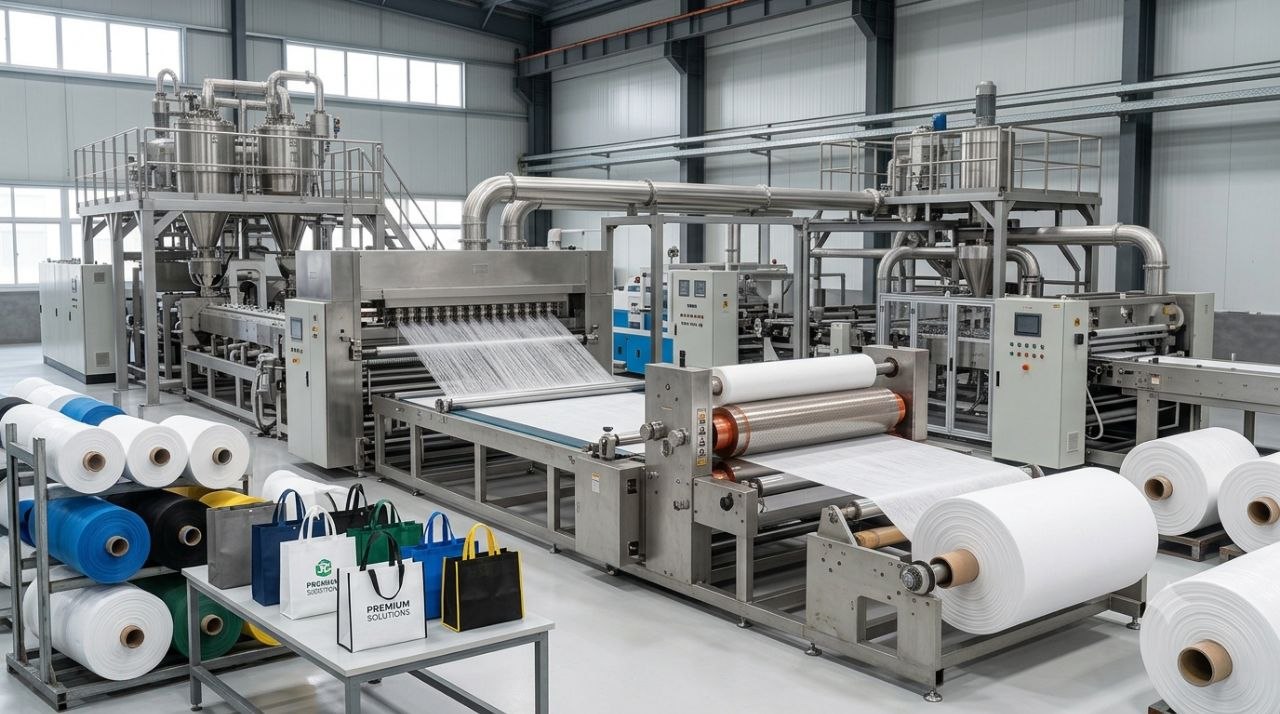
The process begins with polypropylene (PP) resin, which is melted at high temperatures and extruded through spinnerets to create thousands of continuous filaments. These fine filaments are carefully stretched to improve their strength before being laid randomly onto a moving conveyor belt.
The continuous web then passes through heated calender rollers, where heat and pressure permanently bond the fibers together. This thermal bonding process creates a strong, lightweight, and breathable nonwoven fabric without the need for weaving or knitting.
After bonding, the fabric is wound into large rolls and inspected to ensure consistent GSM, thickness, color, and tensile strength. Depending on customer requirements, manufacturers may also produce embossed spunbond fabric to improve surface texture and provide a more premium appearance for reusable shopping bags.
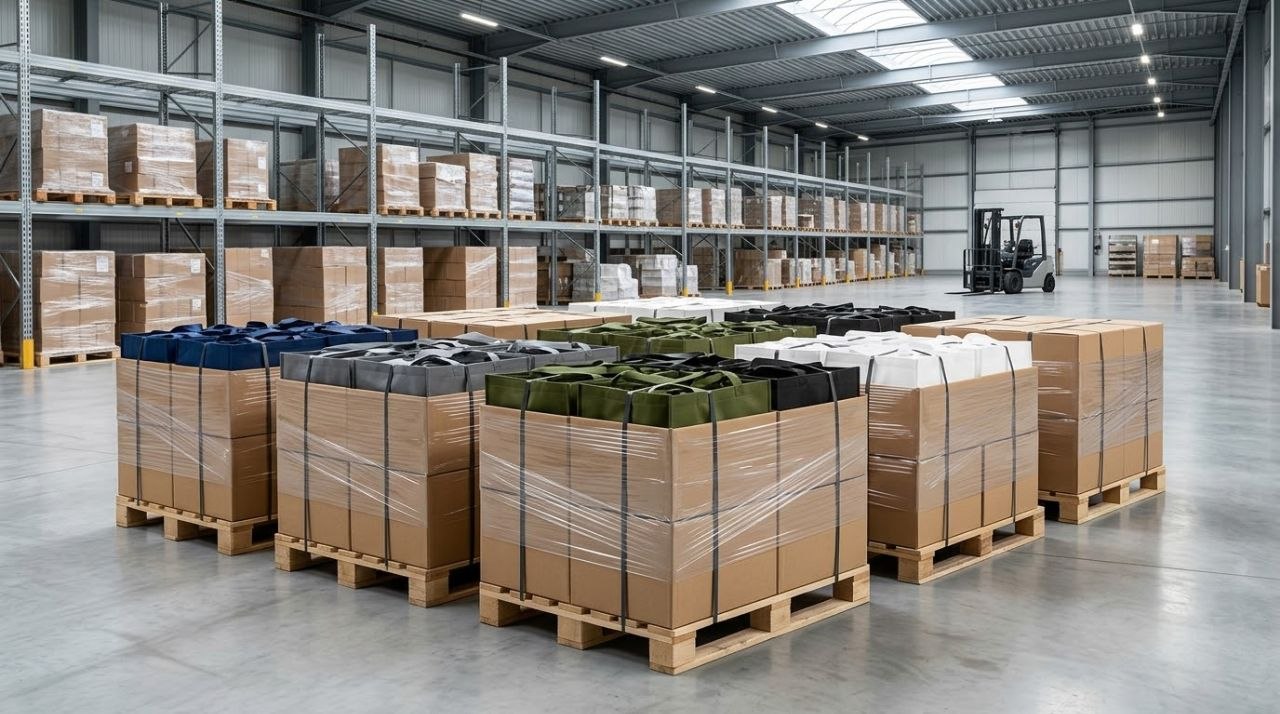
Finally, the finished fabric is cut into the required roll widths, packaged, and prepared for delivery to shopping bag manufacturers around the world. High-quality production standards help ensure excellent printing performance, long service life, and reliable product consistency
Production Process
- Raw material preparation (PP resin)
- Polymer melting
- Filament extrusion
- Filament stretching
- Web formation
- Thermal bonding
- Surface embossing (optional)
- Quality inspection
- Slitting and rewinding
- Packaging and shipment
Printing Options for Spunbond Shopping Bags
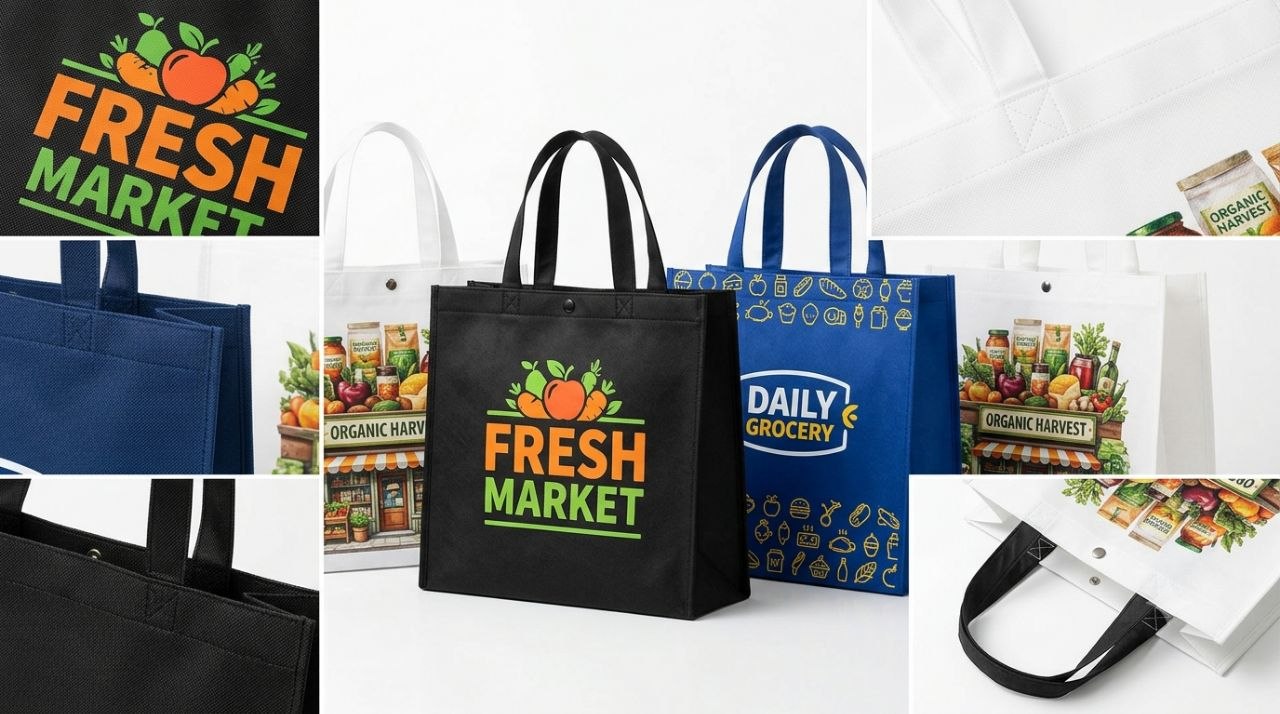
Spunbond fabric is widely recognized for its excellent printability, making it one of the most popular materials for reusable shopping bags. Businesses use printed shopping bags not only for carrying products but also as an effective marketing tool that increases brand visibility and customer recognition.
Several printing methods can be used depending on the bag design, production volume, and budget. Screen printing is one of the most common techniques for reusable shopping bags because it produces vibrant colors and durable prints. It is particularly suitable for simple logos, promotional messages, and solid-color artwork.
For high-volume production, flexographic printing offers fast printing speeds and consistent quality. This method is commonly used for large retail orders where efficiency and cost-effectiveness are essential.
Businesses requiring detailed graphics, photographs, or complex color combinations may choose offset printing or advanced digital printing technologies. These methods provide higher image quality and greater design flexibility for premium shopping bags.
The printing quality also depends on selecting the appropriate fabric weight, surface finish, and material quality. Embossed spunbond fabric provides an attractive textured appearance that enhances the visual impact of printed designs while maintaining excellent durability.
Choosing the right printing method allows manufacturers to produce shopping bags that combine functionality, attractive branding, and long-lasting performance.
| Printing Method | Best For |
|---|---|
| Screen Printing | Logos and simple graphics |
| Flexographic Printing | Large production volumes |
| Offset Printing | High-quality commercial graphics |
| Digital Printing | Custom and full-color designs |
Applications of Spunbond Fabric for Shopping Bags
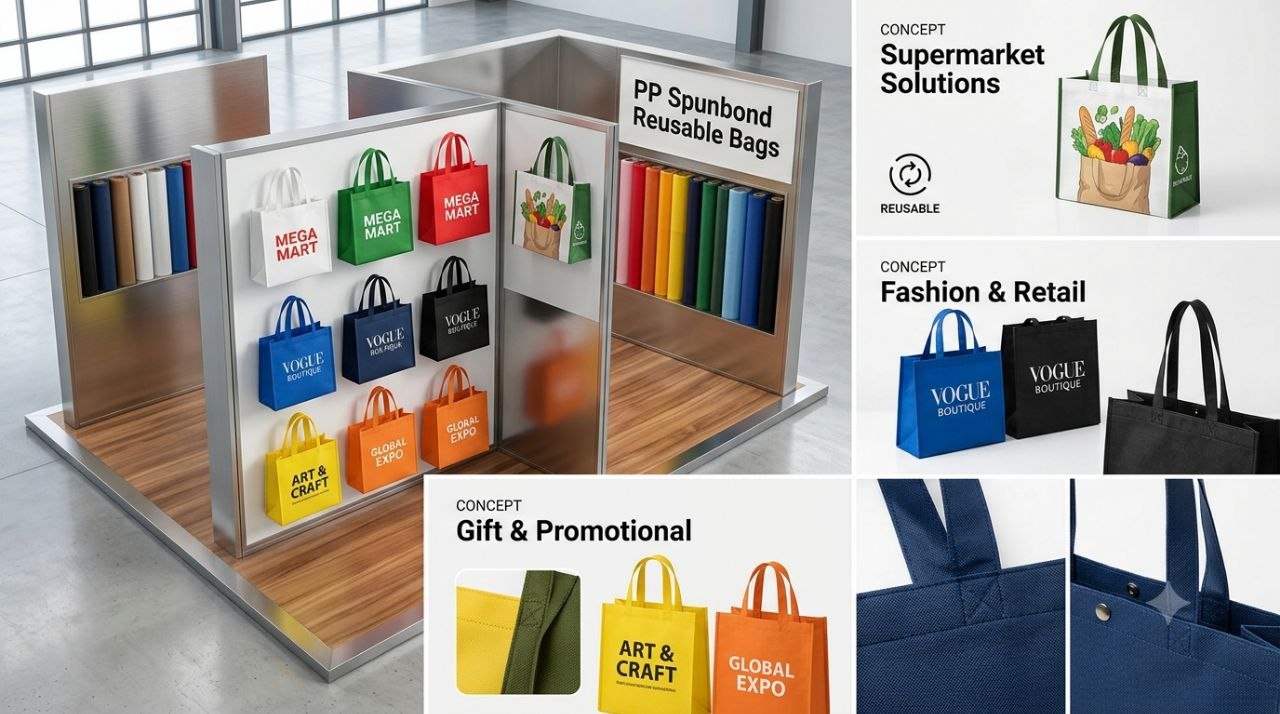
The versatility of spunbond fabric makes it suitable for a wide range of shopping bag applications across different industries. Its combination of strength, lightweight construction, and affordability allows businesses to replace traditional plastic bags with reusable alternatives while maintaining excellent product performance.
Retail stores are among the largest users of spunbond shopping bags. Fashion brands, clothing boutiques, and department stores often provide reusable bags that improve the customer experience while increasing brand exposure through custom printing.
Supermarkets and grocery stores also rely on spunbond shopping bags because they are durable enough to carry food, beverages, and household products without tearing. Their reusable nature helps businesses reduce plastic waste and meet growing environmental regulations.
Many companies use reusable shopping bags as promotional products during exhibitions, trade shows, conferences, and corporate events. A professionally printed bag continues to advertise the brand long after the event has ended, making it a cost-effective marketing investment.
Gift shops and luxury retailers frequently choose embossed spunbond fabric for premium packaging because its textured surface creates a more elegant appearance while maintaining the strength required for everyday use.
With various colors, widths, and GSM options available, spunbond fabric can be customized to meet the specific requirements of different industries and international markets.
Common Applications
- Retail shopping bags
- Supermarket bags
- Grocery bags
- Fashion store bags
- Promotional bags
- Exhibition bags
- Gift bags
- Corporate event bags
- Luxury packaging
- Reusable carry bags
How to Choose the Right Spunbond Fabric for Shopping Bags
Choosing the right spunbond fabric is essential for producing high-quality reusable shopping bags that meet both functional and commercial requirements. Selecting the wrong material can increase production costs, reduce product durability, and negatively affect customer satisfaction. Before placing an order, businesses should evaluate several important factors.
The first factor is GSM (fabric weight). Lightweight bags for promotional campaigns usually require lower GSM, while supermarkets and grocery stores often need stronger fabrics capable of carrying heavier products. Selecting the correct GSM ensures the best balance between performance and cost.
The second consideration is fabric width. Manufacturers should choose a roll width that minimizes material waste during the bag-cutting process. Optimizing fabric width helps improve production efficiency and reduce manufacturing expenses.
Surface finish is another important factor. Embossed spunbond fabric provides a textured appearance that enhances product presentation and improves the visual quality of reusable shopping bags. Plain fabric, on the other hand, is often selected for simple and economical packaging solutions.
Printing compatibility should also be considered before production begins. Businesses planning to print logos, promotional graphics, or advertising messages should ensure that the selected fabric provides excellent ink adhesion and consistent print quality.
Finally, buyers should work with an experienced manufacturer capable of delivering consistent quality, customized specifications, and reliable export services. A trusted supplier helps ensure that every production batch meets international quality standards and customer expectations.
Buyer’s Checklist
✅ Choose the correct GSM
✅ Select the appropriate roll width
✅ Decide between plain or embossed fabric
✅ Confirm printing compatibility
✅ Check color consistency
✅ Verify tensile strength
✅ Request quality certificates
✅ Choose an experienced manufacturer
Why Choose Nasjiran for Spunbond Fabric
Choosing the right supplier is just as important as selecting the right material. A reliable manufacturer ensures consistent fabric quality, stable production, and dependable delivery, helping businesses reduce costs and maintain customer satisfaction.
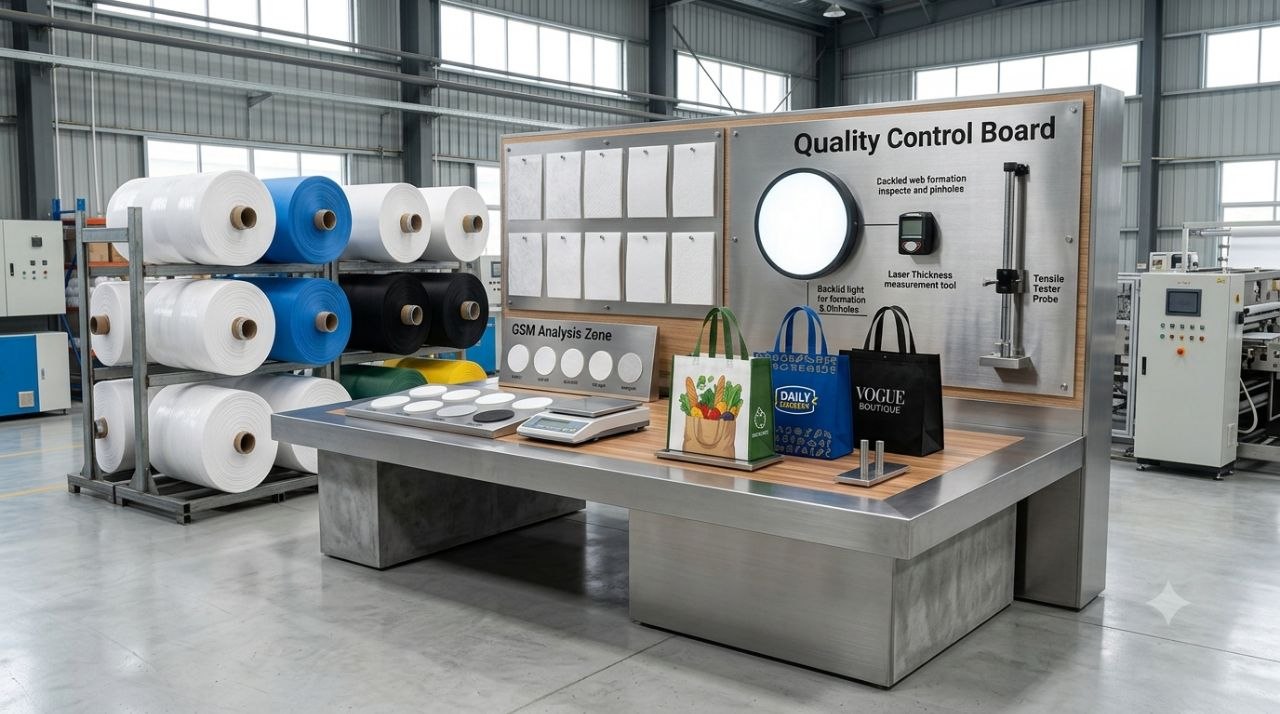
Nasjiran has years of experience in manufacturing high-quality polypropylene spunbond nonwoven fabrics for domestic and international markets. By combining modern production technology with strict quality control procedures, the company produces fabrics that meet the requirements of various industries, including reusable shopping bags, furniture, hygiene products, medical textiles, packaging, and industrial applications.
The company offers a wide range of fabric specifications, including different GSM options, roll widths, colors, and surface finishes. Whether customers require plain or embossed spunbond fabric, customized solutions can be produced according to specific project requirements.
Quality control is implemented throughout every stage of production, from raw material selection to final inspection and packaging. This ensures that every roll delivers consistent performance, excellent tensile strength, and reliable printability.
With a strong commitment to customer satisfaction, competitive pricing, and international export services, Nasjiran continues to supply spunbond fabric to customers in different countries while maintaining high manufacturing standards and on-time delivery.
Why Customers Choose Nasjiran
✔ High-quality polypropylene raw materials
✔ Modern production lines
✔ Wide GSM range
✔ Custom colors
✔ Plain & embossed fabric
✔ Multiple roll widths
✔ Strict quality control
✔ Competitive pricing
✔ Reliable international supply
Frequently Asked Questions (FAQ)
What is the best GSM for reusable shopping bags?
The ideal GSM depends on the intended application. Promotional bags usually use fabrics between 20 and 30 GSM, while retail shopping bags commonly require 40 to 60 GSM. Heavy-duty reusable bags often use fabrics ranging from 70 to 90 GSM, and premium shopping bags may exceed 100 GSM.
Is polypropylene spunbond fabric waterproof?
Polypropylene spunbond fabric is naturally water-resistant, meaning it does not easily absorb moisture. This makes it an excellent material for reusable shopping bags used in supermarkets, retail stores, and outdoor environments.
Can spunbond shopping bags be printed?
Yes. Spunbond shopping bags can be printed using screen printing, flexographic printing, offset printing, and other commercial printing techniques. High-quality printing helps businesses promote their brand while providing customers with durable reusable bags.
What is the lifespan of a spunbond shopping bag?
A high-quality shopping bag manufactured from polypropylene spunbond fabric can be reused hundreds of times when used under normal conditions. The lifespan depends on the GSM, manufacturing quality, and load capacity.
What colors are available?
Manufacturers can produce spunbond fabric in a wide range of standard and custom colors to match customer branding requirements and packaging designs.
Can I order customized roll widths and GSM?
Yes. Nasjiran offers customized spunbond fabric in different GSM values, roll widths, colors, and surface finishes based on customer specifications.
Is embossed spunbond fabric suitable for shopping bags?
Yes. Embossed spunbond fabric provides a premium textured appearance while maintaining the strength, durability, and printability required for reusableshopping bags.
Does Nasjiran export spunbond fabric internationally?
Yes. Nasjiran supplies high-quality polypropylene spunbond fabric to customers in domestic and international markets, offering customized production, quality control, and export-ready packaging solutions.
Conclusion
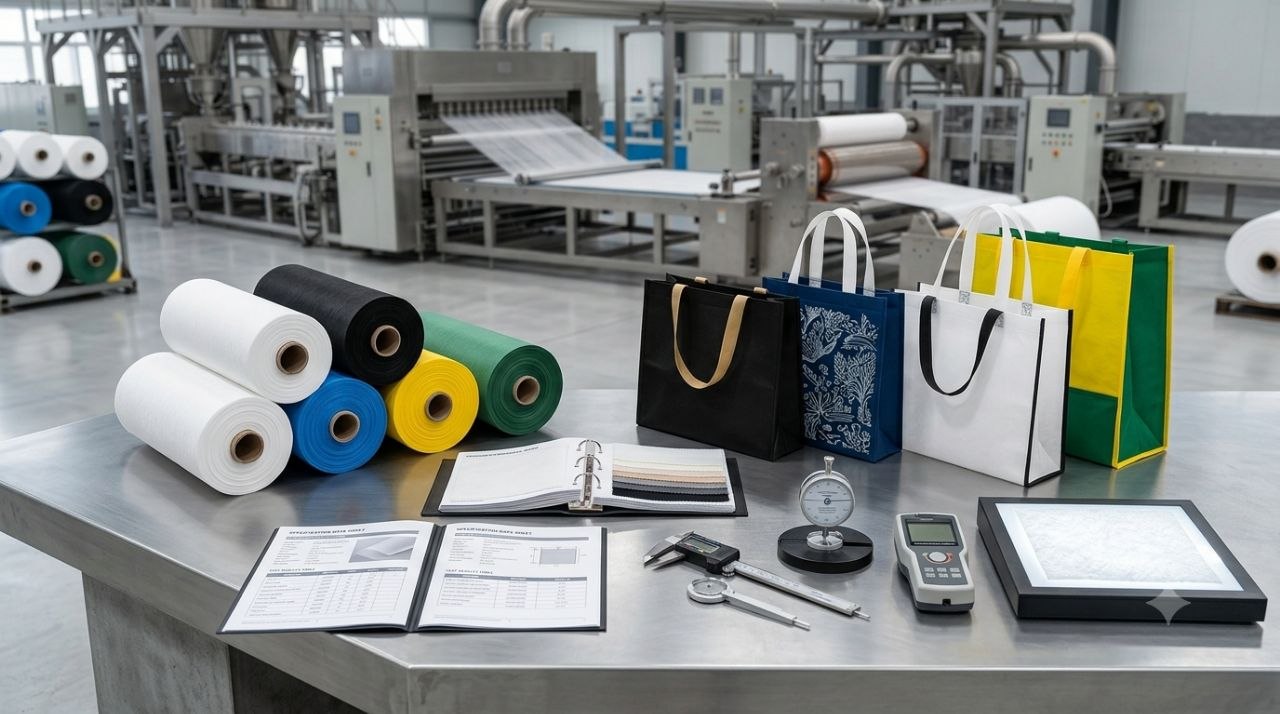
Choosing the right material is one of the most important factors in producing durable, cost-effective, and environmentally friendly reusable shopping bags. Polypropylene spunbond fabric offers an excellent combination of strength, lightweight performance, moisture resistance, printability, and long service life, making it the preferred choice for manufacturers and retailers worldwide.
Whether your business requires promotional shopping bags, supermarket bags, fashion retail packaging, or premium reusable bags, selecting the correct GSM, fabric specifications, and manufacturing quality will directly impact the final product’s performance and customer satisfaction.
Choosing the right spunbond fabric is essential for achieving the best balance between durability, appearance, and production cost. Working with an experienced manufacturer also ensures consistent quality, reliable supply, and customized production based on your business requirements.
As a trusted manufacturer, Nasjiran supplies high-quality polypropylene spunbond nonwoven fabric in various GSM options, colors, roll widths, and surface finishes for domestic and international customers. Every production batch is manufactured under strict quality control standards to deliver reliable performance across different industries.
Contact Nasjiran today to discuss your project requirements, request technical information, or receive a quotation for your next spunbond fabric order.