Polypropylene (PP) Spunbond Fabric: Complete Guide
Introduction
Polypropylene (PP) spunbond fabric is one of the most widely used nonwoven materials across numerous industries due to its lightweight structure, excellent durability, cost-effectiveness, and outstanding versatility. Manufactured using advanced spunbond technology, this fabric provides an ideal balance of strength, breathability, and consistent performance for both disposable and reusable applications.
Today, Polypropylene Spunbond Fabric is extensively used in medical products, shopping bags, agricultural crop covers, furniture, mattress manufacturing, packaging, and many other industrial sectors. Its ability to be produced in various GSM ranges, colors, widths, and ٍٍEmbossed patterns makes it one of the most flexible nonwoven materials available on the global market.
This comprehensive guide explains what polypropylene spunbond fabric is, how it is manufactured, its key properties, common applications, recommended GSM ranges, and the most important factors to consider when selecting the right material for your business.
Finding a reliable spunbond fabric manufacturer for export is harder than it looks. Hundreds of suppliers claim to offer “the best quality” — but very few can prove it with consistent production, documentation, and on-time delivery.
This guide breaks down exactly what separates a trustworthy spunbond manufacturer from a risky one, so you can evaluate any supplier with confidence — including us.
What Is Polypropylene Spunbond Fabric
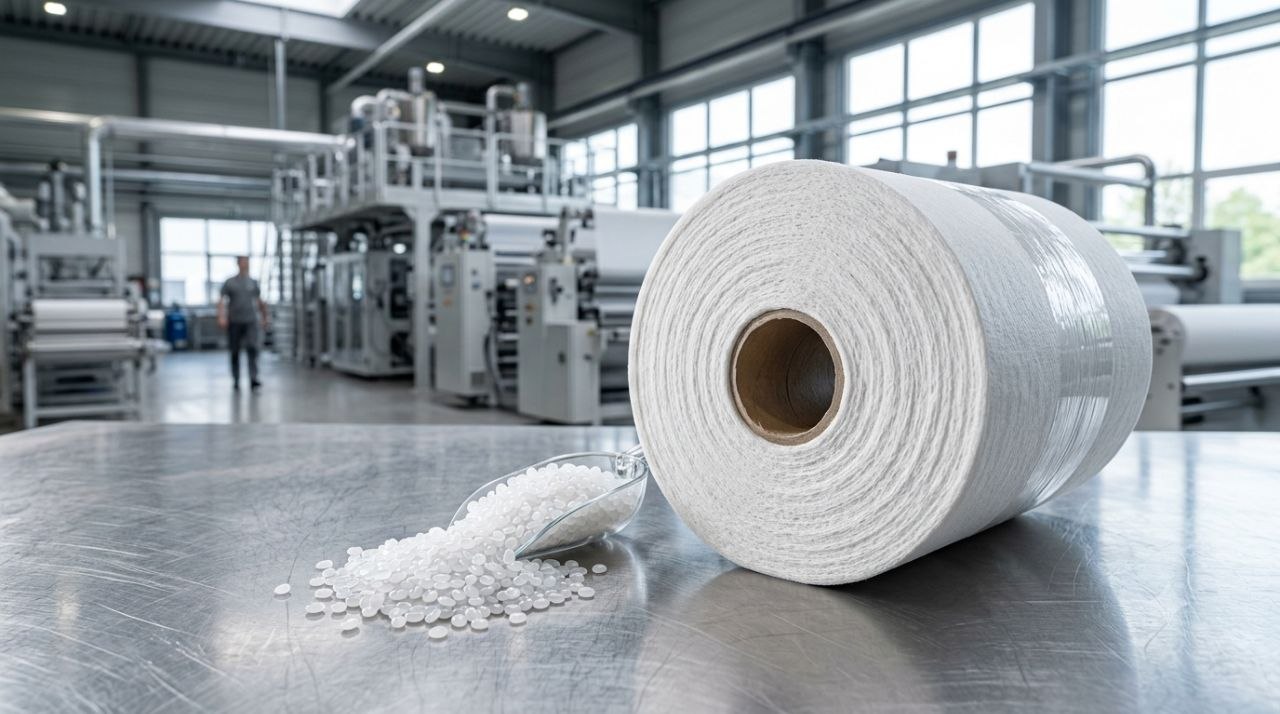
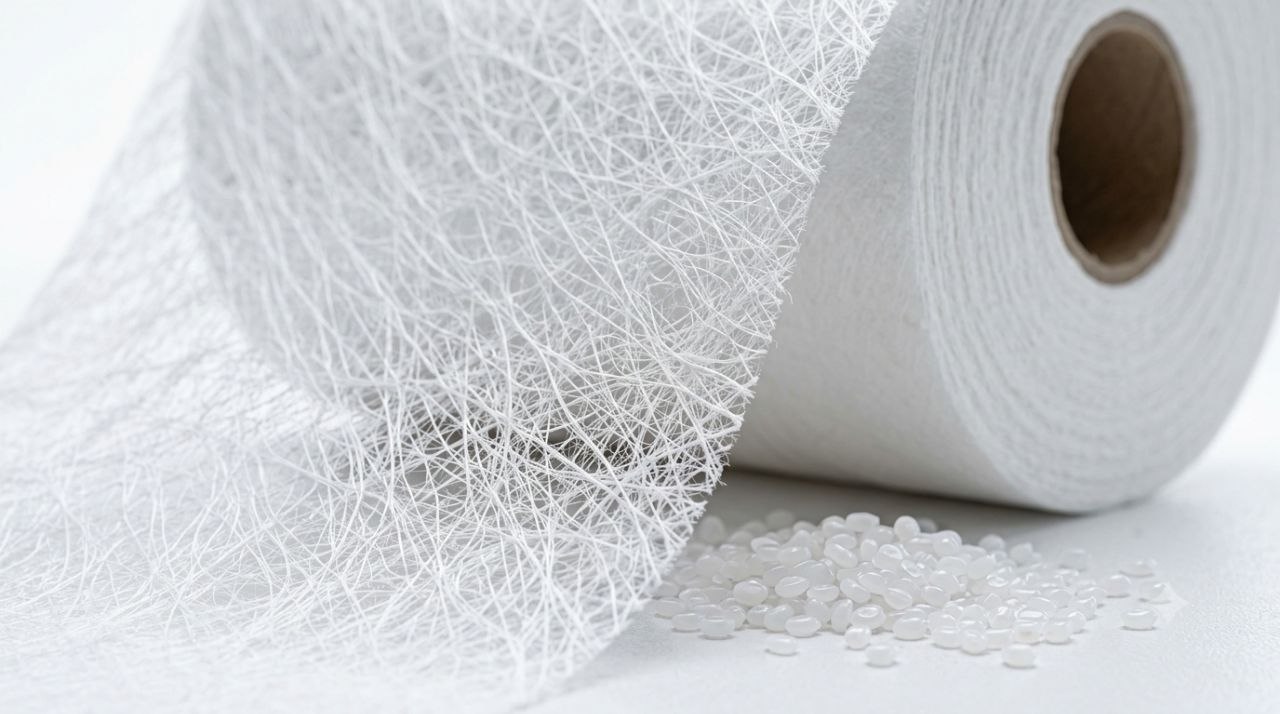
Polypropylene (PP) spunbond fabric is a type of nonwoven material manufactured from Polypropylene (PP)resin using advancedSpunbond Technology. Unlike traditional woven or knitted textiles, spunbond fabric is produced by continuously extruding molten polypropylene into fine filaments, which are stretched, laid into a uniform web, and thermally bonded together to create a durable and breathable fabric.
The result is a lightweight, strong, and cost-effective material that offers excellent mechanical performance, chemical resistance, and moisture resistance. Because of these properties, Polypropylene Spunbond Fabric has become one of the most widely used nonwoven materials across medical, agricultural, industrial, packaging, furniture, and consumer product applications.
Depending on the intended use, polypropylene spunbond fabric can be manufactured in a wide range of GSM values, roll widths, colors, and surface finishes. It can also be combined with other nonwoven technologies, such as Meltblown Fabric, to produce high-performanceSMS Nonwoven Fabric and SMMS Nonwoven Fabric for demanding filtration and healthcare applications.
Today, manufacturers worldwide rely on PolypropyleneSpunbond Fabric because it provides an ideal balance of durability, breathability, flexibility, and production efficiency while remaining one of the most economical nonwoven materials available.
How Is Polypropylene Spunbond Fabric Manufactured
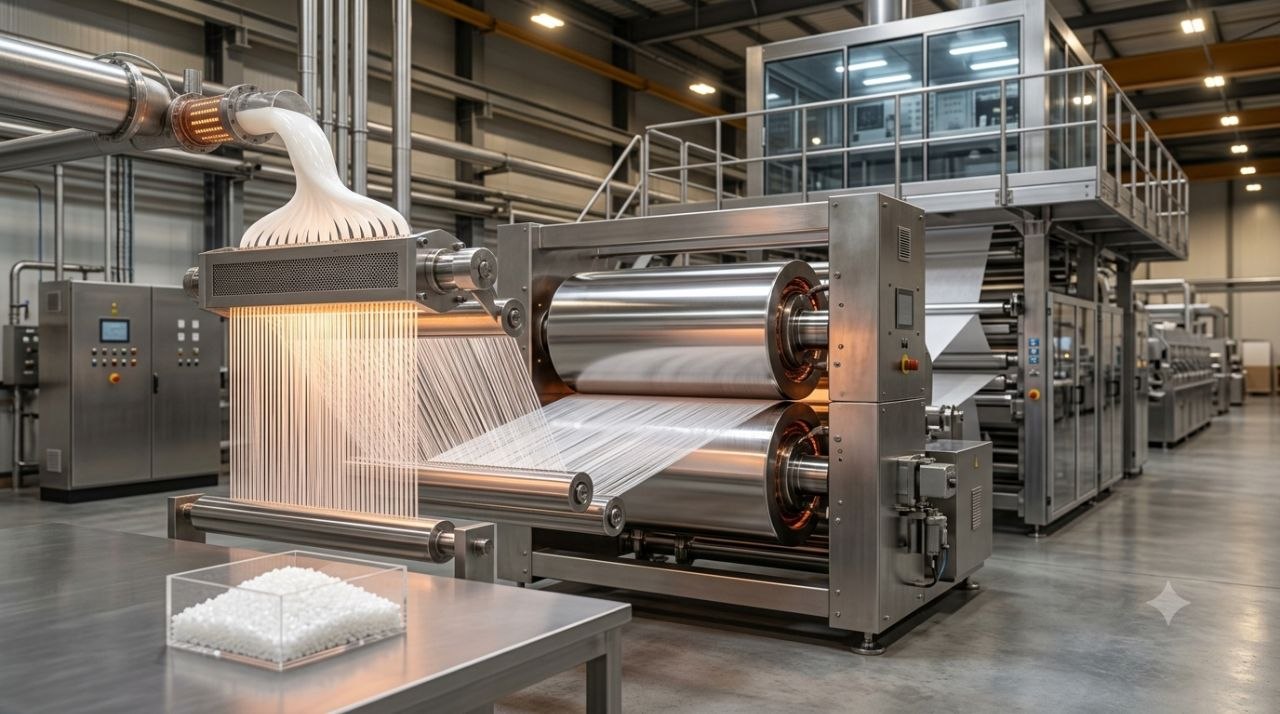
Polypropylene spunbond fabric is manufactured through a highly efficient continuous production process that transforms Polypropylene (PP) Resin into a durable and uniform nonwoven material. This advanced manufacturing method enables high production speeds while maintaining excellent fabric consistency, strength, and quality.
The process begins by melting high-quality Polypropylene (PP) pellets at controlled temperatures. The molten polymer is then extruded through precision spinnerets to create thousands of continuous filaments. These filaments are rapidly cooled and stretched to improve their tensile strength before being evenly deposited onto a moving conveyor belt to form a uniform fiber web.
Once the web is formed, it passes through heated calender rollers where controlled heat and pressure permanently bond the fibers together. This thermal bonding process creates a lightweight, breathable, and durable fabric without the need for weaving or knitting.
Depending on the final application, the fabric may undergo additional finishing processes such as Embossing, Printing, slitting, rewinding, or lamination with Meltblown Fabric to produce SMS Nonwoven Fabric or SMMS Nonwoven Fabric for applications requiring enhanced filtration and liquid resistance.
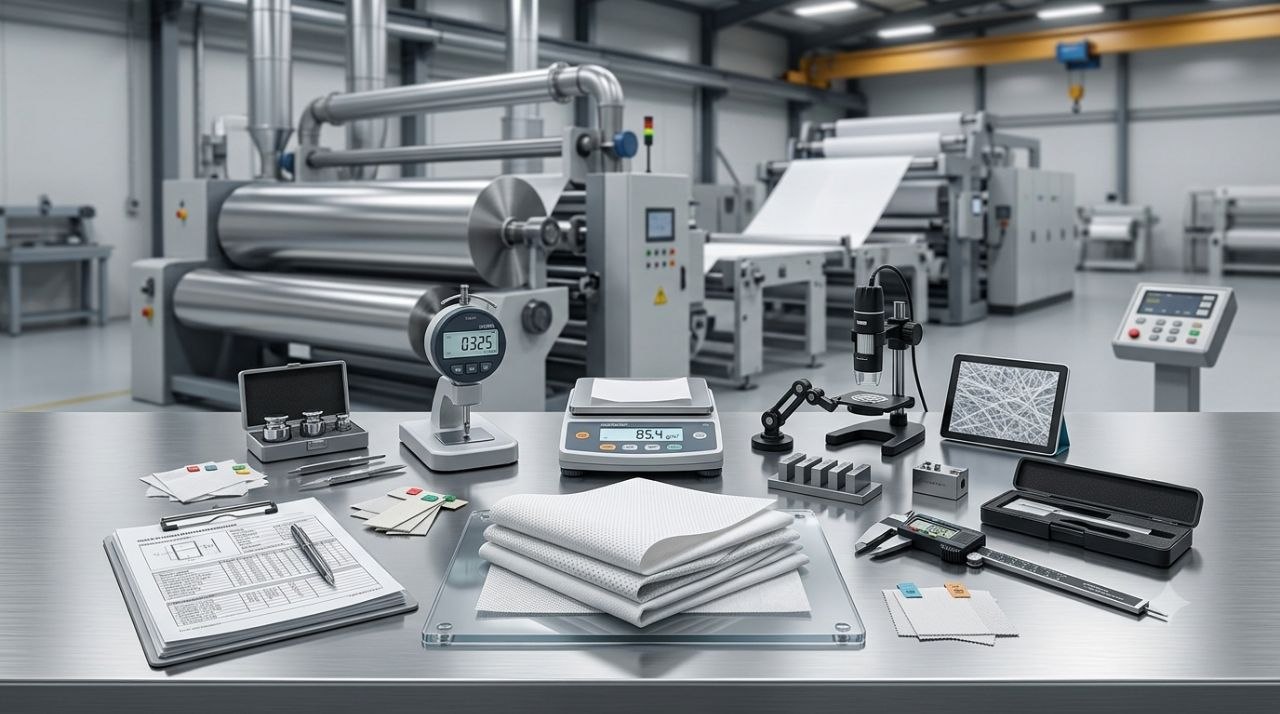
Finally, every production batch is inspected for GSM accuracy, tensile strength, roll width, color consistency, and overall surface quality before being packaged and prepared for shipment to manufacturers around the world.
| Step | Description |
|---|---|
| 1 | Polypropylene Resin Melting |
| 2 | Filament Extrusion |
| 3 | Cooling & Drawing |
| 4 | Web Formation |
| 5 | Thermal Bonding |
| 6 | Embossing / Printing (Optional) |
| 7 | Quality Inspection |
| 8 | Roll Winding & Packaging |
Properties of Polypropylene Spunbond Fabric
Polypropylene spunbond fabric is widely recognized for its excellent combination of strength, lightweight structure, and cost efficiency. These unique characteristics have made Polypropylene Spunbond Fabric one of the most popular nonwoven materials across numerous industries, including Medical Spunbond Fabric, Agricultural Spunbond Fabric, Shopping Bags, packaging, furniture, and hygiene products.
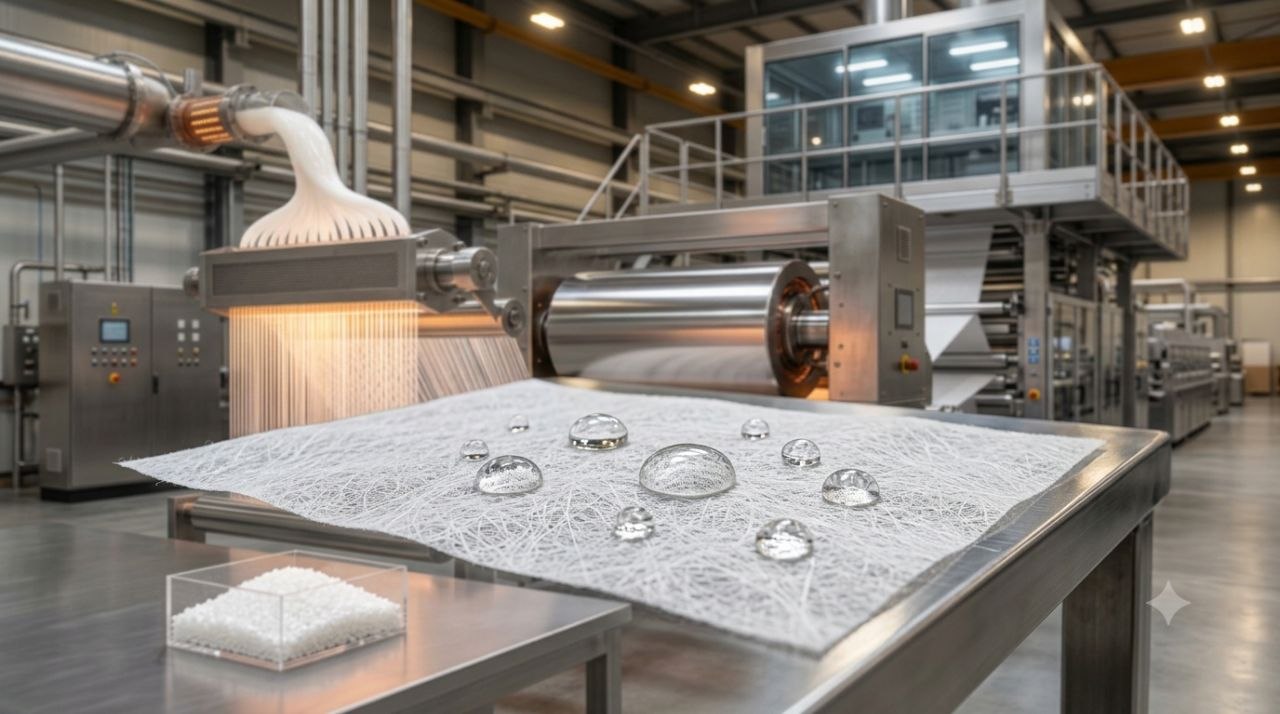
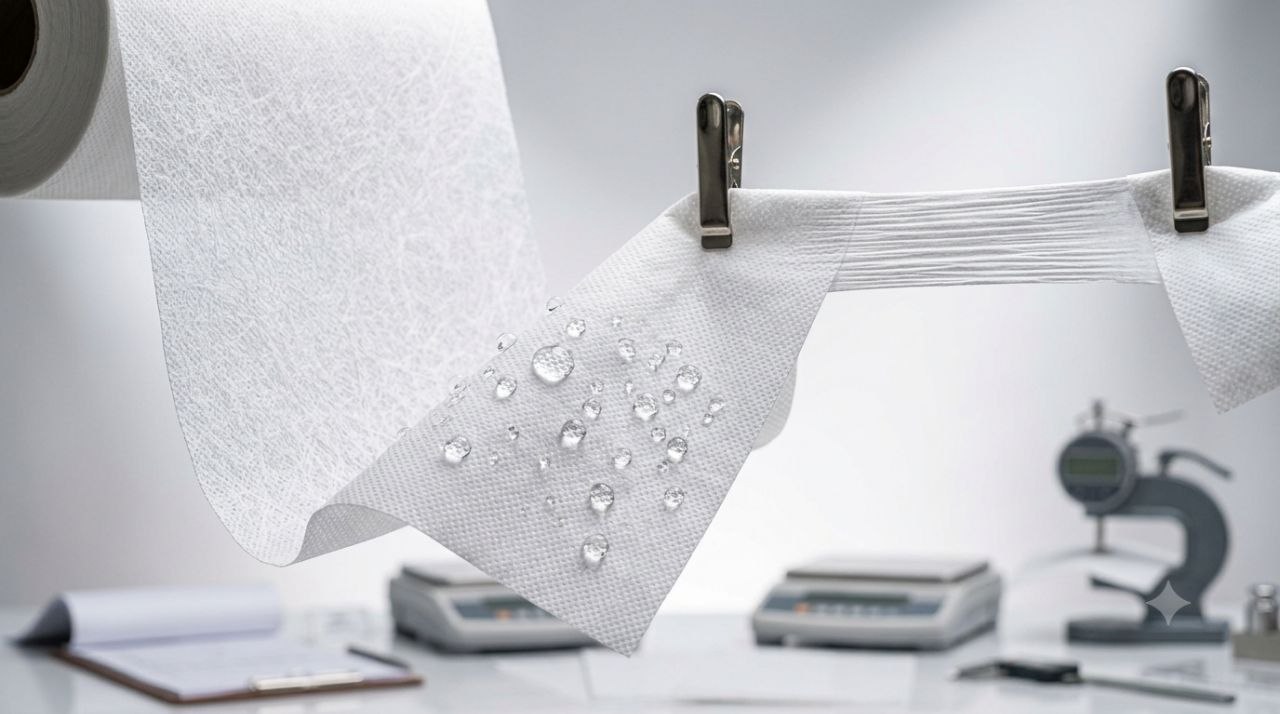
One of the most significant advantages of Polypropylene (PP)is its outstanding resistance to moisture. Since polypropylene absorbs very little water, spunbond fabric maintains its mechanical properties even in humid environments. This makes it suitable for both indoor and outdoor applications.
Another important property is its excellent breathability. While allowing air to circulate freely, the fabric remains lightweight and comfortable, making it an ideal material for disposable medical products, protective apparel, and reusable shopping bags.
Polypropylene Spunbond Fabric also offers excellent chemical resistance against many acids, alkalis, and industrial chemicals. Combined with its high tensile strength and tear resistance, it delivers long-lasting performance in demanding industrial applications.
The material can be manufactured in a wide variety of GSM ranges, colors, roll widths, and surface finishes. Additional processes such as Embossed Spunbond Fabric, Printed Spunbond Fabric, UV stabilization, and lamination further expand its range of applications.
In addition to its performance benefits, Polypropylene Spunbond Fabric is recyclable and requires relatively low energy during production compared to many traditional textile materials, making it an efficient and environmentally responsible choice for modern manufacturing.
| Property | Benefit |
|---|---|
| Lightweight | Easy handling and reduced transportation cost |
| Breathable | Improved air permeability |
| Moisture Resistant | Very low water absorption |
| Chemical Resistant | Suitable for industrial environments |
| High Tensile Strength | Durable and long-lasting |
| Recyclable | More sustainable material |
| Cost-Effective | Excellent value for large-scale production |
| Customizable | Available in different GSMs, colors, and widths |
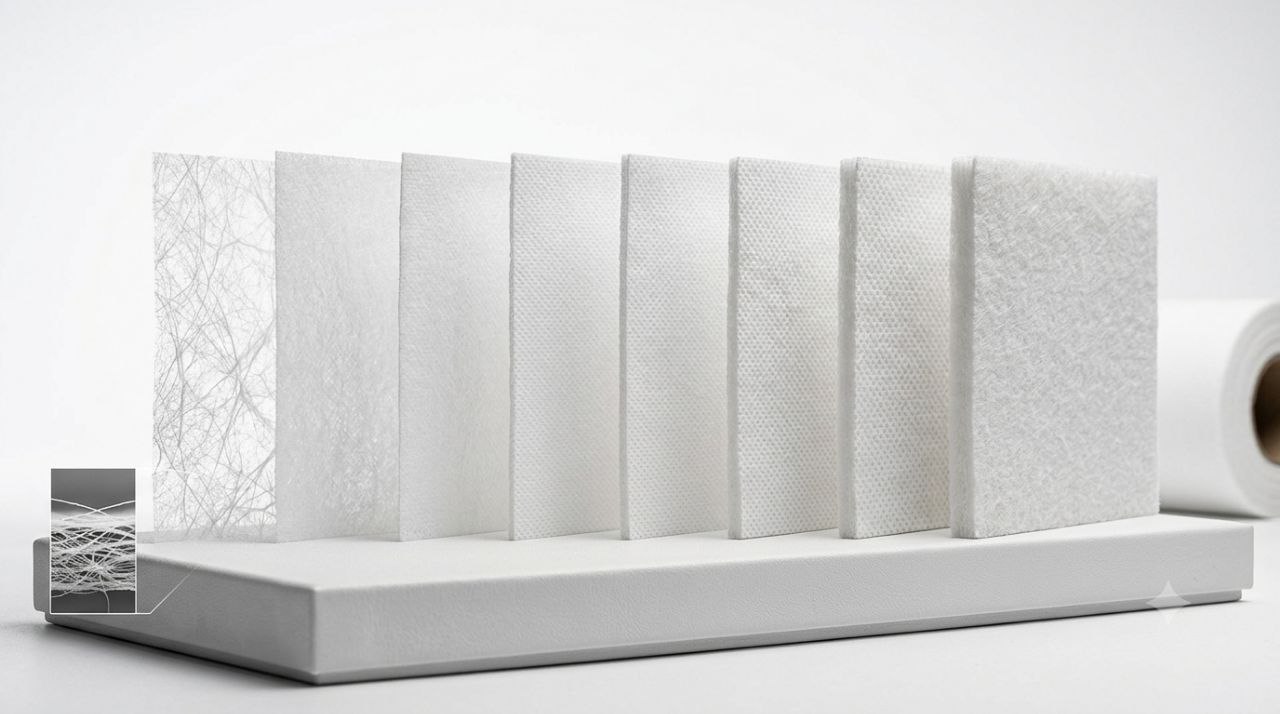
Common GSM Ranges of Polypropylene Spunbond Fabric
The GSM (grams per square meter) of Polypropylene Spunbond Fabric is one of the most important factors determining its strength, durability, flexibility, and final application. Choosing the correct GSM ensures that the fabric delivers the required performance while maintaining cost efficiency.
Lightweight Polypropylene (PP) spunbond fabrics are commonly used for disposable hygiene products, medical items, and agricultural applications where breathability and low weight are essential. Medium-weight fabrics are widely used for shopping bags, promotional bags, packaging, and furniture, while heavier GSM grades provide greater strength for industrial applications.
The versatility of Polypropylene Spunbond Fabric allows manufacturers to produce materials ranging from ultra-light fabrics to heavy-duty nonwoven products, making it suitable for virtually every industry.
Selecting the right GSM depends on factors such as product durability, tensile strength, intended use, printing requirements, and environmental conditions. Understanding these requirements helps manufacturers optimize both product quality and production costs.
| GSM Range | Typical Applications |
|---|---|
| 10–17 GSM | Hygiene Products, Face Masks |
| 17–30 GSM | Medical Spunbond Fabric, Agricultural Covers |
| 30–50 GSM | Shopping Bags, Promotional Bags |
| 50–80 GSM | Furniture, Mattress, Packaging |
| 80–150 GSM | Industrial Products |
| 150–200 GSM | Heavy-Duty Technical Applications |
Applications of Polypropylene Spunbond Fabric
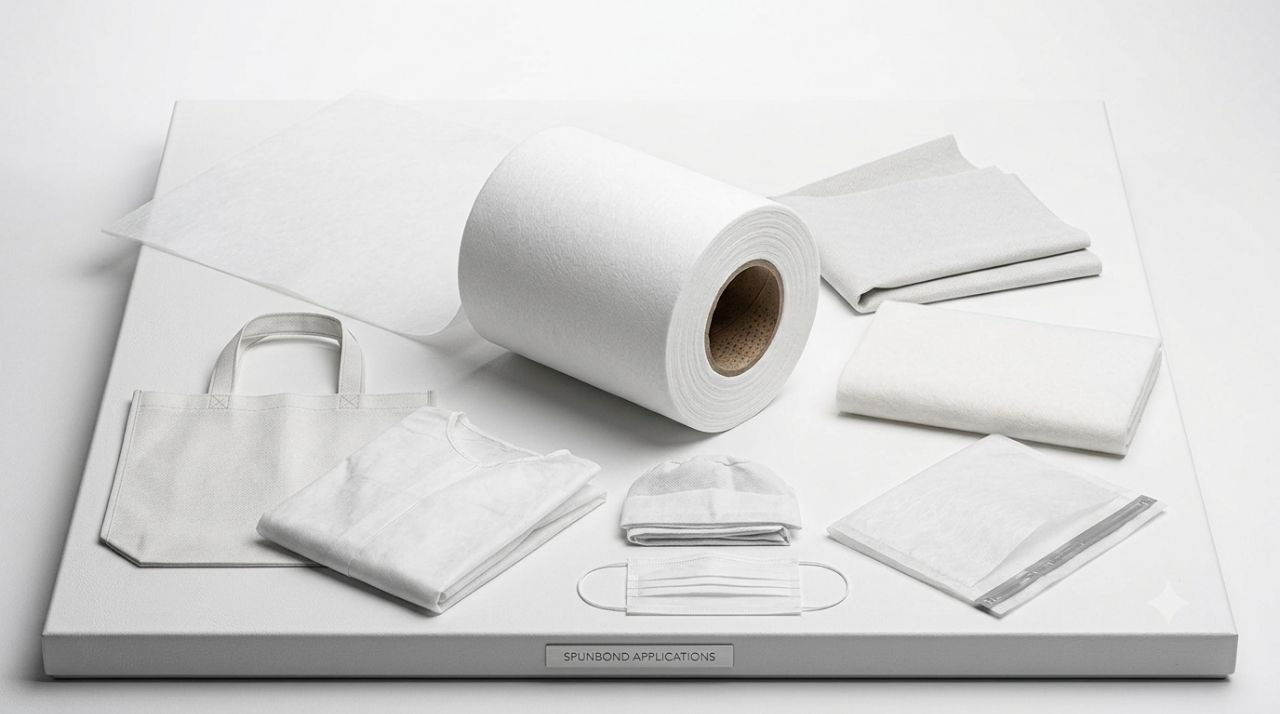
Thanks to its excellent durability, lightweight structure, breathability, and cost-effectiveness, Polypropylene Spunbond Fabric has become one of the most versatile nonwoven materials used across numerous industries. Its flexibility allows manufacturers to produce customized fabrics for applications ranging from healthcare and agriculture to packaging and furniture.
One of the largest markets for Polypropylene Spunbond Fabric is the Medical Industry, where it is used to manufacture surgical gowns, isolation gowns, face masks, disposable caps, shoe covers, and medical packaging. Its hygienic properties, breathability, and compatibility with sterilization processes make it an ideal choice for healthcare products.
Another major application is the production of Shopping Bags. Polypropylene spunbond fabric provides an excellent combination of strength, reusability, and printability, making it one of the preferred materials for reusable promotional and retail bags.
In agriculture, Agricultural Spunbond Fabric is widely used as crop covers, frost protection fabric, greenhouse covers, and weed control solutions. UV-stabilized polypropylene spunbond fabric helps improve crop protection while maintaining proper airflow and moisture balance.
The furniture and bedding industries also rely heavily on Polypropylene Spunbond Fabric for manufacturing mattress covers, furniture linings, sofa backing, spring pocket covers, and protective layers due to its durability and lightweight characteristics.
Additional applications include Printed Spunbond Fabric for promotional products, Packaging, hygiene products, filtration materials, industrial protective clothing, disposable products, and many other technical nonwoven applications.
Because of its wide range of available GSM values, colors, embossing patterns, roll widths, and custom manufacturing options, Polypropylene Spunbond Fabric continues to be one of the most adaptable materials in the global nonwoven industry.
| Industry | Common Products |
|---|---|
| Medical | Surgical gowns, face masks, caps, shoe covers |
| Agriculture | Crop covers, greenhouse covers, frost protection |
| Shopping Bags | Reusable bags, promotional bags |
| Furniture | Sofa lining, mattress covers, spring pockets |
| Packaging | Protective packaging, wrapping |
| Hygiene | Disposable hygiene products |
| Industrial | Protective clothing, technical applications |
Advantages of Polypropylene Spunbond Fabric
Polypropylene Spunbond Fabric has become the preferred nonwoven material for manufacturers worldwide because it offers an excellent balance of performance, versatility, and affordability. Its unique combination of physical and chemical properties makes it suitable for a wide range of disposable and reusable products across multiple industries.
One of the biggest advantages of Polypropylene (PP) is its lightweight structure. Despite its low weight, the fabric provides excellent tensile strength and durability, making it ideal for products that require both performance and cost efficiency.
Another significant benefit is its excellent breathability. The fabric allows air to circulate while maintaining structural integrity, making it suitable for Medical Spunbond Fabric, Agricultural Spunbond Fabric, and reusable Shopping Bags.
*Polypropylene Spunbond Fabric* also offers outstanding moisture and chemical resistance. It does not easily absorb water and performs well in humid environments, while resisting many acids, alkalis, and industrial chemicals.
Its outstanding printability and embossing capability make it an excellent choice for customized products. Manufacturers can produce Printed Spunbond Fabric with high-quality graphics or use Embossed Spunbond Fabric to improve appearance, texture, and product value.
Finally, Polypropylene Spunbond Fabric is recyclable, economical to manufacture, and available in a wide range of GSM values, colors, widths, and roll lengths. These advantages make it one of the most flexible and cost-effective nonwoven materials available in today’s global market.
| Advantage | Business Benefit |
|---|---|
| Lightweight | Lower transportation and handling costs |
| High Strength | Longer product life |
| Breathable | Improved user comfort |
| Moisture Resistant | Suitable for humid environments |
| Chemical Resistant | Reliable industrial performance |
| Excellent Printability | Ideal for branded products |
| Embossing Compatible | Premium appearance and texture |
| Recyclable | Supports sustainability goals |
| Cost-Effective | Excellent value for manufacturers |
How to Choose the Right Polypropylene Spunbond Fabric
Choosing the right Polypropylene Spunbond Fabric depends on several technical and commercial factors. Selecting the appropriate material helps improve product quality, manufacturing efficiency, and overall cost-effectiveness.
The first factor to consider is the GSM (Grams per Square Meter). Lightweight fabrics are suitable for hygiene products and agricultural applications, while medium and heavy GSM grades provide greater strength for shopping bags, furniture, packaging, and industrial products.
The second consideration is the quality of the Polypropylene (PP) Resin. High-quality raw materials produce stronger fibers, better fabric uniformity, improved durability, and more consistent performance throughout the manufacturing process.
Roll width is another important factor. Different industries require different roll sizes depending on their production equipment and final products. Choosing the correct width helps reduce material waste and increase production efficiency.
Surface finishing should also be considered. Depending on the intended application, manufacturers may require Embossed Spunbond Fabric for an enhanced appearance and texture or Printed Spunbond Fabric for custom branding and promotional purposes.
For outdoor applications such as Agricultural Spunbond Fabric, UV stabilization is essential to protect the fabric from prolonged sunlight exposure and extend its service life.
Finally, selecting a reliable supplier is just as important as selecting the right fabric. A manufacturer with consistent quality control, stable production capacity, customization options, and export experience can ensure reliable long-term supply and consistent product performance.
| Selection Factor | Why It Matters |
|---|---|
| GSM | Determines strength and application |
| PP Resin Quality | Improves durability and consistency |
| Roll Width | Reduces production waste |
| Surface Finish | Supports embossing or printing |
| UV Stabilization | Essential for outdoor use |
| Supplier Experience | Ensures consistent quality and supply |
Frequently Asked Questions (FAQ)
### What is polypropylene spunbond fabric?
Polypropylene Spunbond Fabric is a nonwoven material manufactured from polypropylene resin using spunbond technology. It is widely used in medical products, shopping bags, agriculture, furniture, packaging, hygiene products, and many other industrial applications due to its lightweight structure, durability, and cost-effectiveness.
### Is polypropylene spunbond fabric waterproof?
Polypropylene Spunbond Fabric is naturally moisture-resistant because polypropylene absorbs very little water. While standard spunbond fabric is not completely waterproof, it provides excellent water resistance for many applications. Additional lamination can further improve its barrier performance.
### What GSM is best for polypropylene spunbond fabric?
The ideal GSM depends on the intended application. Lower GSM fabrics are commonly used for hygiene and medical products, medium GSM grades are suitable for shopping bags and agriculture, while higher GSM materials are preferred for furniture, packaging, and industrial applications.
### Can polypropylene spunbond fabric be printed or embossed?
Yes. Polypropylene Spunbond Fabric can be customized using Printed Spunbond Fabric technology for logos, branding, and promotional products. It can also be produced as Embossed Spunbond Fabric to improve appearance, texture, and product quality.
### Is polypropylene spunbond fabric recyclable?
Yes. Polypropylene is a recyclable thermoplastic material. Polypropylene Spunbond Fabric can be recycled through appropriate recycling systems, making it a more environmentally responsible choice compared to many conventional disposable materials.
Conclusion
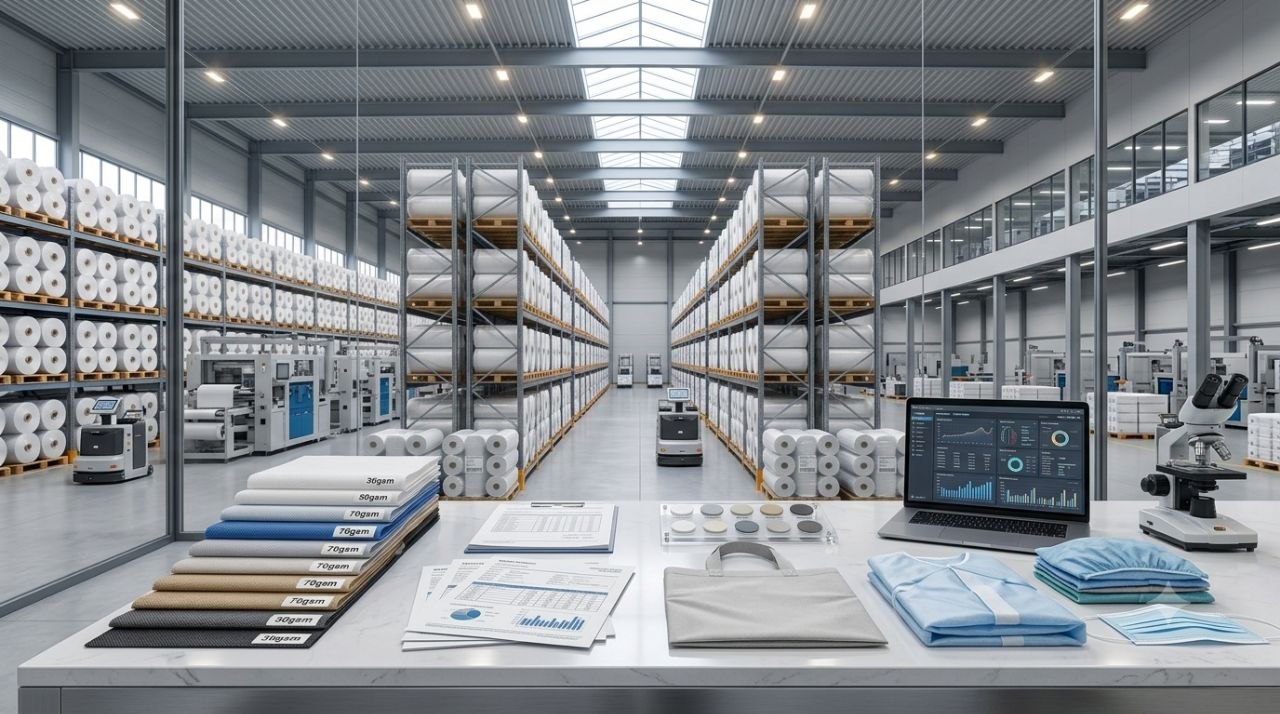
*Polypropylene Spunbond Fabric* has become one of the most widely used nonwoven materials in the world because it combines lightweight performance, durability, breathability, versatility, and cost efficiency in a single material. Its ability to be manufactured in various GSM ranges, colors, widths, embossed patterns, and printed designs makes it suitable for countless industries.
From Medical Spunbond Fabric and reusable Shopping Bags to Agricultural Spunbond Fabric, furniture, packaging, and industrial products, polypropylene spunbond fabric continues to provide reliable performance for manufacturers worldwide.
Choosing the right GSM, production specifications, and manufacturing partner is essential for achieving the best product quality and long-term performance. With advanced manufacturing capabilities, strict quality control, and flexible customization options, Nasjiran is committed to supplying premium polypropylene spunbond fabric that meets the requirements of customers in both domestic and international markets.