UV Stabilized Spunbond Fabric: Complete Guide to Outdoor Nonwoven Applications
Introduction
Sunlight is one of the biggest factors affecting the lifespan of nonwoven materials used outdoors. Continuous exposure to ultraviolet (UV) radiation gradually weakens polypropylene fibers, reducing mechanical strength, flexibility, and overall product performance. To overcome this challenge, manufacturers produce UV Stabilized Spunbond Fabric, a high-performance nonwoven material engineered for long-term outdoor applications.
Manufactured from Polypropylene Spunbond Fabric with specialized UV stabilizers, this material is designed to withstand prolonged sunlight exposure while maintaining its physical properties and protective performance. It is widely used in agriculture, construction, landscaping, furniture, packaging, and many other industries where durability under outdoor conditions is essential.
Compared with standard nonwoven fabrics, UV Stabilized Spunbond Fabric offers improved weather resistance, longer service life, and greater cost efficiency by reducing the need for frequent replacement. The level of UV protection can also be customized according to climate conditions, expected service life, and application requirements.
This guide explains how UV stabilization works, why it is important, its manufacturing process, key benefits, common applications, selection criteria, and how to choose the right UV-resistant spunbond fabric for professional use.
What Is UV Stabilized Spunbond Fabric
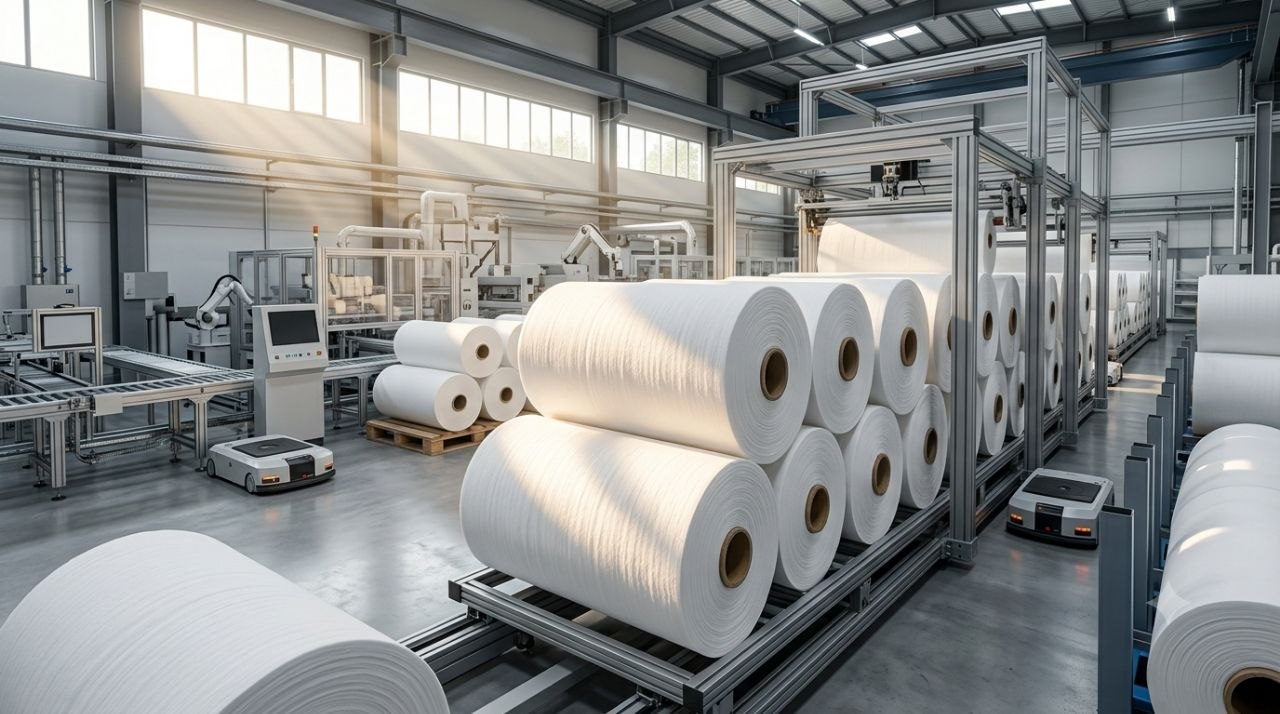
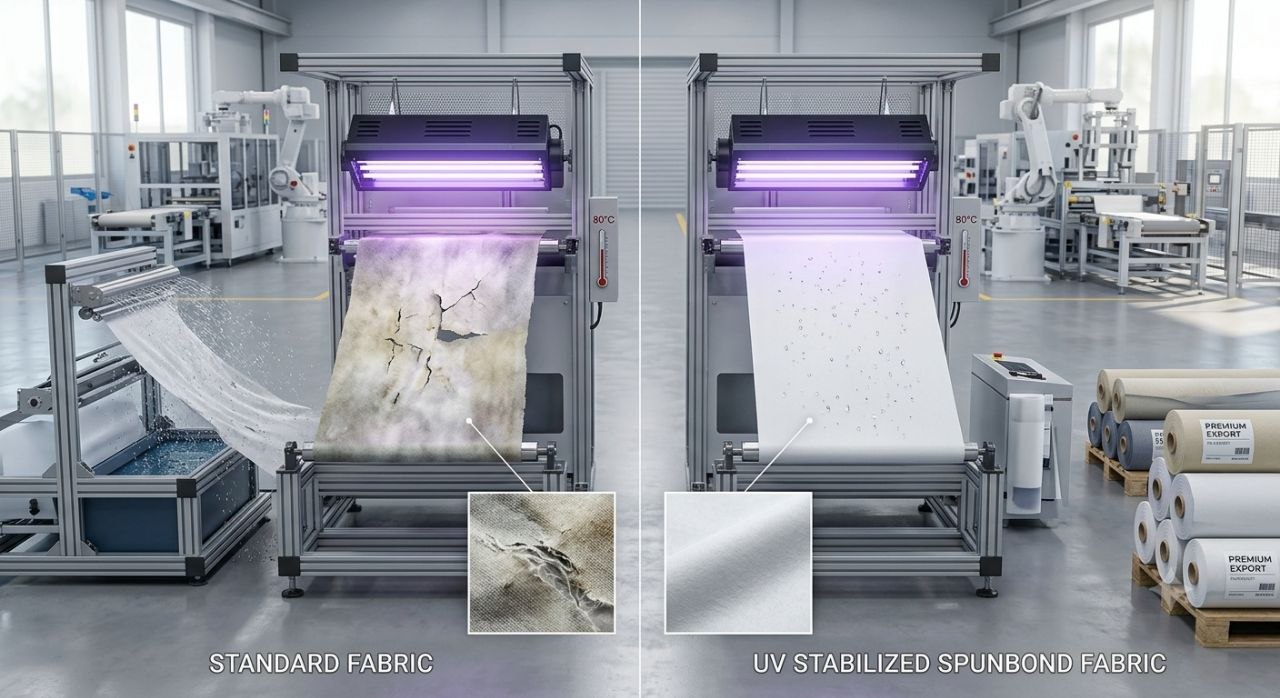
UV Stabilized Spunbond Fabric is a polypropylene-based nonwoven material specially engineered to resist degradation caused by ultraviolet radiation. Unlike conventional nonwoven fabrics, which gradually lose strength and become brittle after prolonged exposure to sunlight, UV-stabilized spunbond fabric maintains its structural integrity and performance for significantly longer periods.
The material is produced using the standard *Spunbond Manufacturing Process*, where continuous polypropylene filaments are extruded, laid into a web, and thermally bonded. Before extrusion, carefully selected UV stabilizers are blended with the polypropylene resin to protect the polymer chains from photodegradation caused by solar radiation.
This stabilization process helps preserve the fabric’s tensile strength, flexibility, colour stability, and overall durability, even when used in demanding outdoor environments. The amount and type of UV stabilizer can be adjusted according to the intended application, geographical location, and expected service life.
Because of its excellent balance of durability, breathability, and weather resistance, UV Stabilized Spunbond Fabric has become the preferred choice for agricultural covers, outdoor packaging, landscaping fabrics, protective covers, and other industrial applications that require long-term exposure to sunlight.
How Does UV Stabilization Work
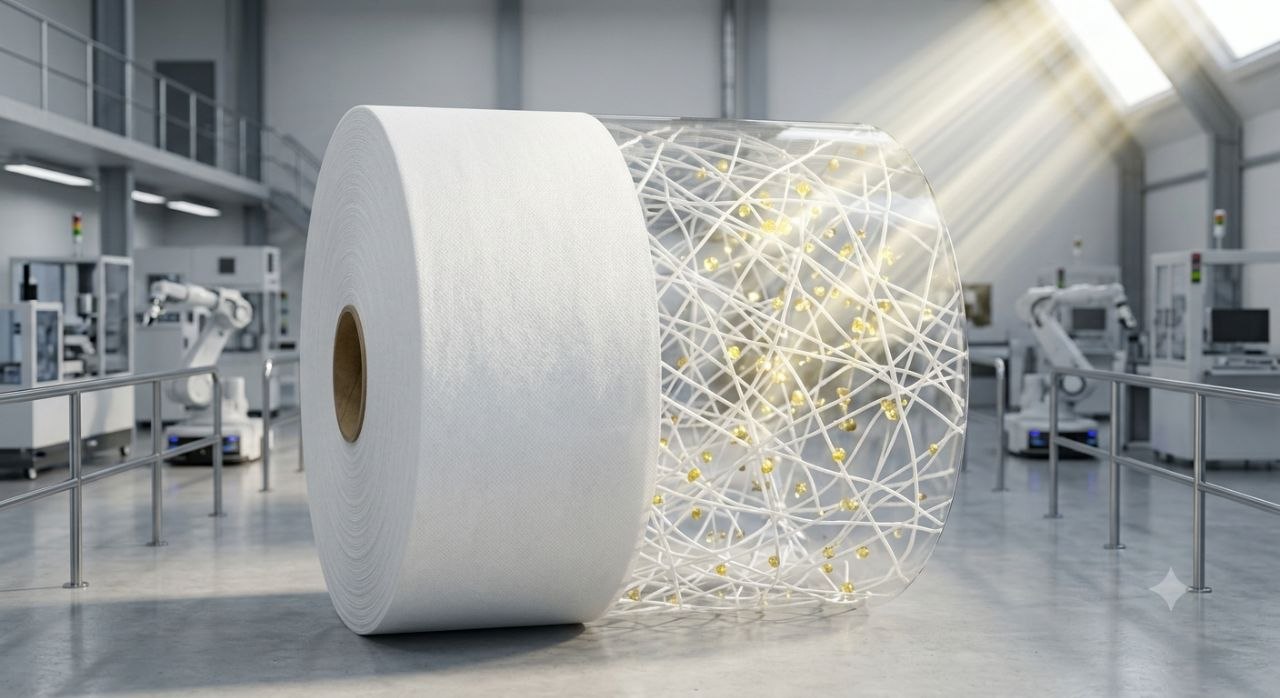
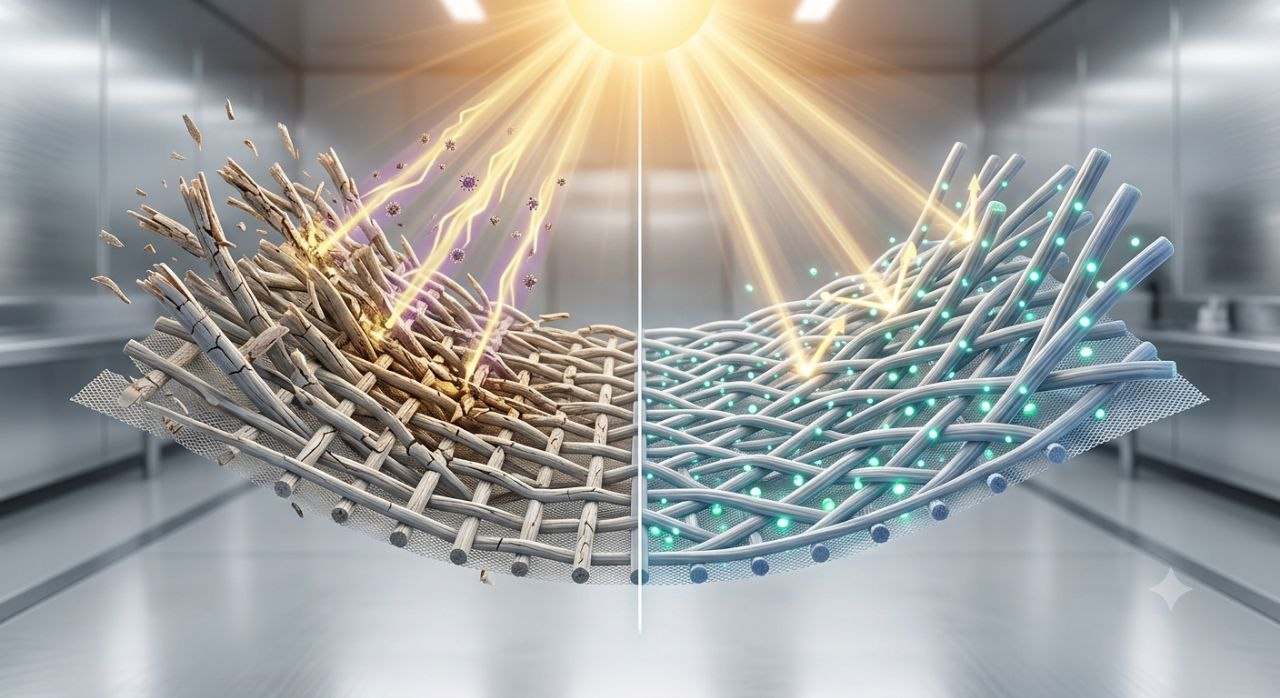
Ultraviolet (UV) radiation is one of the primary causes of polymer degradation in outdoor nonwoven materials. When standard polypropylene fabric is exposed to sunlight for extended periods, high-energy UV rays begin breaking the molecular chains within the polymer. This process, known as photodegradation, gradually reduces tensile strength, flexibility, and overall material performance.
To prevent this deterioration, manufacturers incorporate *UV Stabilizers* directly into the polypropylene resin before the *Spunbond Manufacturing Process* begins. These specialized additives act as a protective system that slows the degradation of polymer chains and significantly extends the outdoor service life of the finished fabric.
Two of the most widely used stabilization technologies are *HALS (Hindered Amine Light Stabilizers)* and UV absorbers. HALS continuously neutralize the free radicals generated by sunlight, helping preserve the mechanical properties of the fabric throughout prolonged outdoor exposure. UV absorbers, on the other hand, absorb harmful ultraviolet energy and convert it into harmless heat before it can damage the polymer structure.
The effectiveness of UV stabilization depends on several factors, including the stabilizer formulation, additive concentration, local climate, UV intensity, operating temperature, and expected product lifespan. For this reason, manufacturers often customize UV protection levels according to specific application requirements.
High-quality *UV Stabilized Spunbond Fabric* retains its strength, flexibility, colour stability, and protective performance far longer than conventional nonwoven materials. This improved durability reduces replacement frequency, lowers maintenance costs, and provides greater long-term value for agricultural, industrial, construction, and outdoor packaging applications.
Types of UV Stabilizers Used in Spunbond Fabric
Not all *UV Stabilizers* provide the same level of protection. The type of stabilizer, its concentration, and the quality of the formulation directly affect the outdoor performance and service life of *UV Stabilized Spunbond Fabric*. Selecting the appropriate stabilization system depends on the application, expected exposure time, and environmental conditions.
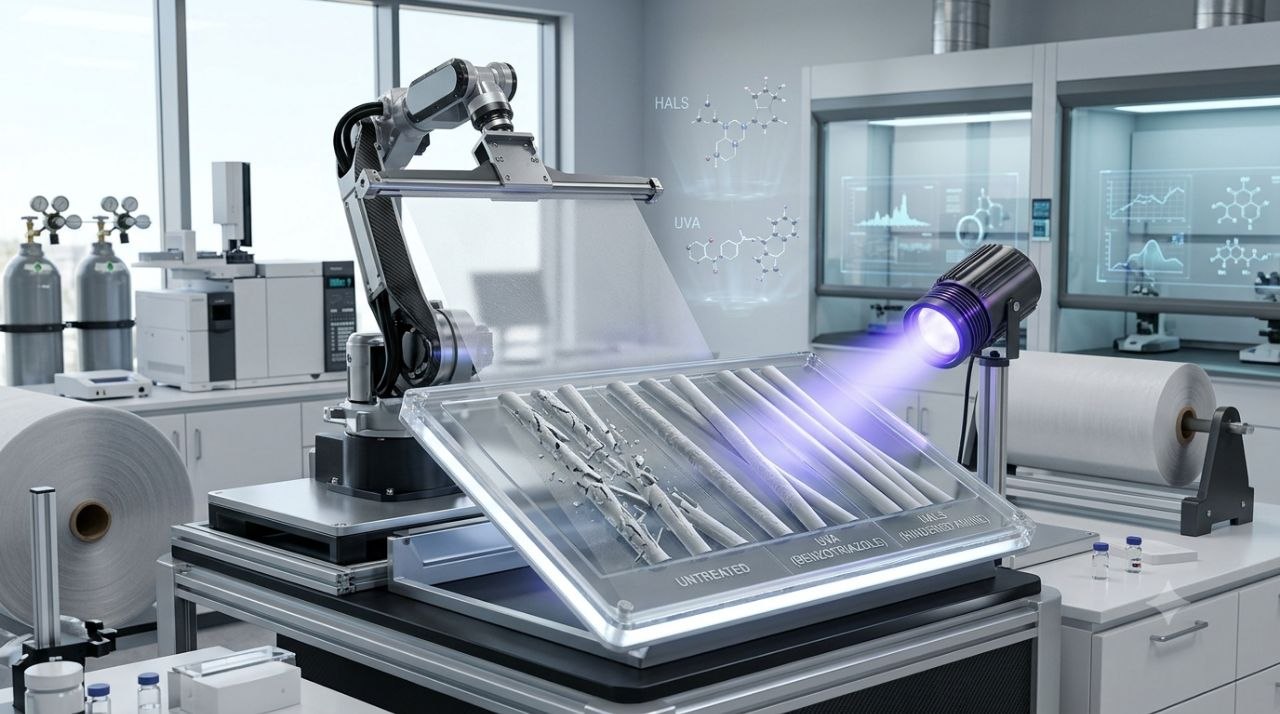
One of the most effective technologies is *HALS (Hindered Amine Light Stabilizers)*. Rather than absorbing ultraviolet radiation, HALS work by continuously neutralizing free radicals generated during photo-oxidation. This regenerative mechanism allows the stabilizer to remain effective for extended periods, making HALS the preferred solution for long-term outdoor applications.
Another common technology is *UV Absorbers*. These additives absorb harmful ultraviolet radiation before it reaches the polypropylene polymer chains. The absorbed UV energy is then converted into low-level heat, reducing damage to the material and slowing the ageing process.
In many high-performance products, manufacturers combine *HALS (Hindered Amine Light Stabilizers)* with *UV Absorbers*. This combination creates a multi-layer protection system that significantly improves weather resistance, colour stability, tensile strength retention, and long-term durability.
The selection of a stabilization package should also consider factors such as local UV intensity, annual sunlight exposure, operating temperature, product colour, polymer grade, and the required service life. Using an inadequate stabilizer system may lead to premature ageing, reduced mechanical performance, and higher replacement costs.
For demanding outdoor applications, premium *UV Stabilized Spunbond Fabric* manufactured with high-quality stabilization technology provides the most reliable long-term performance and overall cost efficiency.
| Technology | Primary Function | Typical Use |
|---|---|---|
| HALS | Neutralises free radicals | Long-term outdoor exposure |
| UV Absorbers | Absorbs ultraviolet radiation | Moderate to high UV environments |
| Combined System | Dual protection mechanism | Premium outdoor applications |
Applications of UV Stabilized Spunbond Fabric
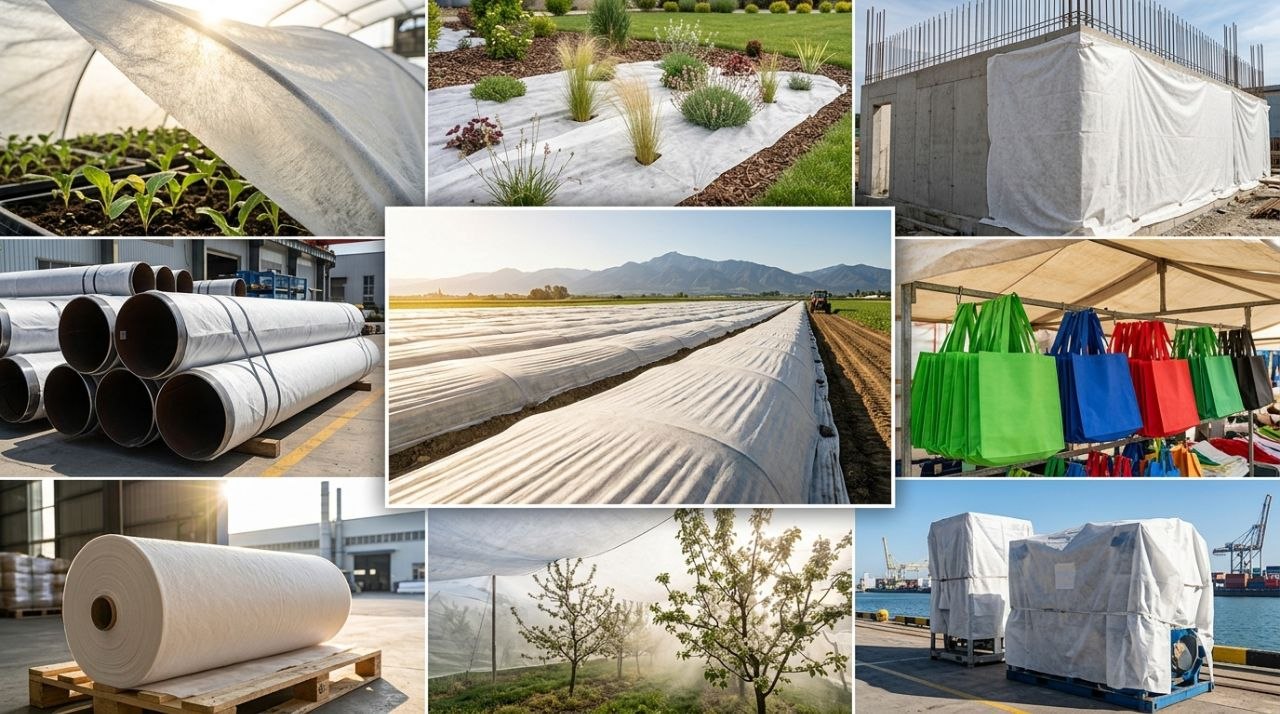
The outstanding durability of UV Stabilized Spunbond Fabric makes it suitable for a wide range of outdoor industries where prolonged exposure to sunlight can rapidly damage conventional nonwoven materials. By maintaining its strength, flexibility, and protective properties over time, UV-stabilized fabric provides reliable performance in demanding environmental conditions.
One of the largest application sectors is Agricultural Spunbond Fabric. Farmers use UV-stabilized nonwoven fabric for floating row covers, crop protection, greenhouse cultivation, nursery production, orchard protection, and weed control. The added UV resistance significantly extends the service life of the fabric throughout growing seasons with intense sunlight exposure.
The material is also widely used in Spunbond Fabric for Shopping Bags. Reusable shopping bags are frequently exposed to sunlight during transportation, outdoor markets, and daily use. UV stabilization helps preserve colour, tensile strength, and overall bag durability, extending the product’s usable life.
For industrial packaging, Printed Spunbond Fabric with UV stabilization offers improved resistance to fading and weathering during storage and transportation. This is particularly valuable for products stored outdoors before distribution or export.
In landscaping and civil engineering projects, UV-stabilized spunbond fabric is commonly installed as *Weed Control Fabric* beneath decorative stone, paving systems, and garden surfaces. Its resistance to ultraviolet degradation allows the material to remain effective for extended periods while continuing to suppress unwanted vegetation.
Construction companies also use UV Stabilized Spunbond Fabric for temporary protective covers, scaffolding protection, building material wrapping, and site protection where exposure to sunlight is unavoidable.
Because the material can be manufactured in different GSM ranges, UV protection levels, colours, and roll dimensions,Polypropylene Spunbond Fabric with UV stabilization remains one of the most versatile nonwoven solutions for outdoor commercial and industrial applications.
| Industry | Typical Application |
|---|---|
| Agriculture | Crop covers, greenhouses, nurseries |
| Retail | Reusable shopping bags |
| Packaging | Outdoor storage and export packaging |
| Landscaping | Weed control and ground cover |
| Construction | Temporary protective covers |
| Industrial | Outdoor equipment protection |
Benefits of UV Stabilized Spunbond Fabric
Choosing UV Stabilized Spunbond Fabric provides significant advantages over conventional nonwoven materials, particularly in applications where prolonged outdoor exposure is unavoidable. By protecting polypropylene fibres against ultraviolet degradation, UV stabilization extends product lifespan, improves reliability, and reduces the total cost of ownership.
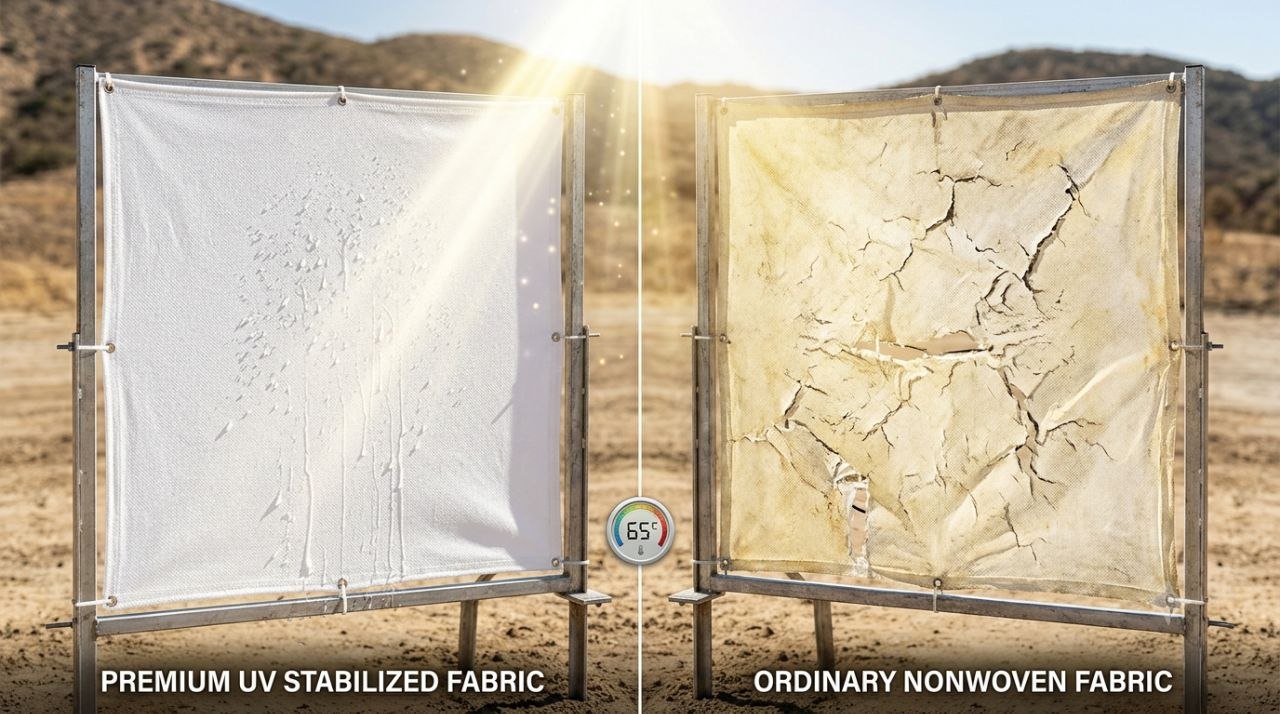
One of the most important benefits is extended outdoor durability. Unlike standard Polypropylene Spunbond Fabric, UV-stabilized material maintains its tensile strength, flexibility, and structural integrity even after months of continuous sunlight exposure. This makes it a dependable solution for demanding outdoor environments.
Another major advantage is improved weather resistance. In addition to ultraviolet radiation, outdoor materials are exposed to temperature fluctuations, wind, humidity, and rainfall. Premium UV Stabilized Spunbond Fabric performs consistently under these changing environmental conditions while maintaining its protective properties.
UV stabilization also helps preserve colour stability. Products such as *Printed Spunbond Fabric* and reusable Spunbond Fabric for Shopping Bags retain their appearance for a much longer period because the stabilizers reduce fading and surface deterioration caused by solar radiation.
From an economic perspective, a longer service life means fewer replacements, lower maintenance costs, and reduced material consumption. For commercial farms using Agricultural Spunbond Fabric or businesses purchasing nonwoven materials in large volumes, this translates into measurable long-term cost savings.
Another key benefit is improved sustainability. Because UV-stabilized products remain in service longer than conventional alternatives, fewer replacement materials are required over time. This helps reduce material waste while improving resource efficiency across agricultural, industrial, and commercial applications.
When combined with premium raw materials and precise manufacturing processes, UV Stabilized Spunbond Fabric delivers reliable outdoor performance, making it one of the most cost-effective nonwoven solutions for long-term exposure to sunlight.
| Benefit | Business Value |
|---|---|
| Extended UV Resistance | Longer outdoor service life |
| Better Weather Resistance | Reliable performance in changing climates |
| Higher Tensile Strength Retention | Improved durability |
| Colour Stability | Reduced fading in printed products |
| Lower Replacement Costs | Better return on investment |
| Reduced Material Waste | Improved sustainability |
| Long-Term Reliability | Consistent outdoor performance |
Factors Affecting the Lifespan of UV Stabilized Spunbond Fabric
The service life of *UV Stabilized Spunbond Fabric* depends on several factors beyond the presence of UV stabilizers alone. While ultraviolet additives play a critical role in protecting the material against sunlight degradation, raw material quality, environmental conditions, manufacturing consistency, and application methods all influence the fabric’s long-term outdoor performance.
One of the most significant factors is the quality of the *Polypropylene Spunbond Fabric*. Fabrics manufactured from 100% virgin polypropylene generally offer better mechanical strength, higher resistance to ageing, and more consistent UV protection than products containing recycled or low-grade raw materials.
The concentration and quality of UV stabilizers also have a direct impact on durability. Premium UV additives provide longer-lasting protection by slowing the degradation process caused by ultraviolet radiation. Selecting the appropriate UV stabilization level according to the intended application helps maximize product lifespan while maintaining cost efficiency.
Climate conditions are another important consideration. Products used in regions with intense sunlight, high temperatures, and prolonged UV exposure naturally experience greater environmental stress than those installed in moderate climates. Manufacturers often adjust UV stabilizer formulations to suit different geographical conditions and expected service life.
Fabric weight, commonly measured as *GSM*, also affects durability. Higher GSM fabrics generally provide greater strength, improved tear resistance, and better long-term performance in demanding outdoor applications. However, selecting the appropriate GSM should always be based on the specific requirements of the project rather than simply choosing the heaviest material.
Proper installation and maintenance can significantly extend the lifespan of *UV Stabilized Spunbond Fabric*. Excessive mechanical stress, poor installation practices, or continuous abrasion may shorten the product’s service life even when high-quality UV stabilizers are used. Following recommended installation guidelines helps preserve the fabric’s structural integrity throughout its intended lifespan.
For agricultural applications, using dedicated *Agricultural Spunbond Fabric* with the correct UV protection level ensures reliable crop protection over multiple growing seasons while maintaining breathability, moisture control, and overall fabric performance.
Finally, manufacturing quality remains one of the most important factors influencing durability. Consistent fibre distribution, uniform bonding, accurate GSM control, and strict quality inspection ensure that every roll of *UV Stabilized Spunbond Fabric* delivers dependable performance under long-term outdoor exposure.
How to Choose the Right UV Stabilized Spunbond Fabric
Selecting the right UV Stabilized Spunbond Fabric requires more than simply choosing a UV-resistant material. Factors such as raw material quality, UV stabilization technology, fabric weight, manufacturing consistency, and the intended application all play a critical role in determining long-term performance and overall value.
The first consideration should be the quality of the Polypropylene Spunbond Fabric. High-quality virgin polypropylene provides superior tensile strength, better fibre uniformity, improved flexibility, and greater resistance to ageing compared with recycled or lower-grade materials.
Another important factor is the level of UV stabilization. Products designed for regions with intense sunlight require higher UV protection than those used in moderate climates. Selecting the correct stabilization level ensures the fabric maintains its mechanical properties throughout its expected service life.
Fabric weight, measured in GSM (grams per square meter), should also match the intended application. Lightweight fabrics are ideal for temporary protective covers, while heavier grades provide greater durability for demanding outdoor environments. Choosing the appropriate GSM helps optimise both performance and cost efficiency.
For outdoor crop protection, selecting a dedicated Agricultural Spunbond Fabric ensures the material provides the required combination of UV resistance, breathability, moisture control, and durability needed throughout the growing season.
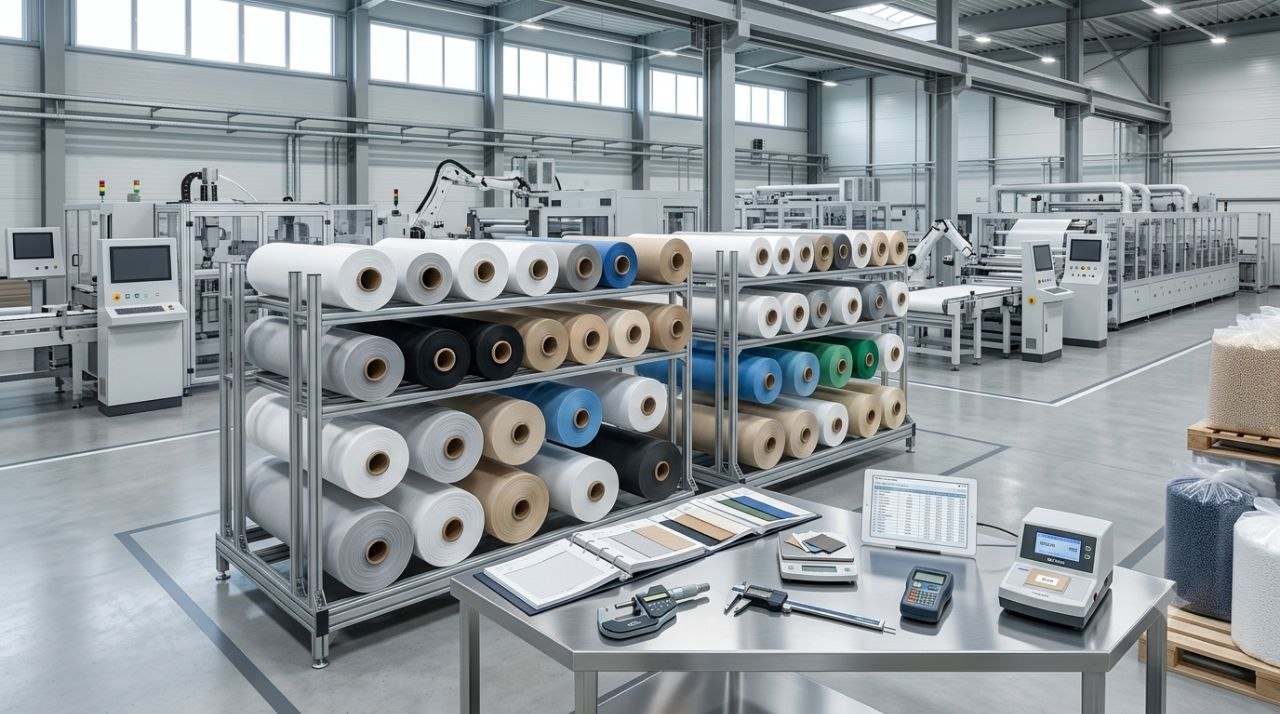
Buyers should also evaluate production quality, roll width, Roll Length, colour consistency, and manufacturing standards. Consistent fibre distribution and precise production control are essential for maintaining uniform performance across every roll.
Finally, partnering with an experienced manufacturer ensures reliable product quality, stable supply, and professional technical support. Investing in premium UV Stabilized Spunbond Fabric reduces replacement frequency, lowers maintenance costs, and provides better long-term value for commercial and industrial applications.
Why Choose Nasjiran for UV Stabilized Spunbond Fabric
Choosing the right supplier is just as important as selecting the right material. High-quality UV Stabilized Spunbond Fabric depends not only on premium raw materials but also on advanced manufacturing technology, strict quality control, and years of production expertise.
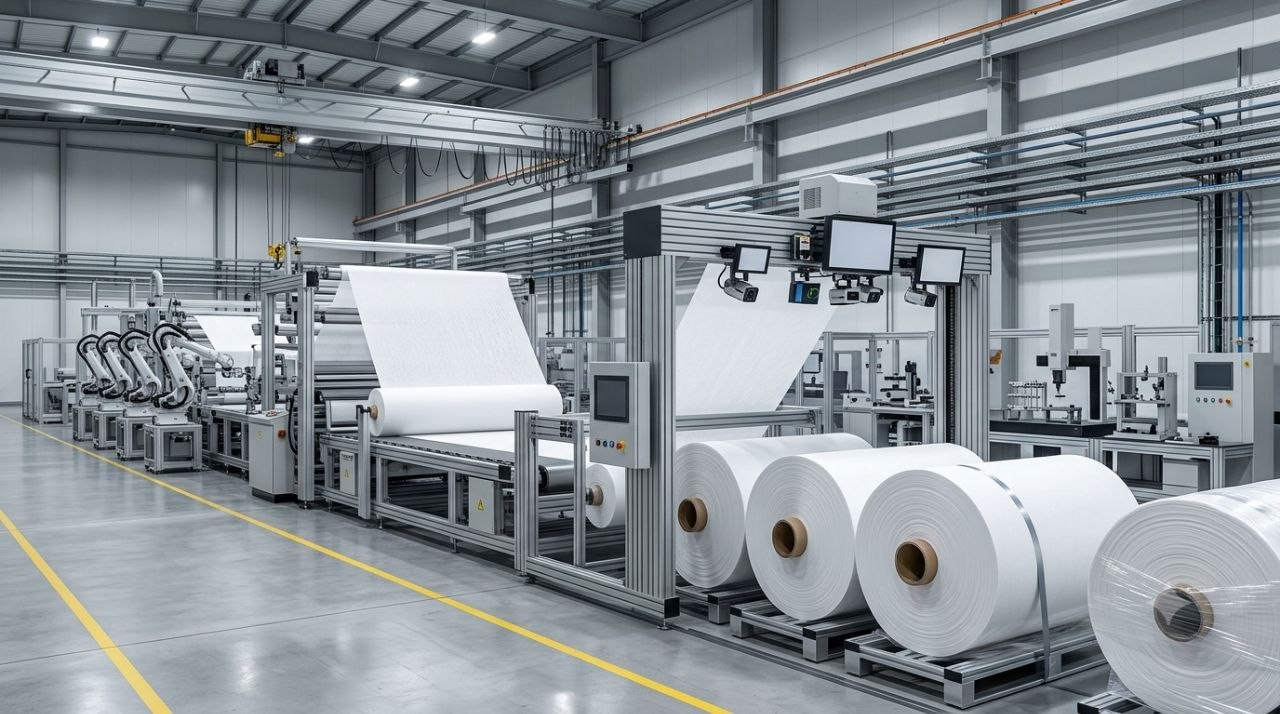
At Nasjiran, we manufacture premium Polypropylene Spunbond Fabric using carefully selected virgin polypropylene and modern spunbond production technology. Every production batch is monitored to ensure consistent GSM, excellent fibre distribution, high tensile strength, and reliable UV performance.
Our UV Stabilized Spunbond Fabric is available in various GSM options, colours, *Roll Width*, and *Roll Length* to meet the requirements of agriculture, packaging, furniture, hygiene, and industrial applications. We also provide customized specifications to satisfy different export market requirements.
Quality control is performed throughout every stage of production, from raw material inspection to the final product. This ensures excellent durability, dimensional accuracy, consistent fabric quality, and reliable outdoor performance.
As an experienced manufacturer and exporter, Nasjiran is committed to providing high-quality nonwoven solutions, competitive pricing, flexible production, and professional technical support. Whether you need Agricultural Spunbond Fabric, Spunbond Fabric for Shopping Bags, or other outdoor nonwoven materials, we deliver products designed for long-term performance and customer satisfaction.
Frequently Asked Questions (FAQ)
### 1. What is UV Stabilized Spunbond Fabric?
UV Stabilized Spunbond Fabric is a polypropylene nonwoven fabric that contains special ultraviolet stabilizers to protect the material from degradation caused by prolonged exposure to sunlight. It is widely used in agriculture, construction, landscaping, and other outdoor applications where durability is essential.
### 2. How long does UV Stabilized Spunbond Fabric last outdoors?
The lifespan depends on the quality of the raw materials, the type and concentration of UV stabilizers, weather conditions, and the intensity of sunlight. High-quality *UV Stabilized Spunbond Fabric* can provide reliable outdoor performance for months or even several years when manufactured for the intended application.
### 3. What is the difference between standard and UV stabilized spunbond fabric?
Standard *Polypropylene Spunbond Fabric* is suitable for indoor or short-term applications, while *UV Stabilized Spunbond Fabric* is specifically designed to resist ultraviolet radiation, helping it maintain strength, flexibility, and durability during long-term outdoor exposure.
### 4. Which industries commonly use UV Stabilized Spunbond Fabric?
The material is widely used for *Agricultural Spunbond Fabric*, crop covers, greenhouse protection, landscaping, construction site protection, reusable shopping bags, industrial packaging, and many other outdoor applications.
### 5. Does UV stabilization affect the strength of spunbond fabric?
UV stabilizers do not directly increase the mechanical strength of the fabric. Instead, they help preserve the original tensile strength and flexibility by protecting the polypropylene fibres from ultraviolet degradation over time.
### 6. Can UV Stabilized Spunbond Fabric be customized?
Yes. Manufacturers can produce *UV Stabilized Spunbond Fabric* in different GSM values, colours, *Roll Width*, *Roll Length*, and UV protection levels to meet specific customer and industry requirements.
Conclusion
Choosing the right *UV Stabilized Spunbond Fabric* is essential for any outdoor application where durability, reliability, and long-term performance are required. By incorporating high-quality UV stabilizers into *Polypropylene Spunbond Fabric*, manufacturers can significantly reduce the harmful effects of sunlight, helping the material maintain its strength, flexibility, and appearance throughout its service life.
From *Agricultural Spunbond Fabric* and greenhouse covers to landscaping, construction, and industrial packaging, UV-stabilized nonwoven fabric provides a cost-effective solution for environments exposed to continuous sunlight. Selecting the correct GSM, UV protection level, *Roll Width*, and *Roll Length* ensures the material performs efficiently while reducing replacement costs over time.
When sourcing UV-resistant nonwoven materials, working with an experienced manufacturer is equally important. Consistent production quality, premium raw materials, and reliable technical support all contribute to better product performance and long-term value.
If you are looking for high-quality *UV Stabilized Spunbond Fabric* manufactured to international standards, *Nasjiran* offers reliable nonwoven solutions tailored to meet the requirements of customers across agriculture, industry, packaging, and export markets.
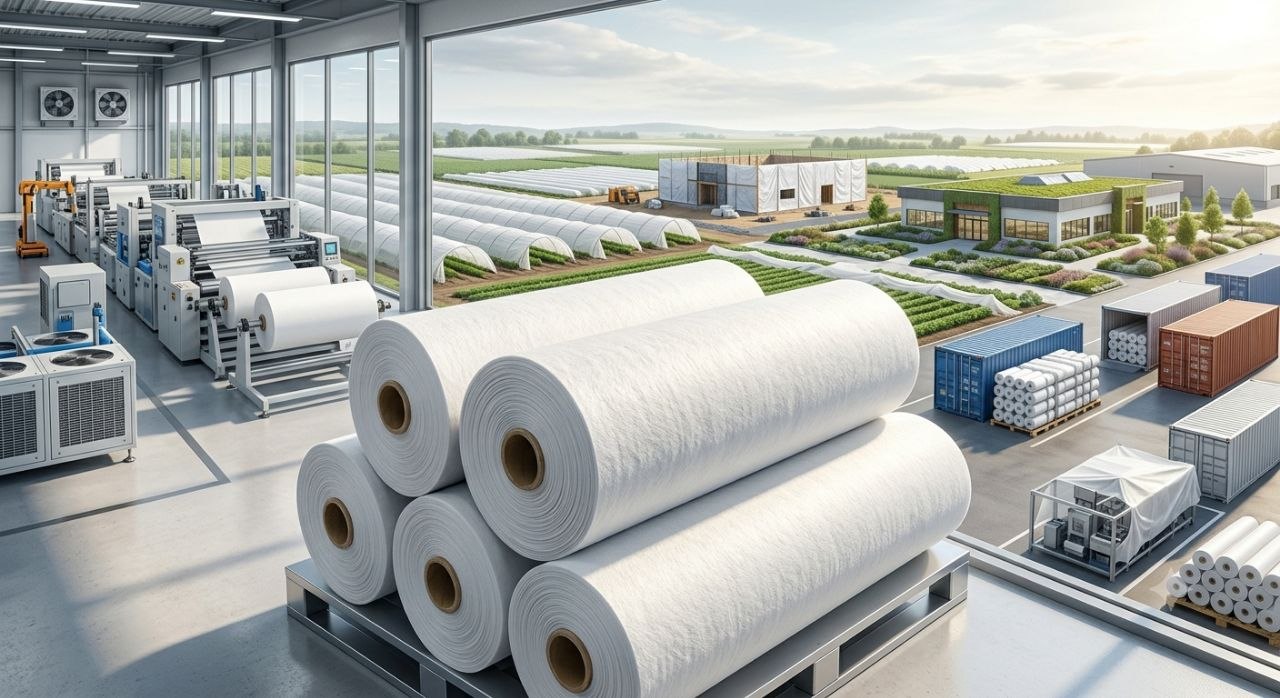
Selecting the right Agricultural Spunbond Fabric requires more than simply choosing a fabric with the lowest price. Crop type, climate conditions, cultivation method, expected service life, and material quality all play a critical role in achieving reliable field performance.
The first factor to evaluate is the GSM (Grams per Square Meter). Lightweight fabrics are ideal for floating row covers and seed germination, while medium and heavier grades are better suited for long-term crop protection, greenhouse cultivation, and weed control. Choosing an unsuitable GSM may reduce plant protection or increase production costs unnecessarily.
The second consideration is UV Stabilization. Agricultural fabrics remain under direct sunlight for extended periods, making UV resistance essential. High-quality UV-stabilized fabrics retain their strength, flexibility, and protective performance throughout the growing season, reducing the need for frequent replacement.
Raw material quality is equally important. Fabrics manufactured from Virgin Polypropylene (PP) provide better tensile strength, fibre uniformity, and long-term durability than products made with low-quality recycled materials. Consistent raw materials also improve fabric appearance and overall performance.
Growers should also consider Roll Width and Roll Length according to their cultivation system and installation equipment. Selecting the correct dimensions reduces material waste, shortens installation time, and improves operational efficiency.
Another important factor is selecting a supplier with proven manufacturing expertise. A reliable producer should offer consistent quality control, custom GSM options, UV stabilization levels, multiple roll widths, and technical support for different agricultural applications.
By carefully evaluating these factors, growers and distributors can choose Agricultural Spunbond Fabric that delivers reliable crop protection, longer service life, and greater return on investment.
| Selection Factor | Why It Matters |
|---|---|
| GSM | Determines protection level and durability |
| UV Stabilization | Extends outdoor service life |
| Virgin PP Quality | Improves strength and consistency |
| Roll Width & Length | Reduces waste and installation time |
| Tensile Strength | Better resistance to tearing |
| Breathability | Supports healthy crop growth |
| Reliable Manufacturer | Ensures consistent quality and supply |